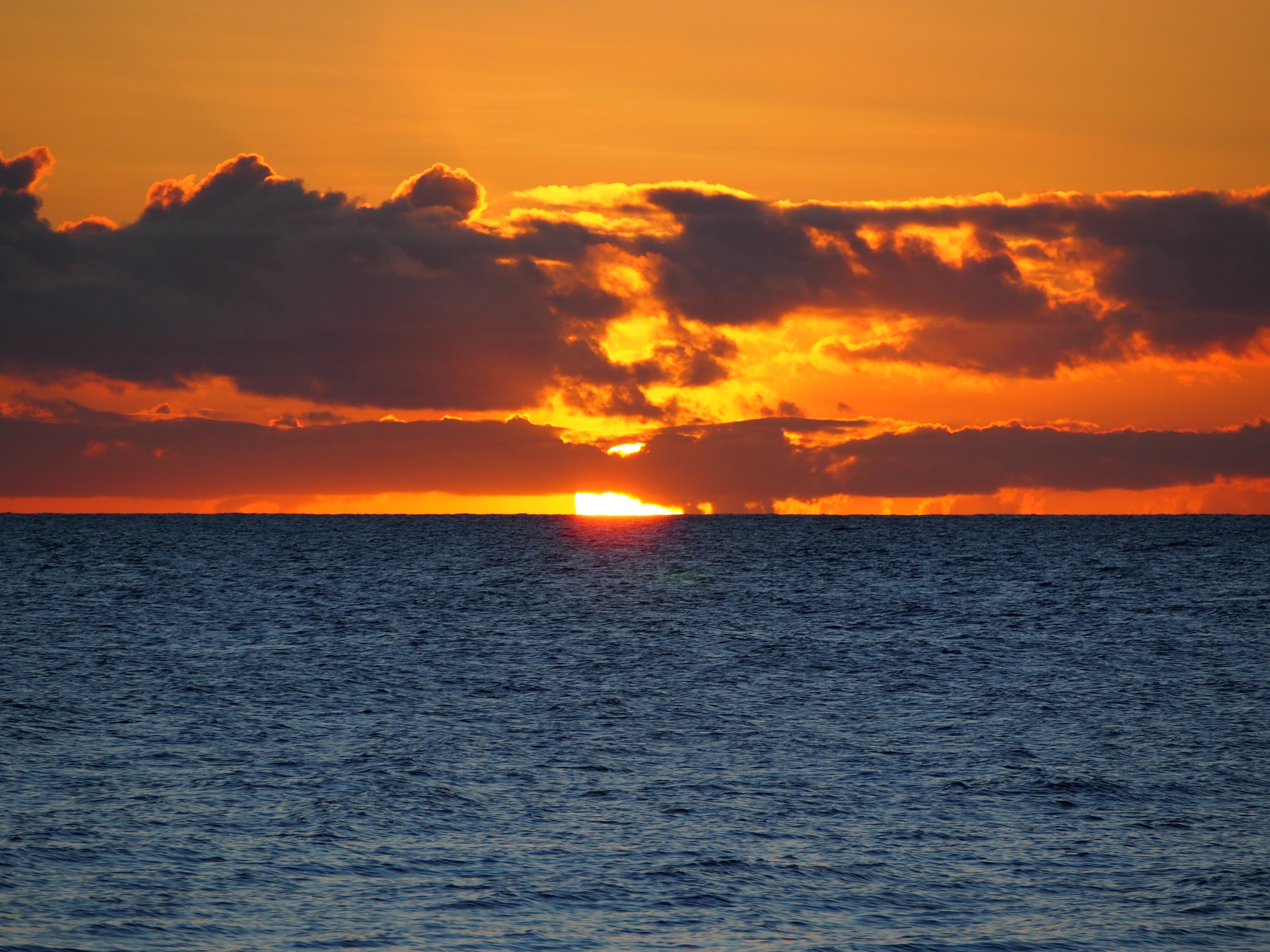
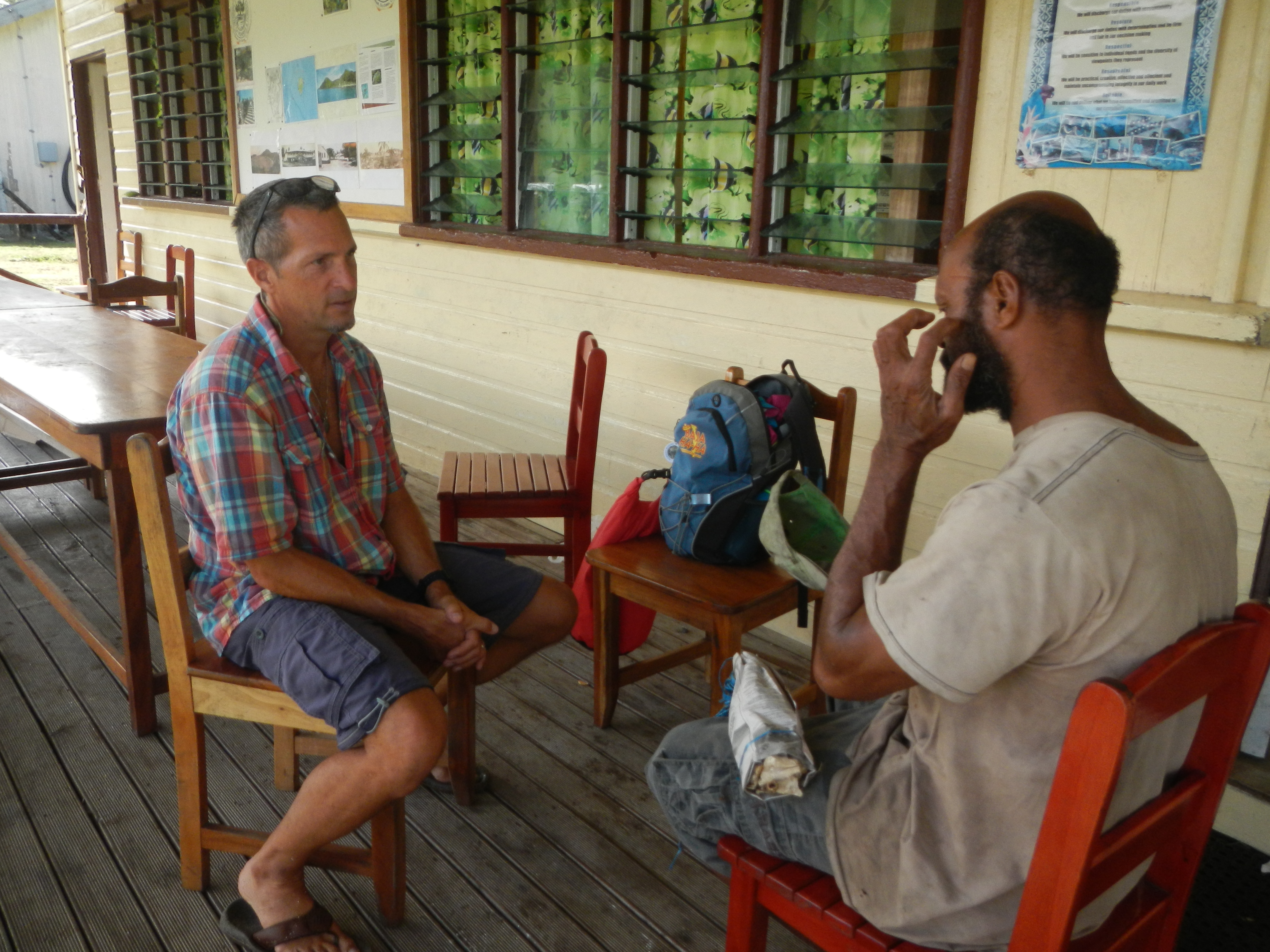
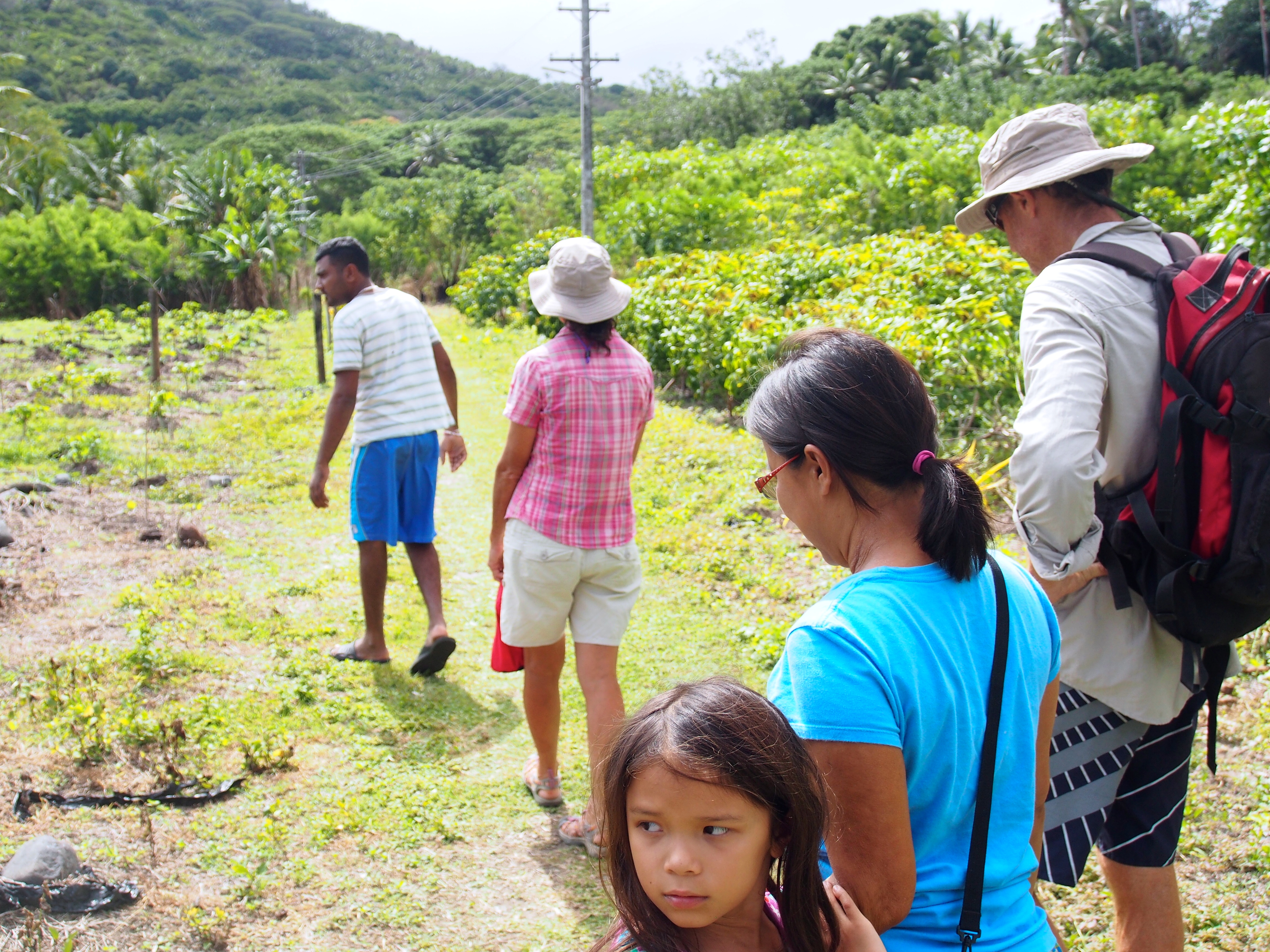
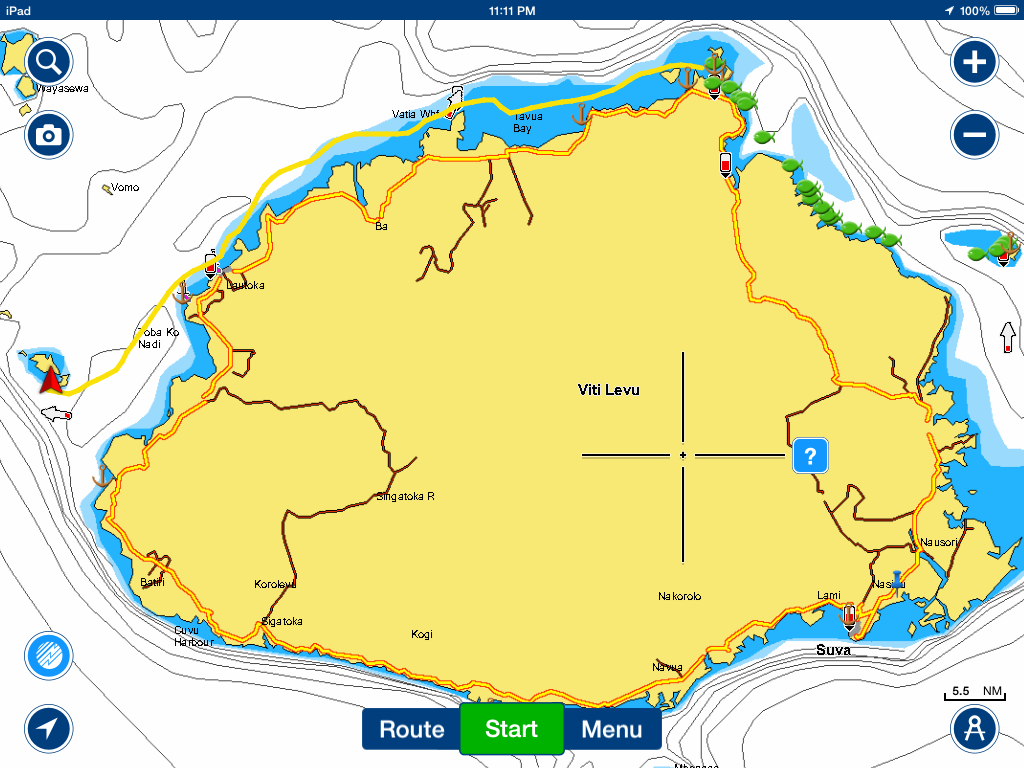
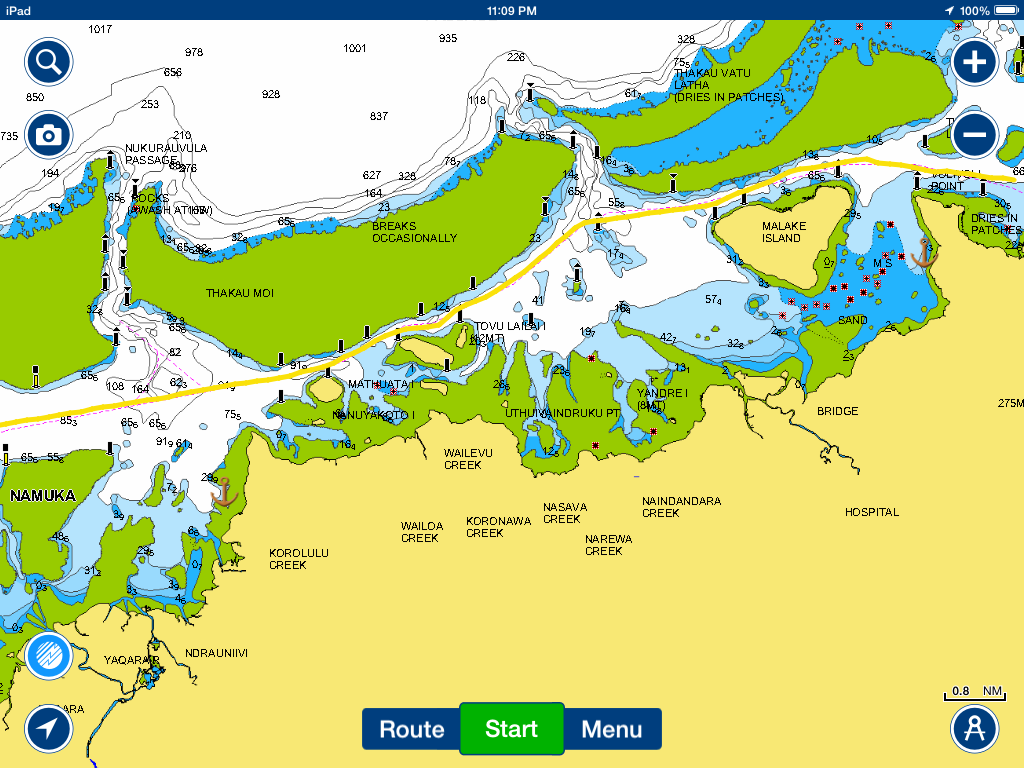
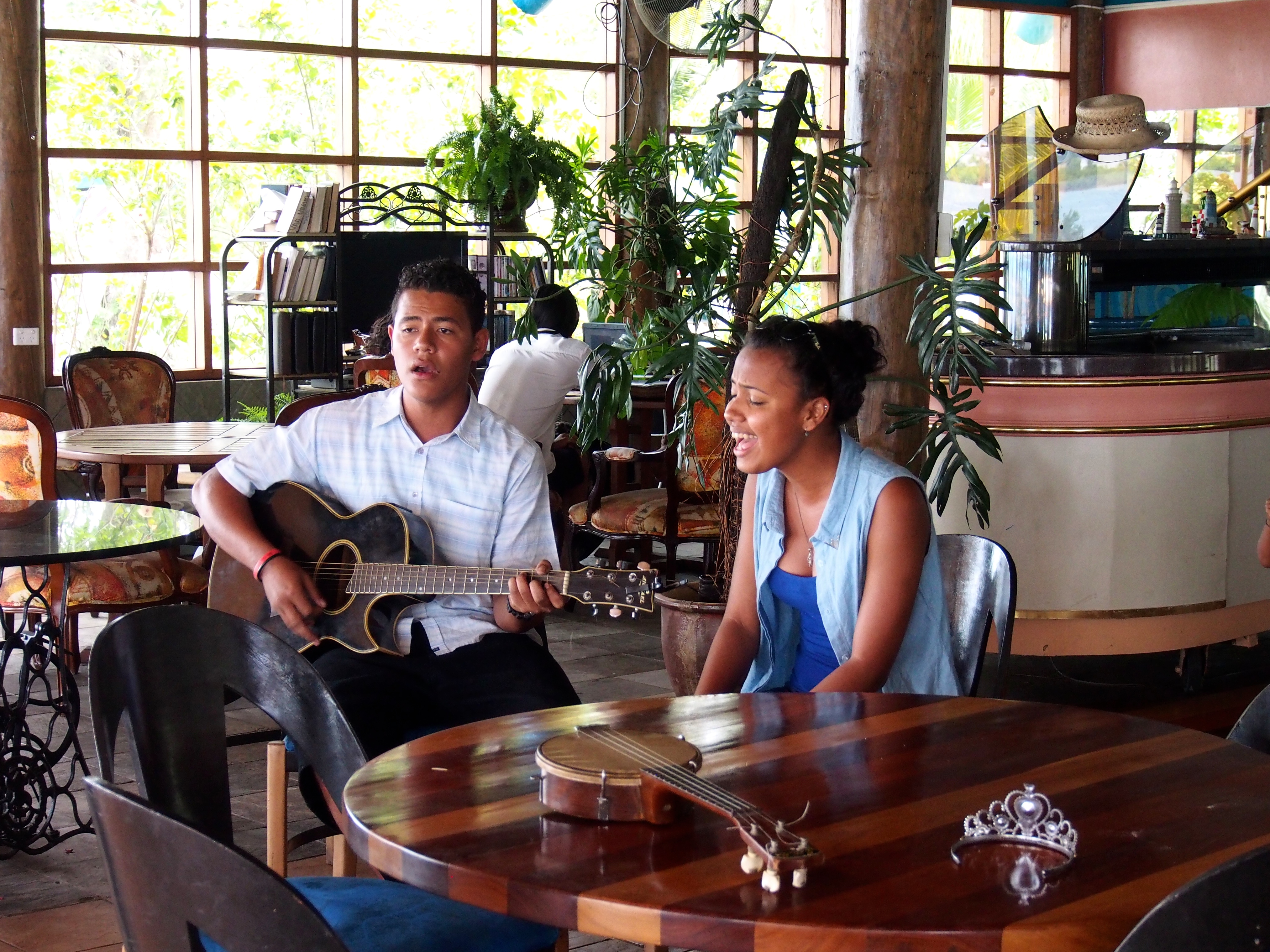
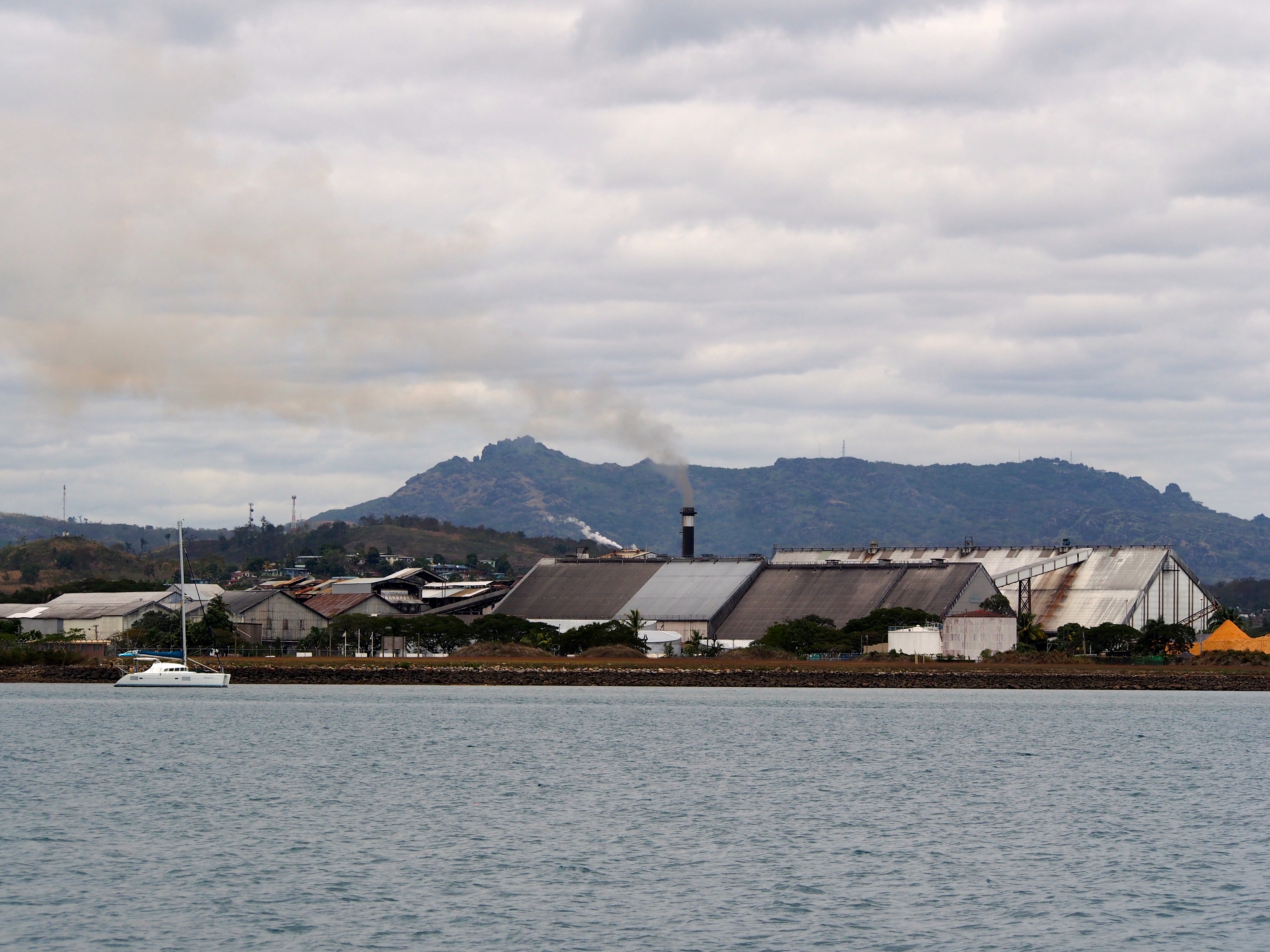
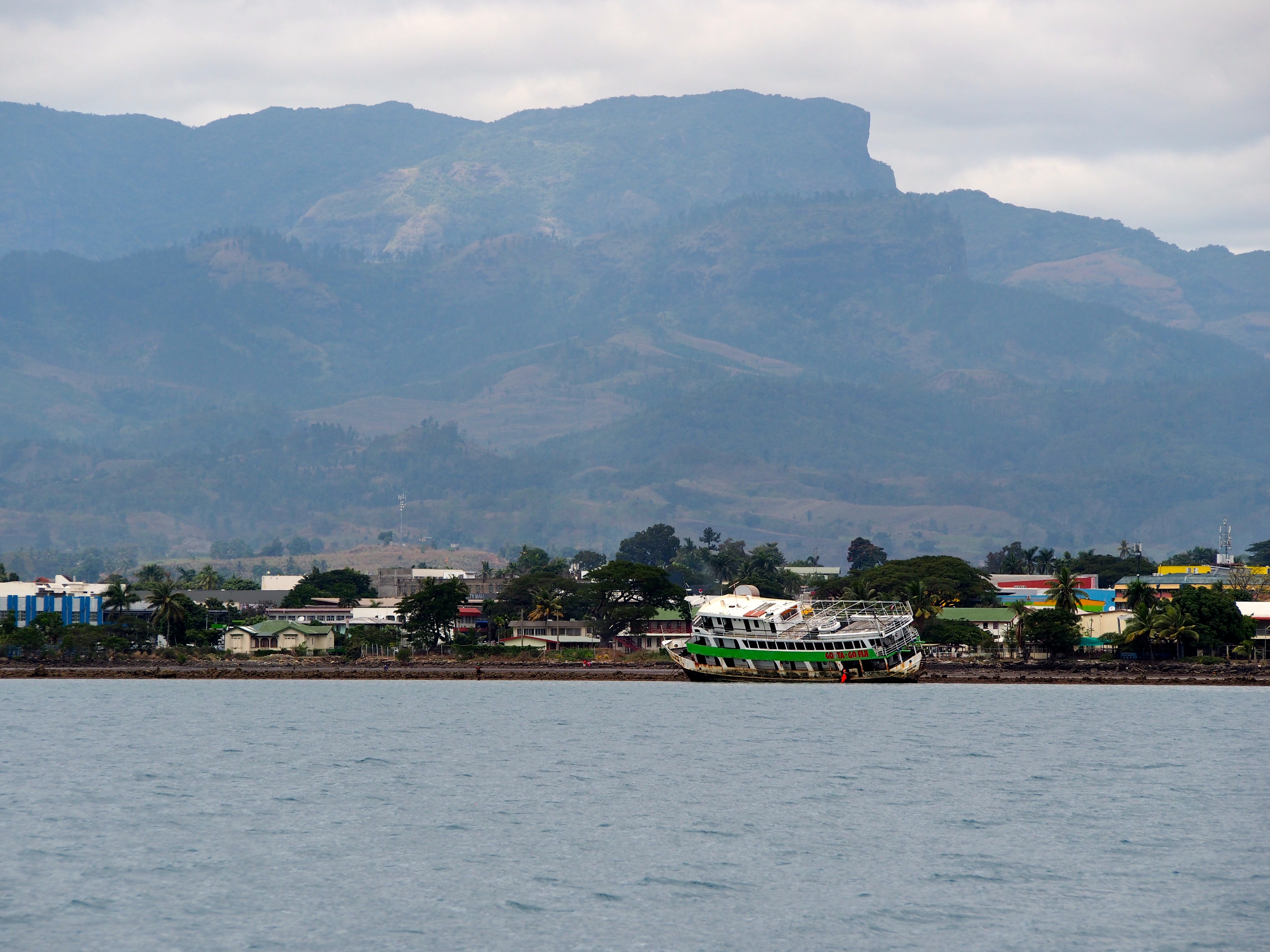
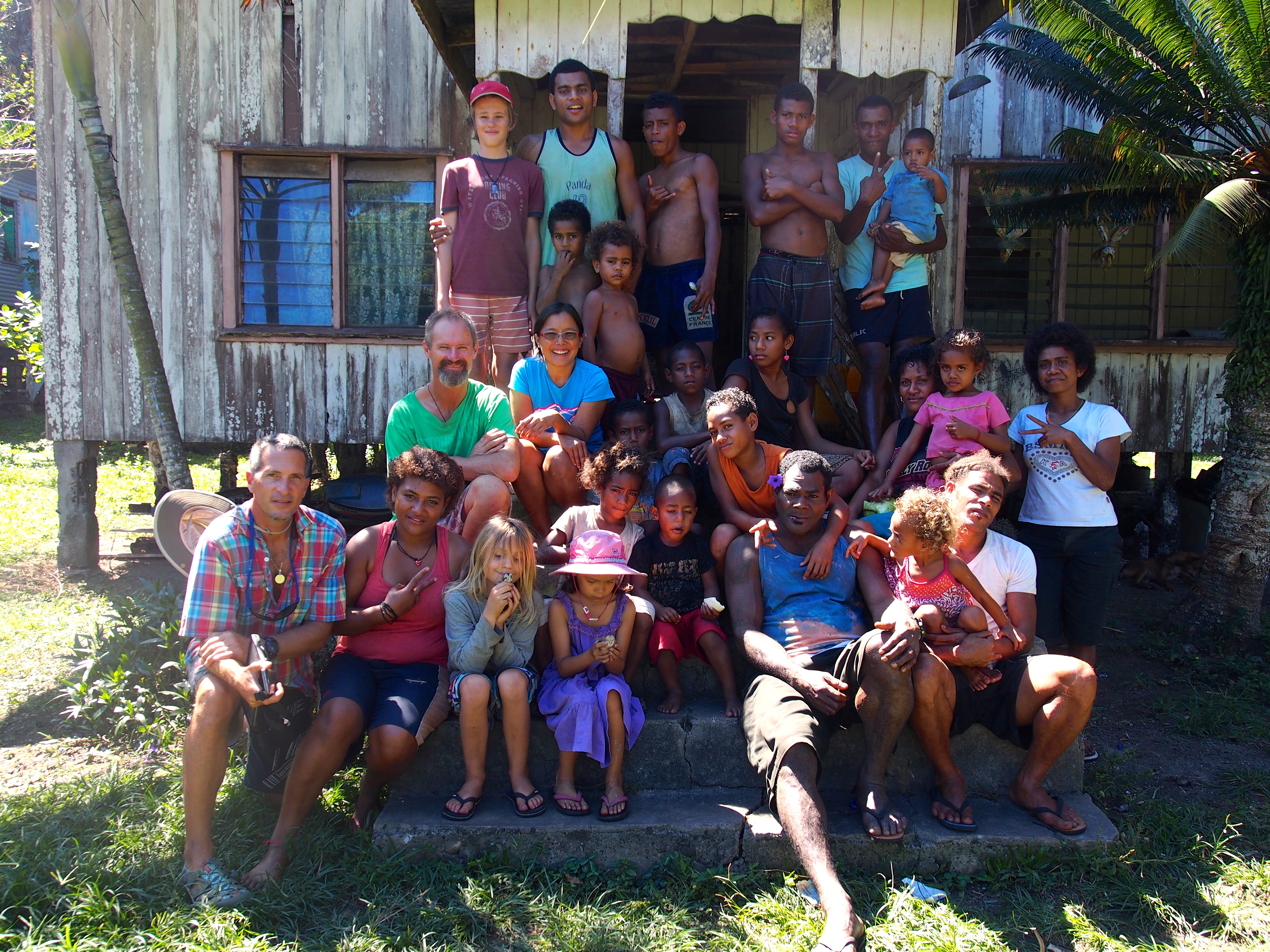
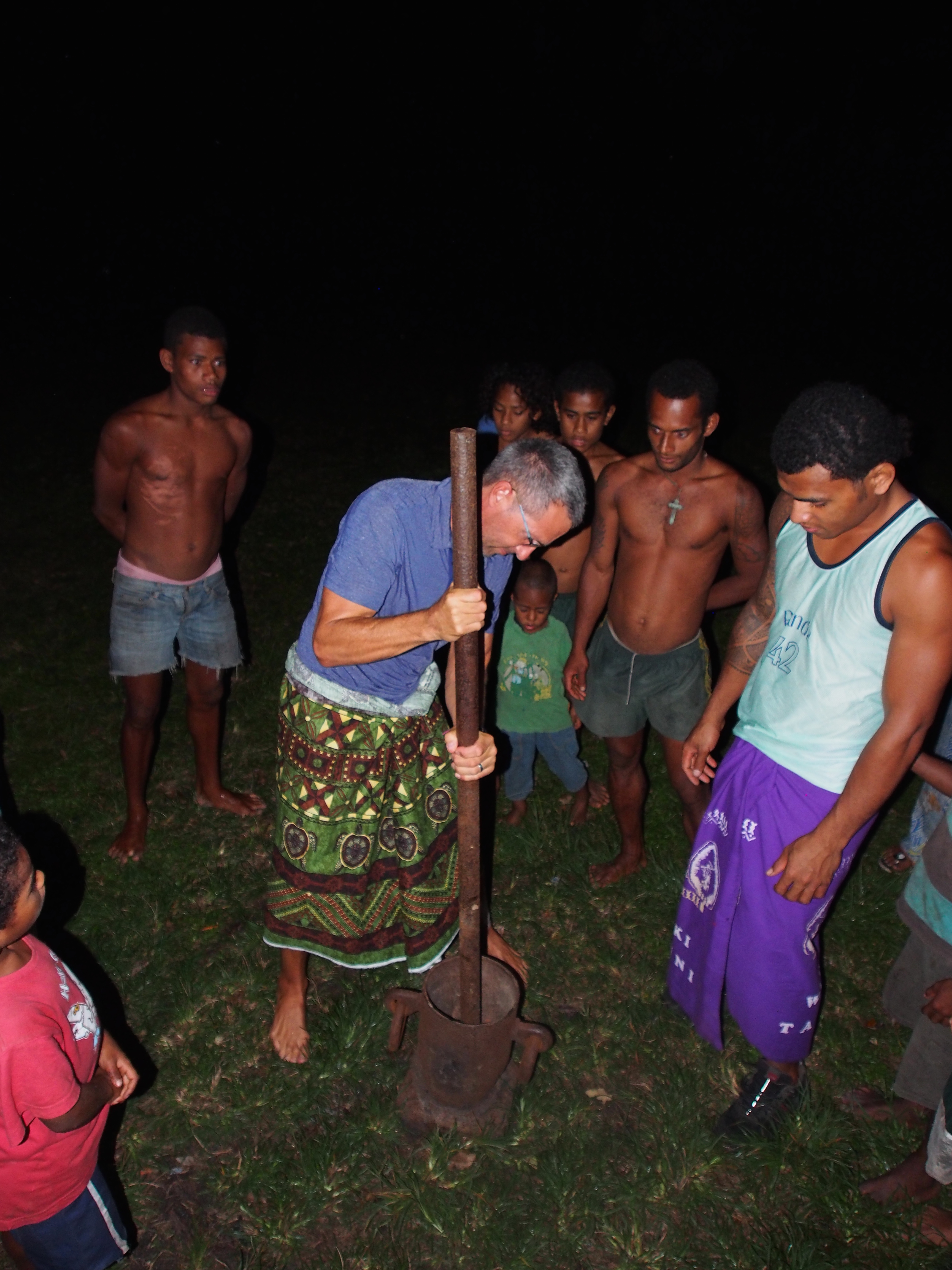
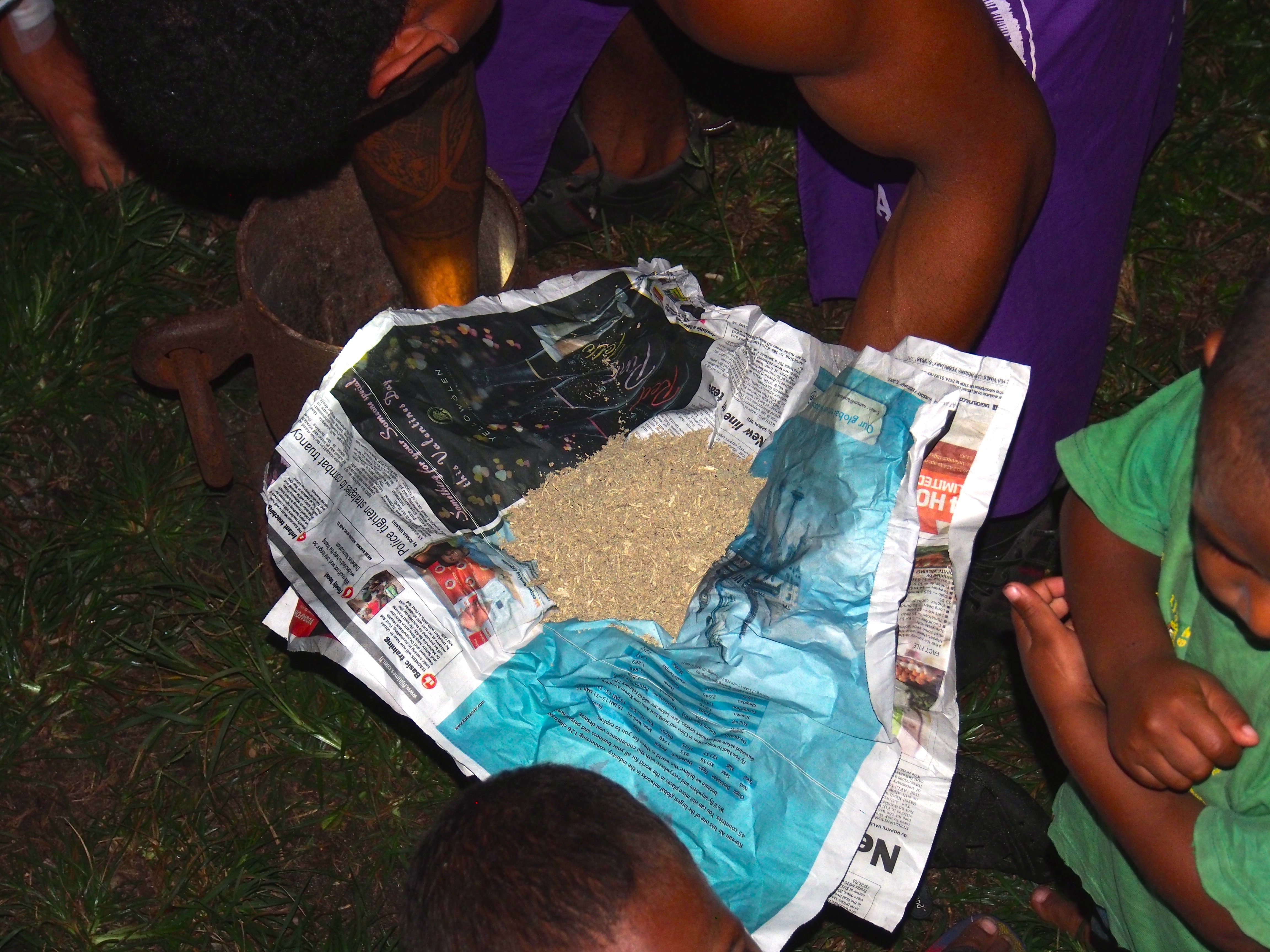
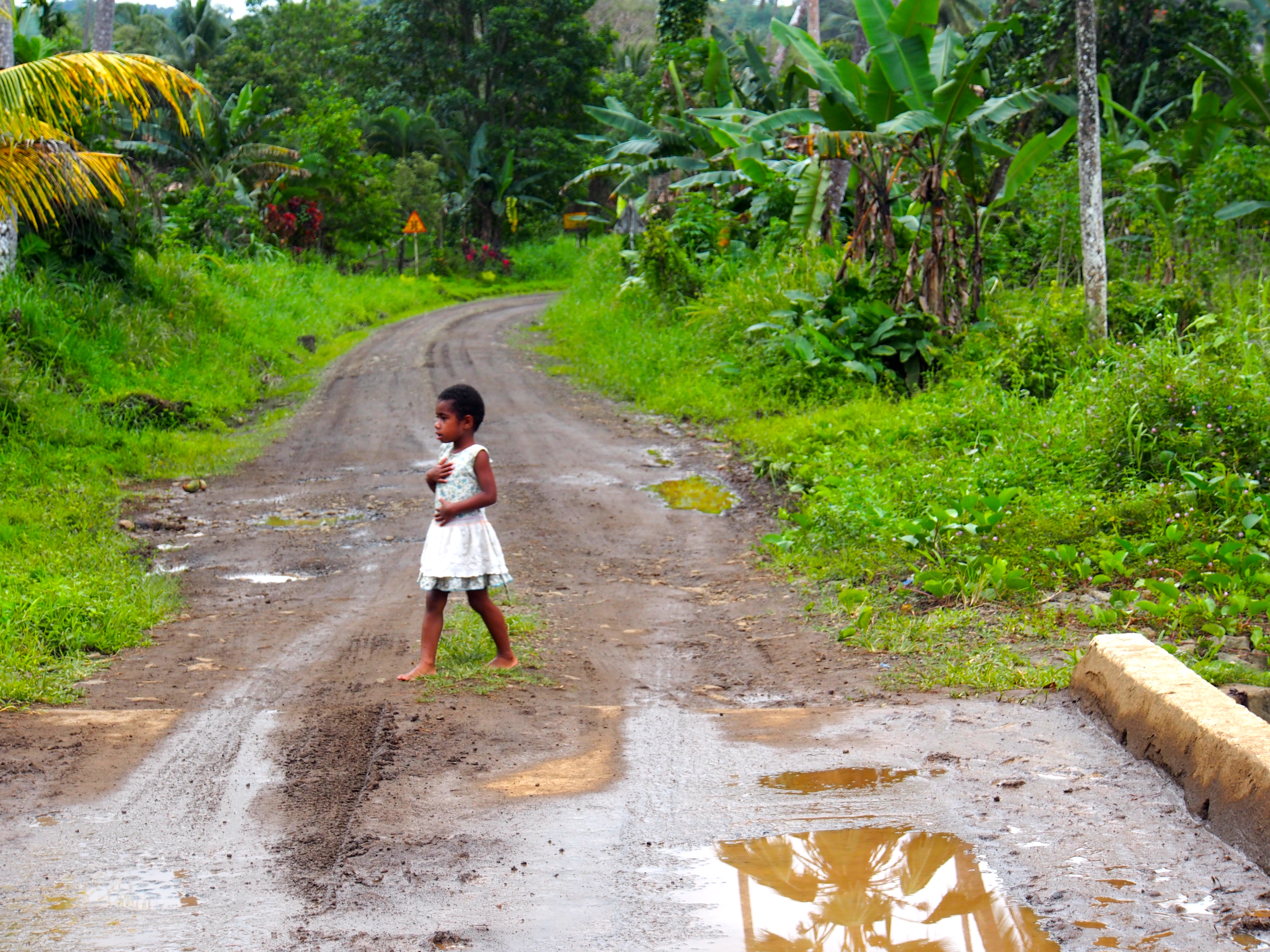
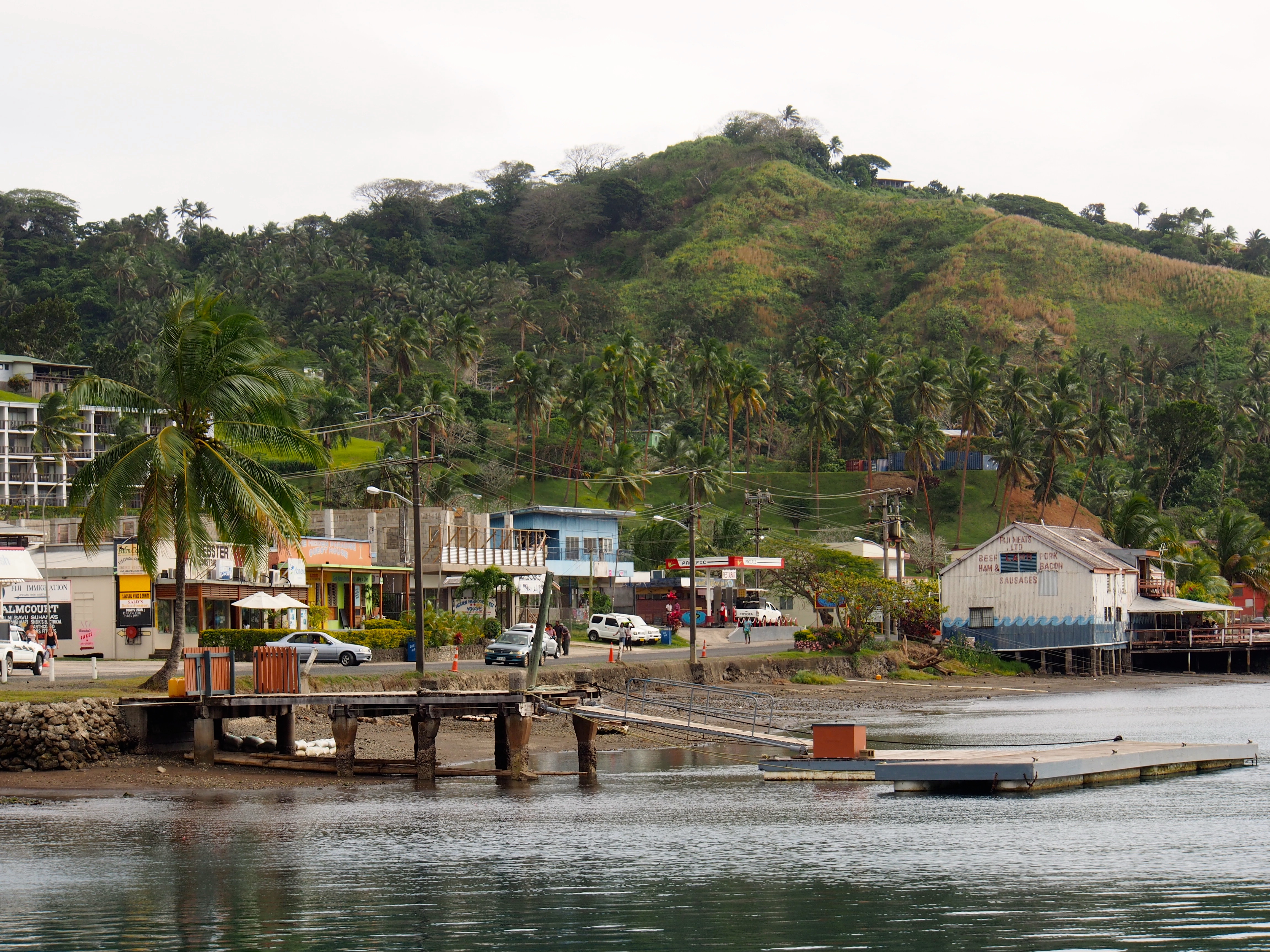
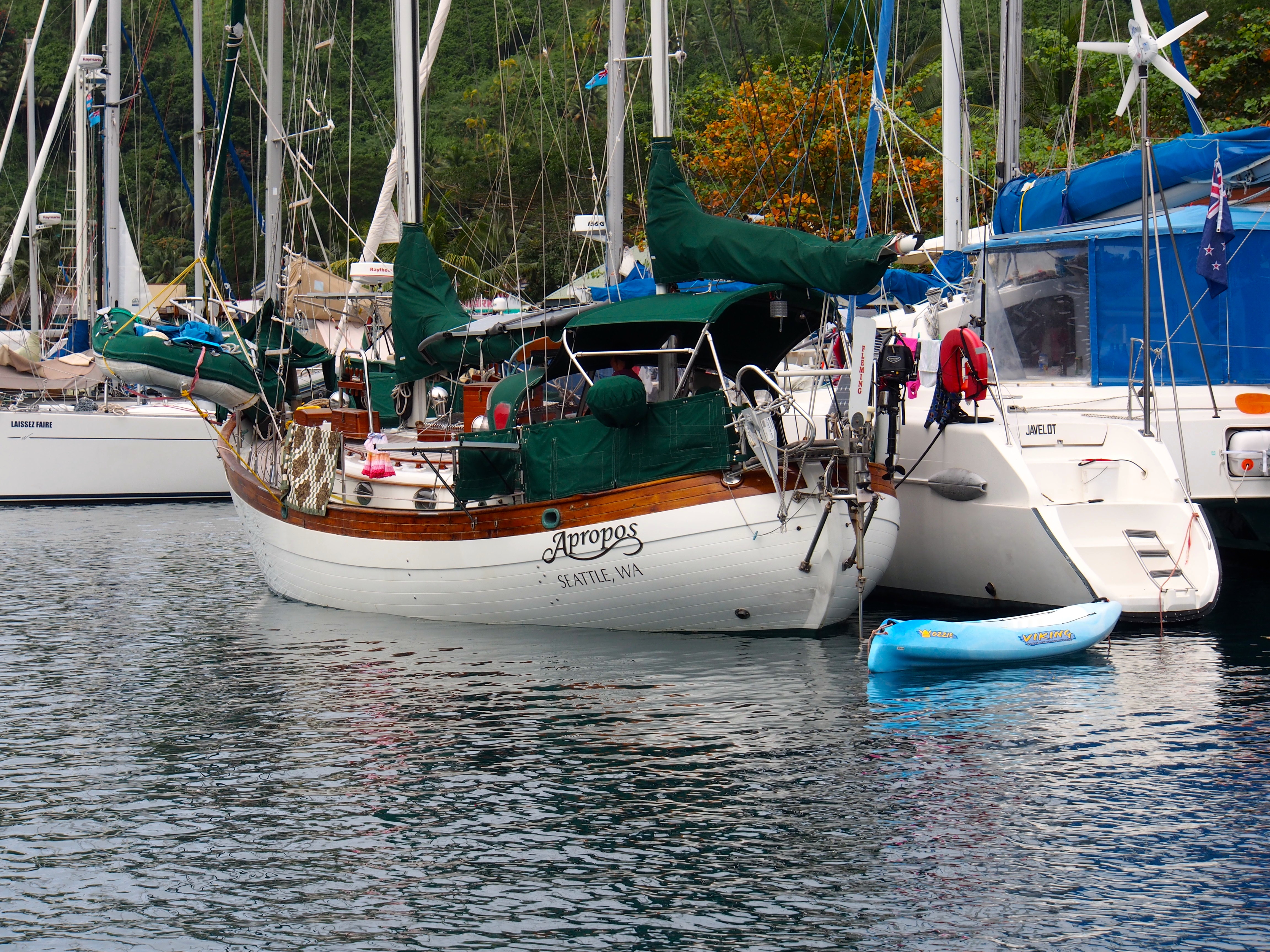
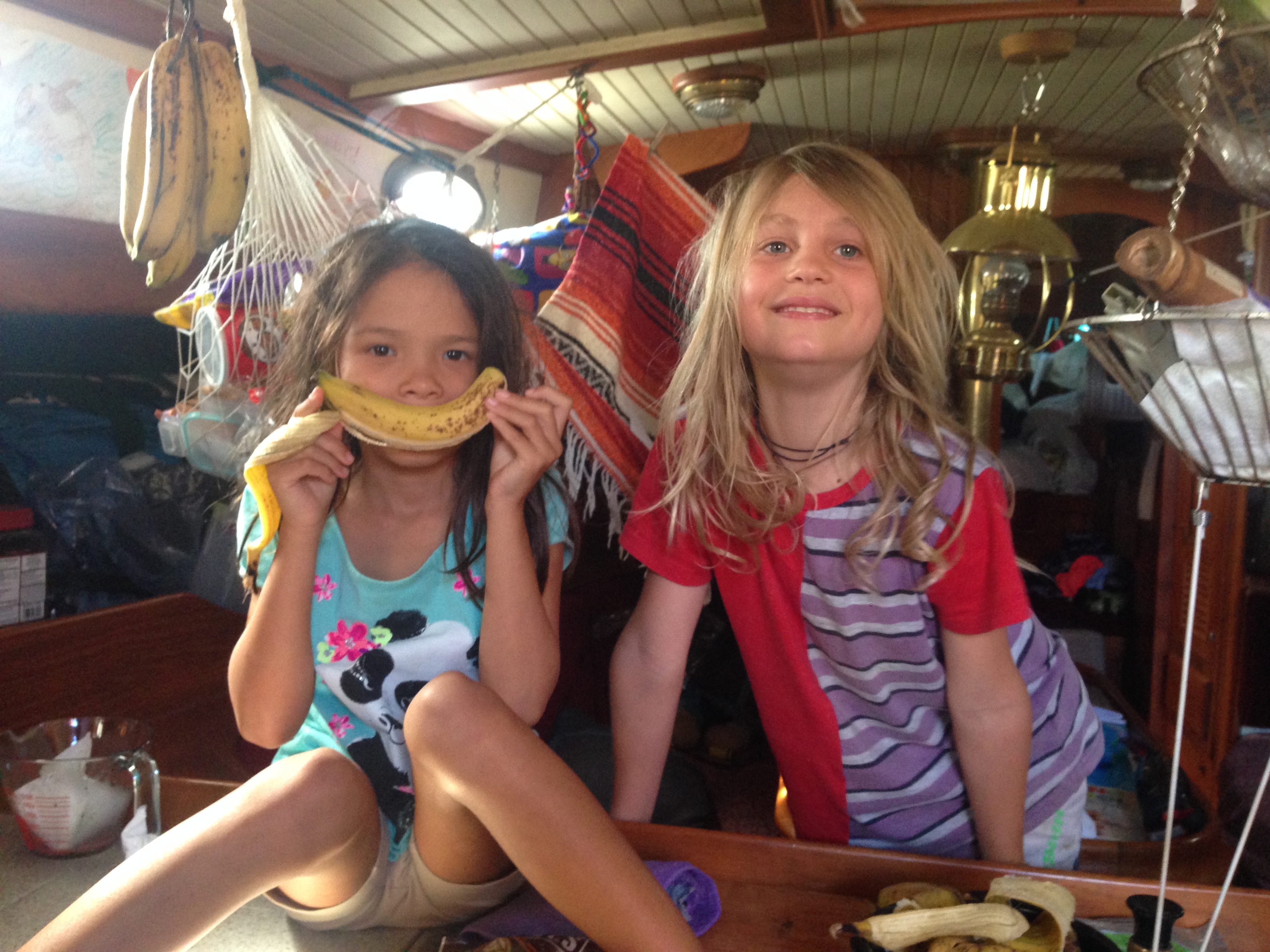
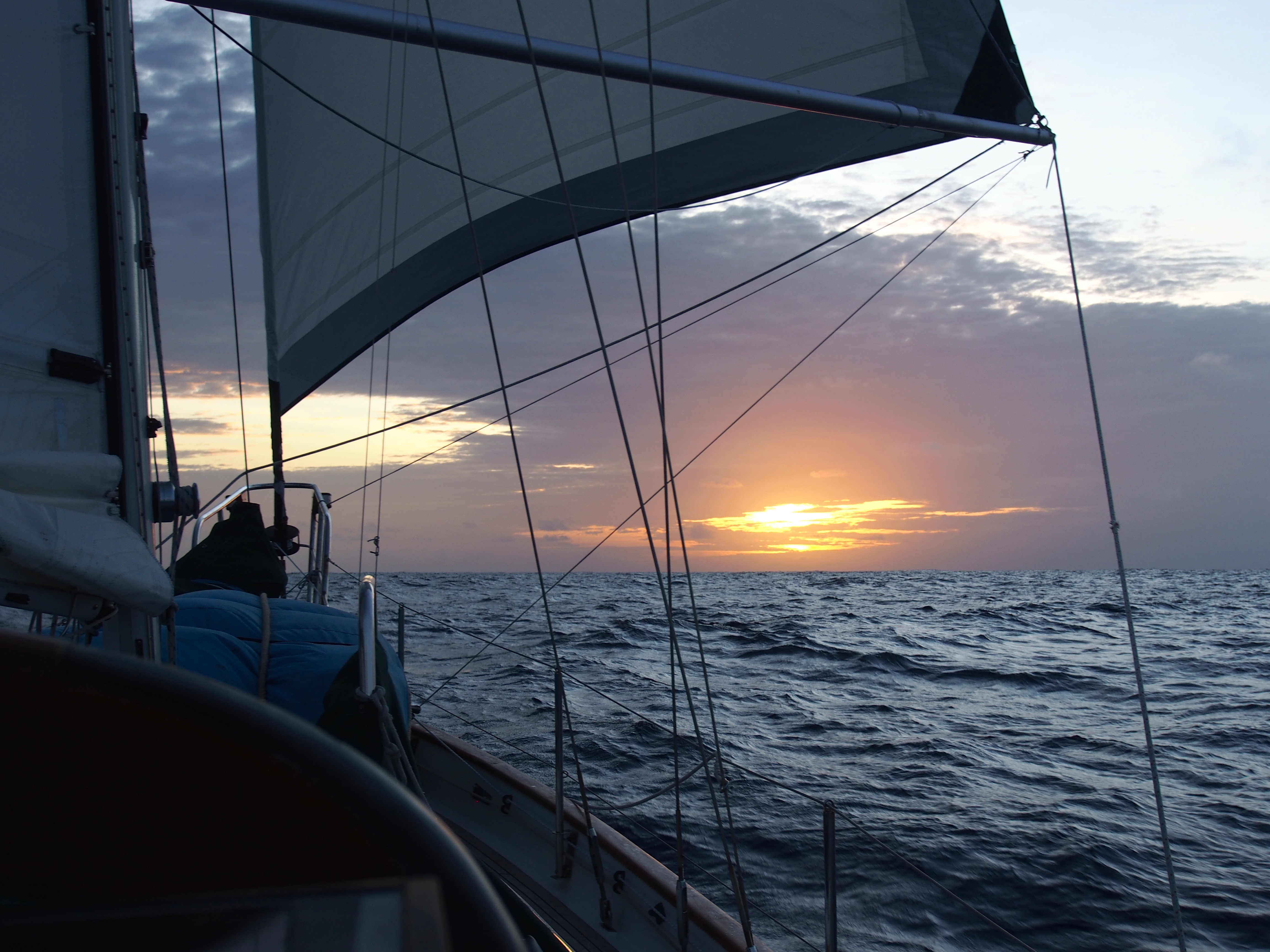
We arrived in Savusavu after a fast 3-1/2 day passage from Tonga. The town is a custom’s check-in point and will be our home for a few days. Since all the mooring buoys were occupied, customs allowed us to raft up to SV Javelot who was tied to the custom’s dock–perfect! The dock is alongside the Copra Shed Marina so hot showers and a good restaurant were within sight of our boat. After processing immigration and agriculture forms and getting the boat interior fumigated since we sailed from Tonga, we walked to town to get some Fijian currency and groceries. The local market was bustling with activity and we picked up some coconuts, veggies, and the all-important kava, which is needed to present to chiefs when you visit small villages.
Savusavu, FijiRafted up to Javelot at the Copra Shed Marina
Some activities that occupied our time over our 4-day stay in Savusave:
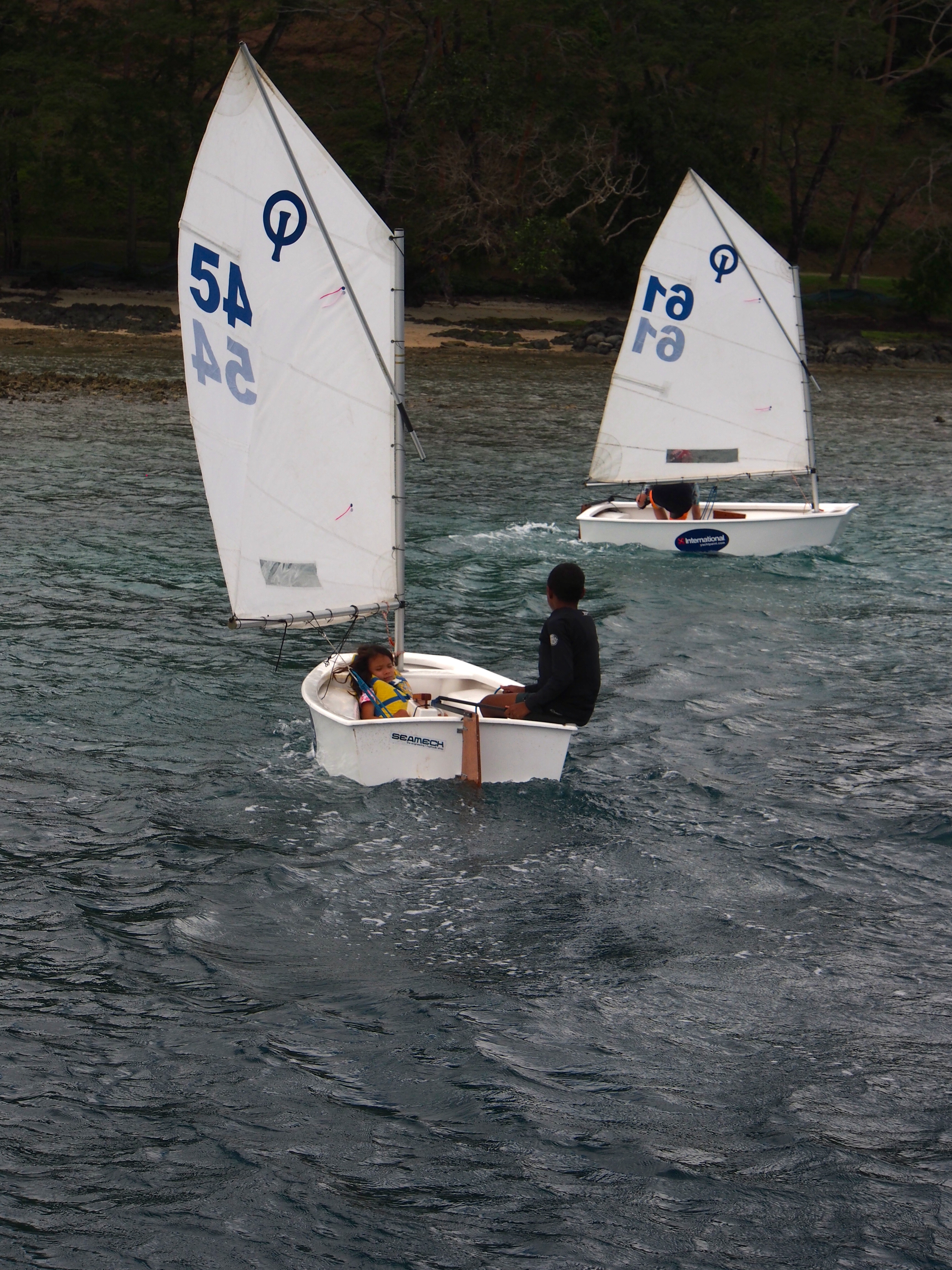
Dinghy Sailing
Jacintha joined a youth sailing club for a few hours of Optimist sailing in the bay. The wind picked up when it was her turn to sail so she was mainly used for ballast while the boat was sailed by a more experienced local boy.
Sailing Opti’s
Misc. Boat Things
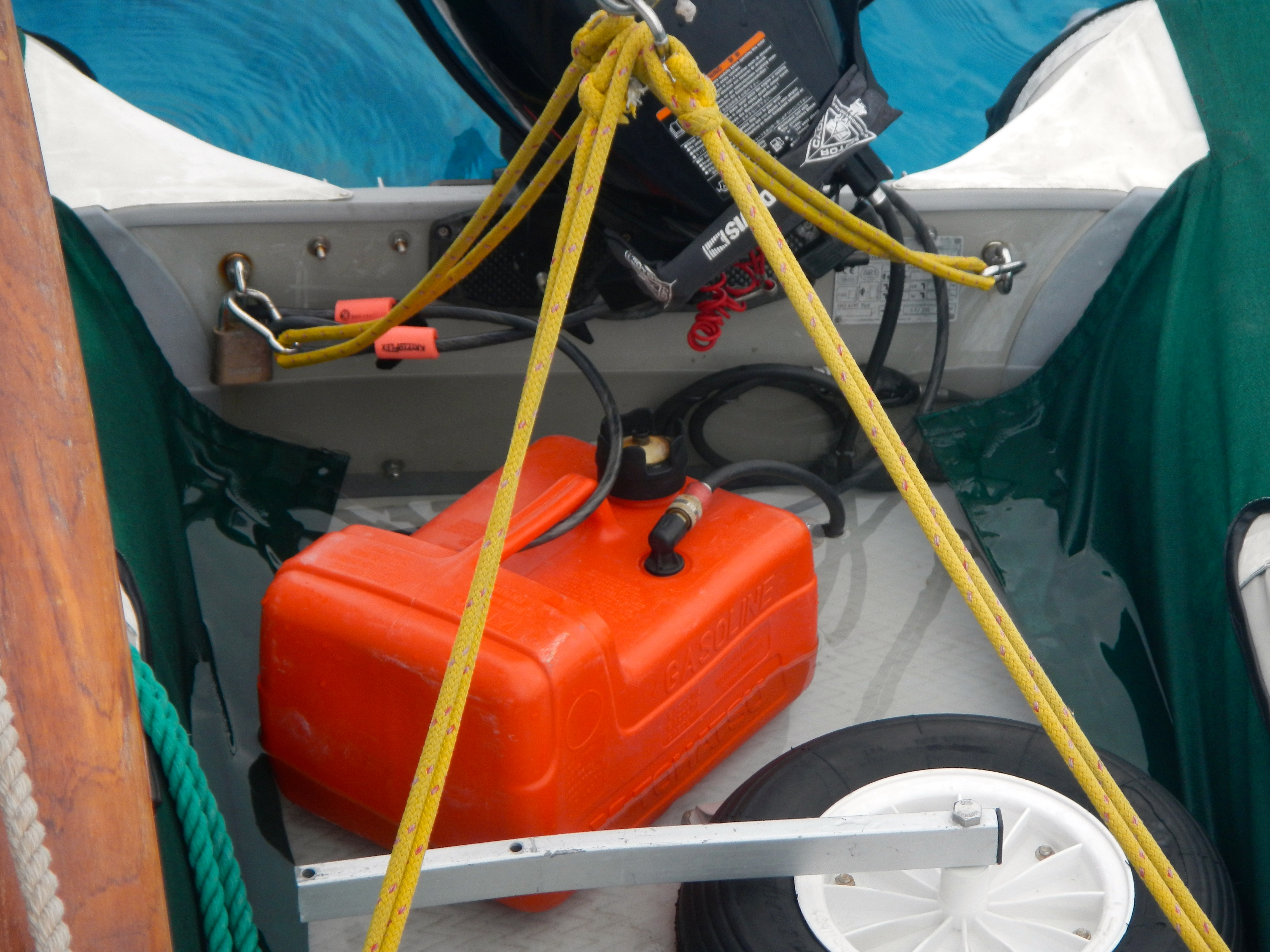
We had a few repairs to make after our last passage. Ian, our self steering wind vane, chafed through his control line early in the morning on our last day of passage, so that needed replacing. Our Honda generator got drenched with seawater from a wave and stopped working, but fortunately started right up after drying out. Some of the ratlines needed re-tied as they were sliding down the stays. We ran out of propane in our main tank during our stay in Tonga, so switched over to our smaller reserve bottle. We re-filled the main bottle with butane since they don’t use propane here. We were also running low on gas (petrol) used for the dinghy and generator. A good washdown of the boat removed the thick coating of salt from the rough passage.
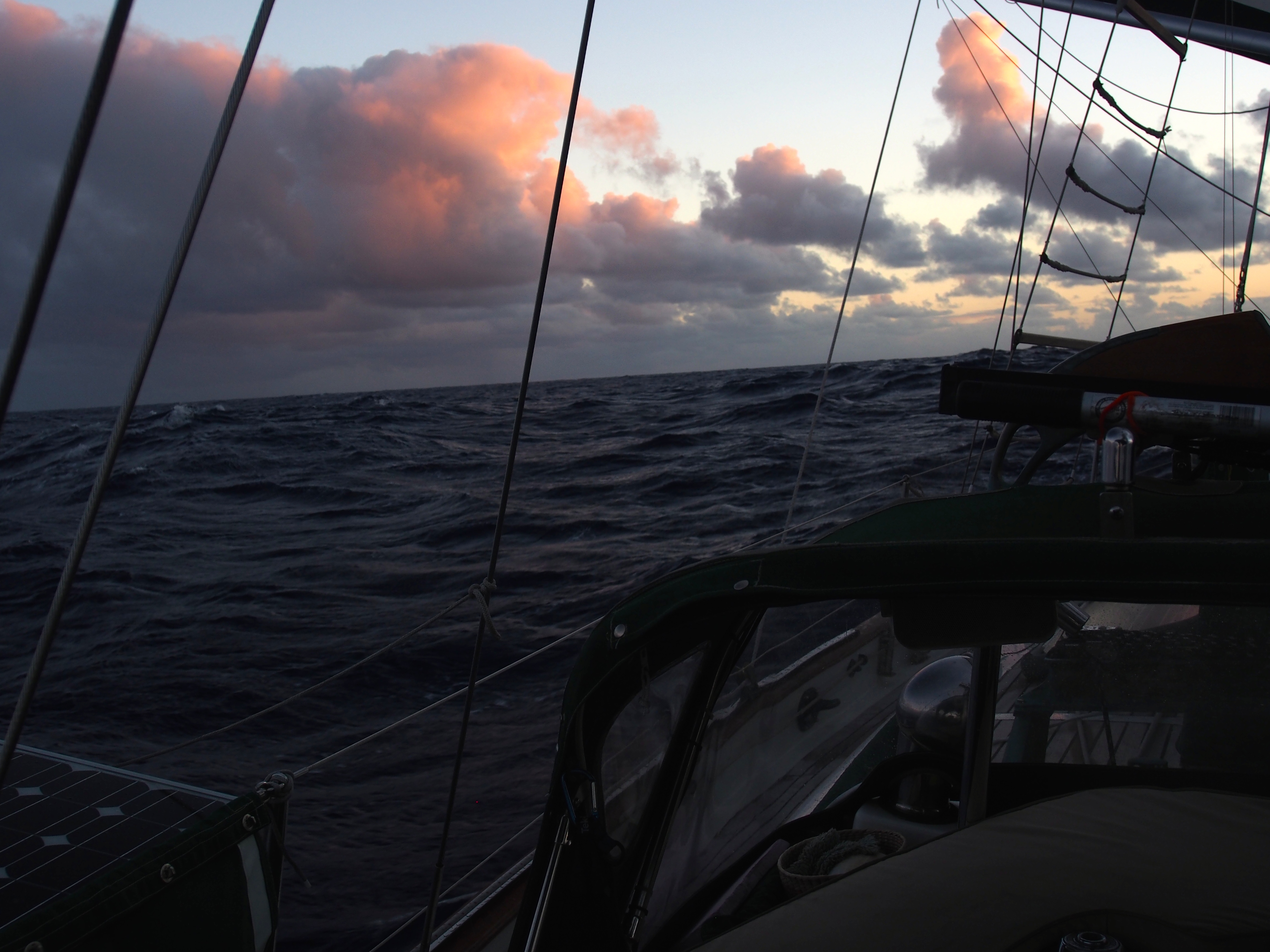
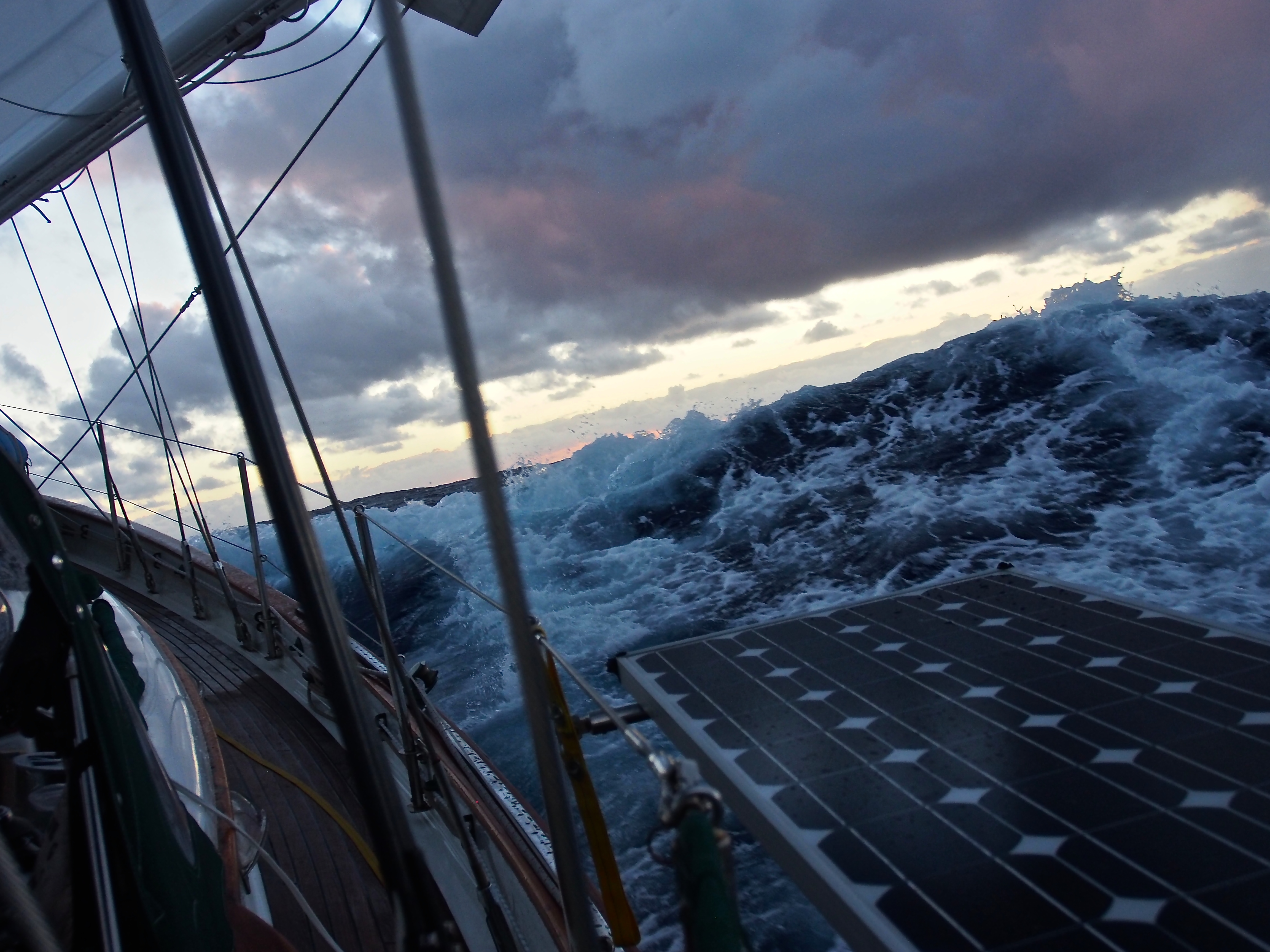
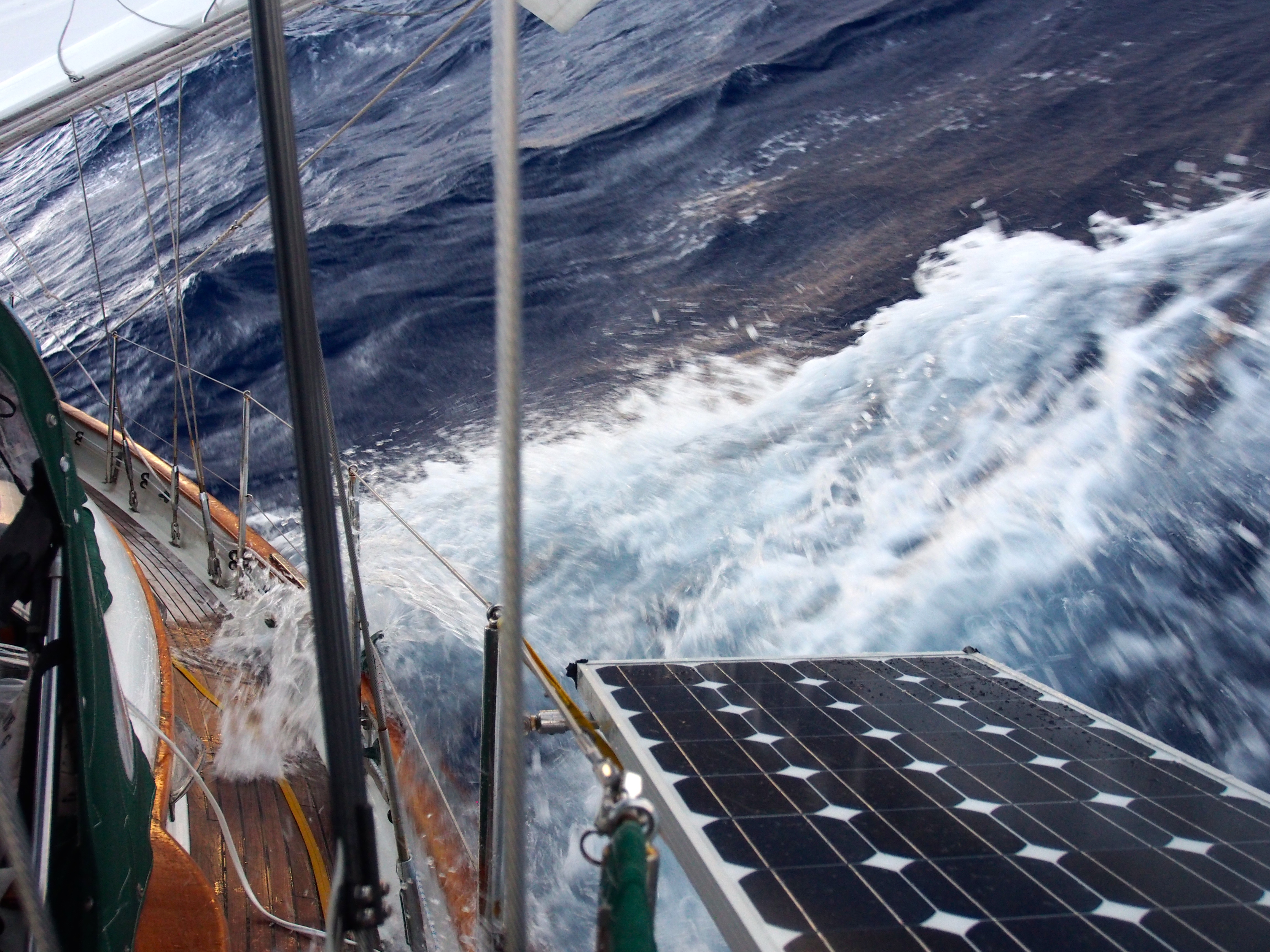
We departed on Monday at 6pm, 15 minutes behind SV Javalot and SV Fanny Fisher and motored out into the evening sky which was cloudy. Motor sailed for about 2 hours and since there was enough wind we hoisted the mainsail and genoa. We have been sailing ever since with 15-25 knot winds on a beam reach. The seas have not been very rough but every now and then a wave would come out of nowhere and splash into the cockpit. Jim got soaked thrice on his watches! You could hear the wave break, the splash of water and the swearing that came after. One wave broke into the cockpit while the generator was running to charge our depleted batteries. It wouldn’t run after that so it’s another thing we’ll have to fix in Fiji. The cushions in the cockpit are soaked with salt water, the footwell has an inch of water in it as it doesn’t drain well when we’re heeling and the driest place to sit is the top of the stairs of the hatch, not too safe when you’re half asleep.
Our bed got wet as we left the window in the foot well open. So Jacintha and I can sleep sideways in it but Jim has to sleep on the sofa in the living room. We’re all tired and cranky and I’m tired of having wet feet!
We’re approaching the first reef system in Fiji in the Lau group and we have to turn north and head to Suva Suva where we’ll check in.
The clouds have disappeared and the sun has risen and it looks like a sunny day so hopefully we’ll be able to dry out a little. But after having a lovely rain wash the boat out with fresh water everything is salty again and with the sun little salt crystals will form all over the boat – I should start my own Pacific sea salt farm!
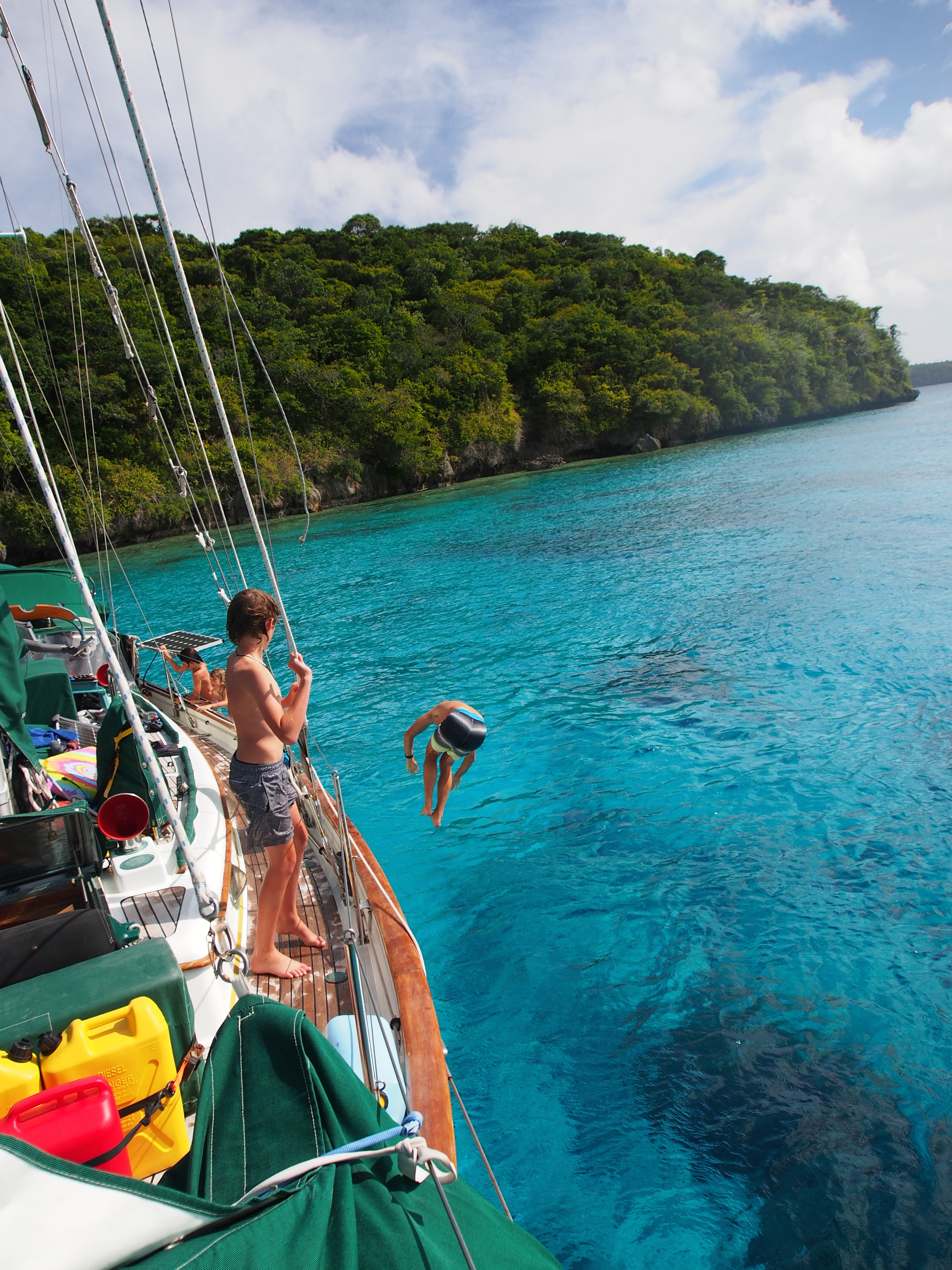
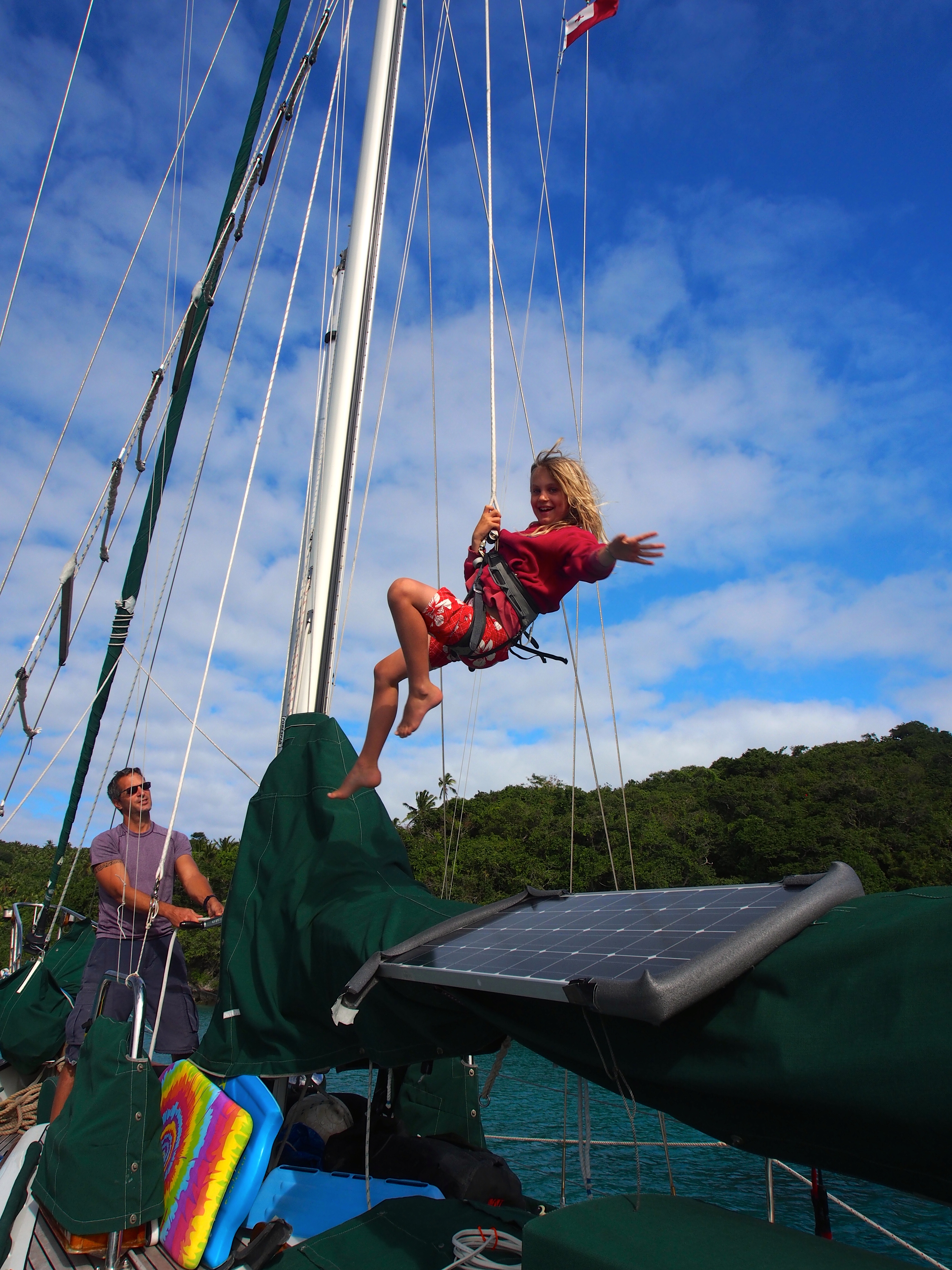
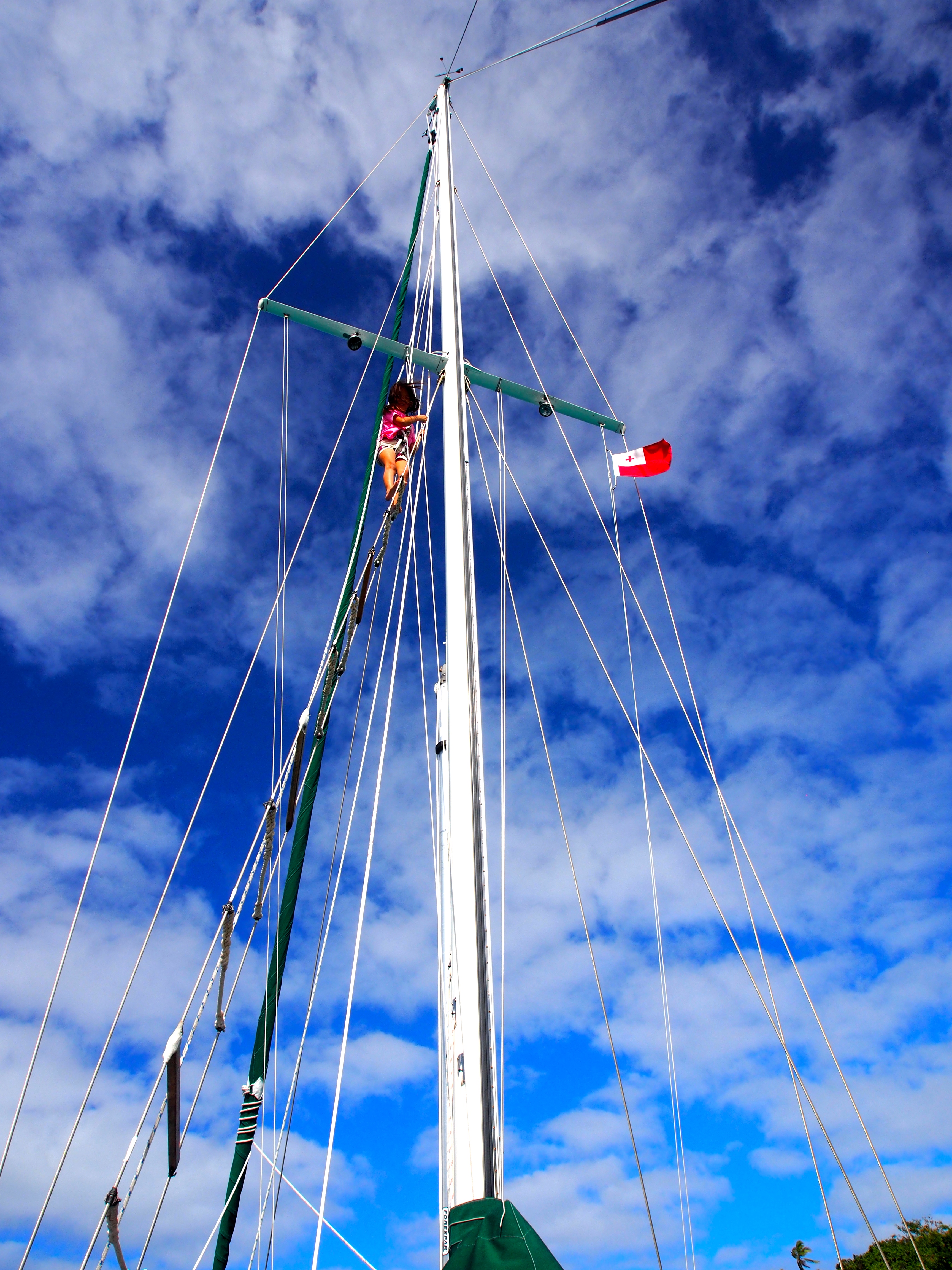
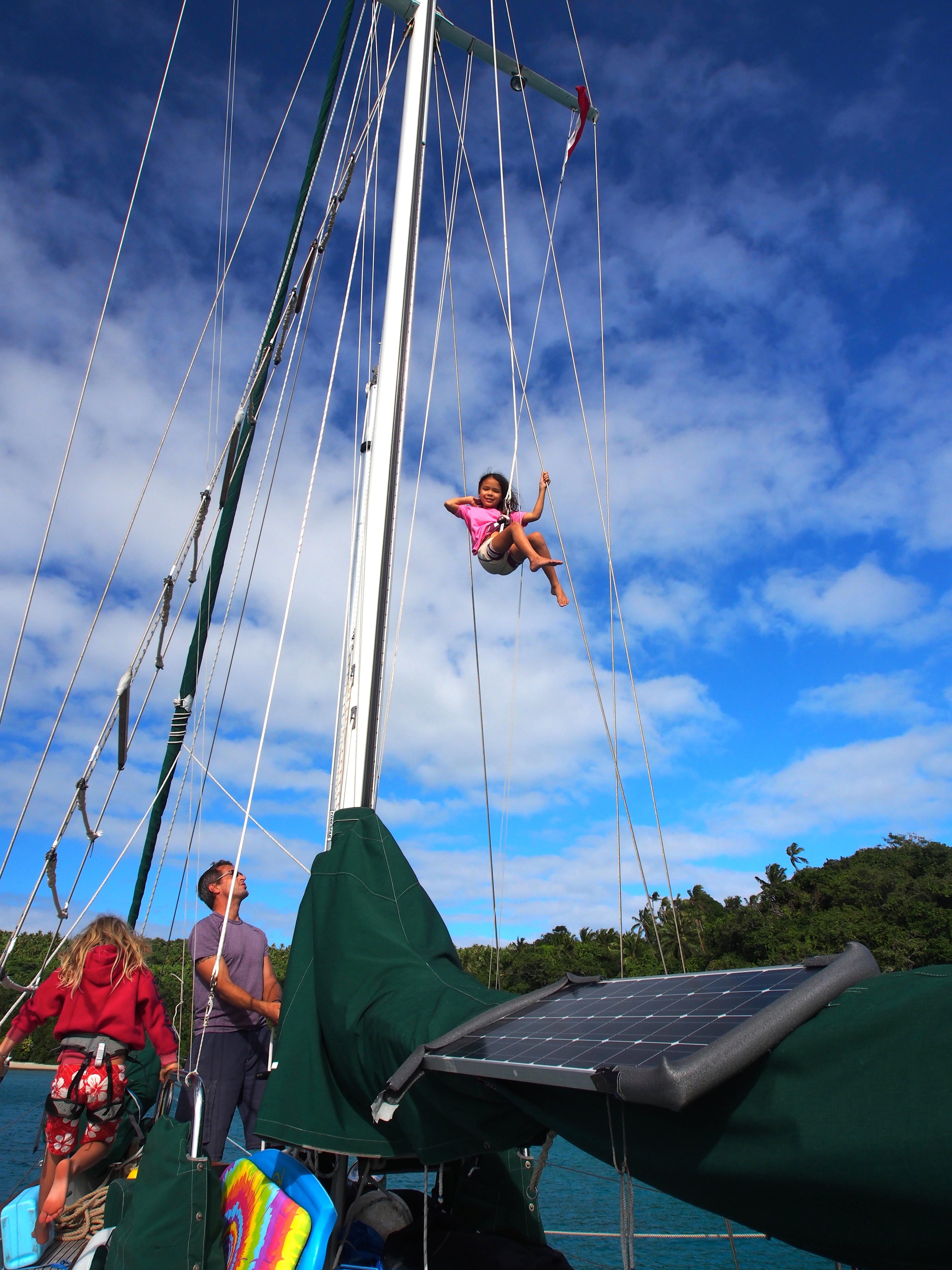
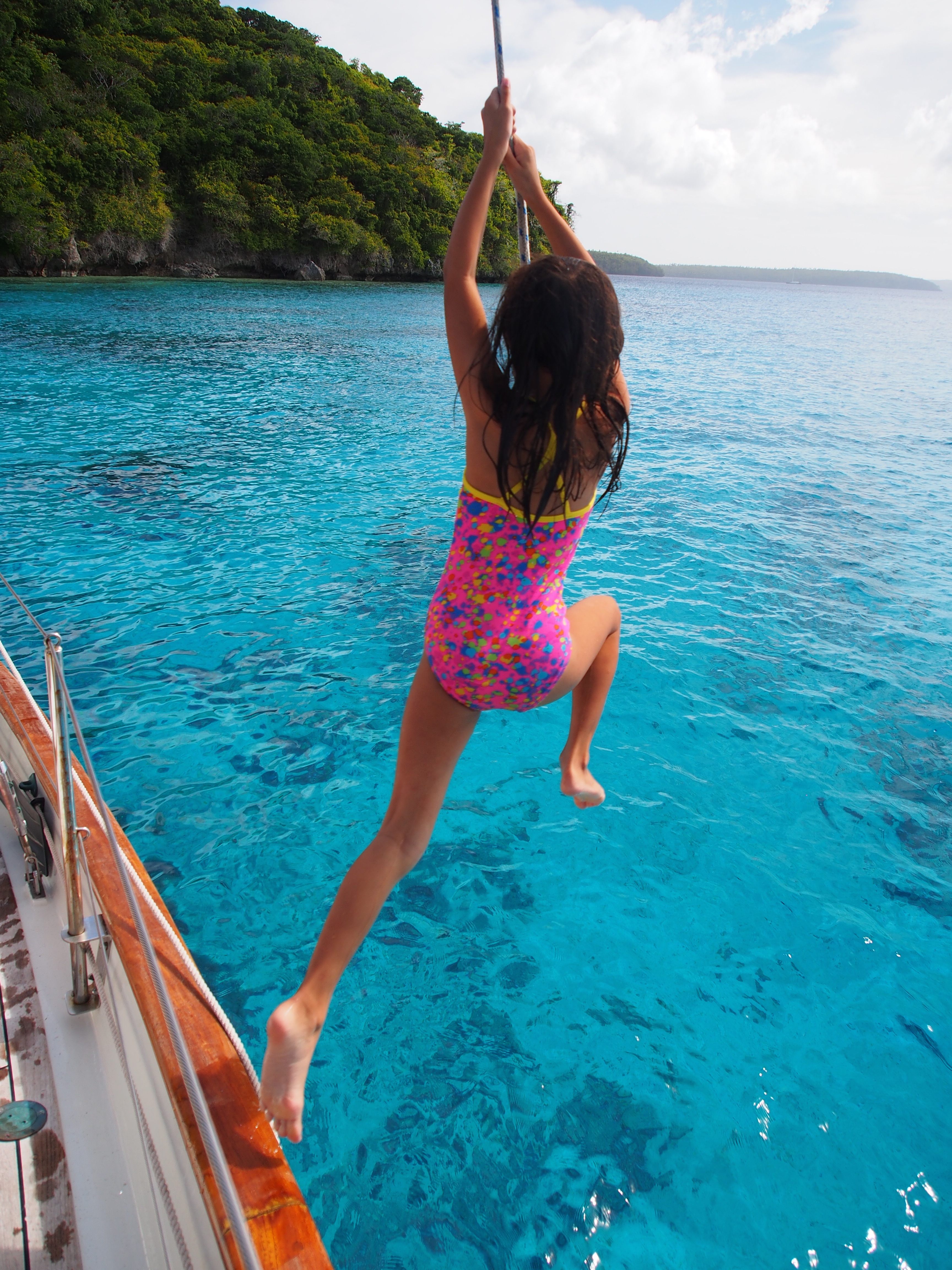
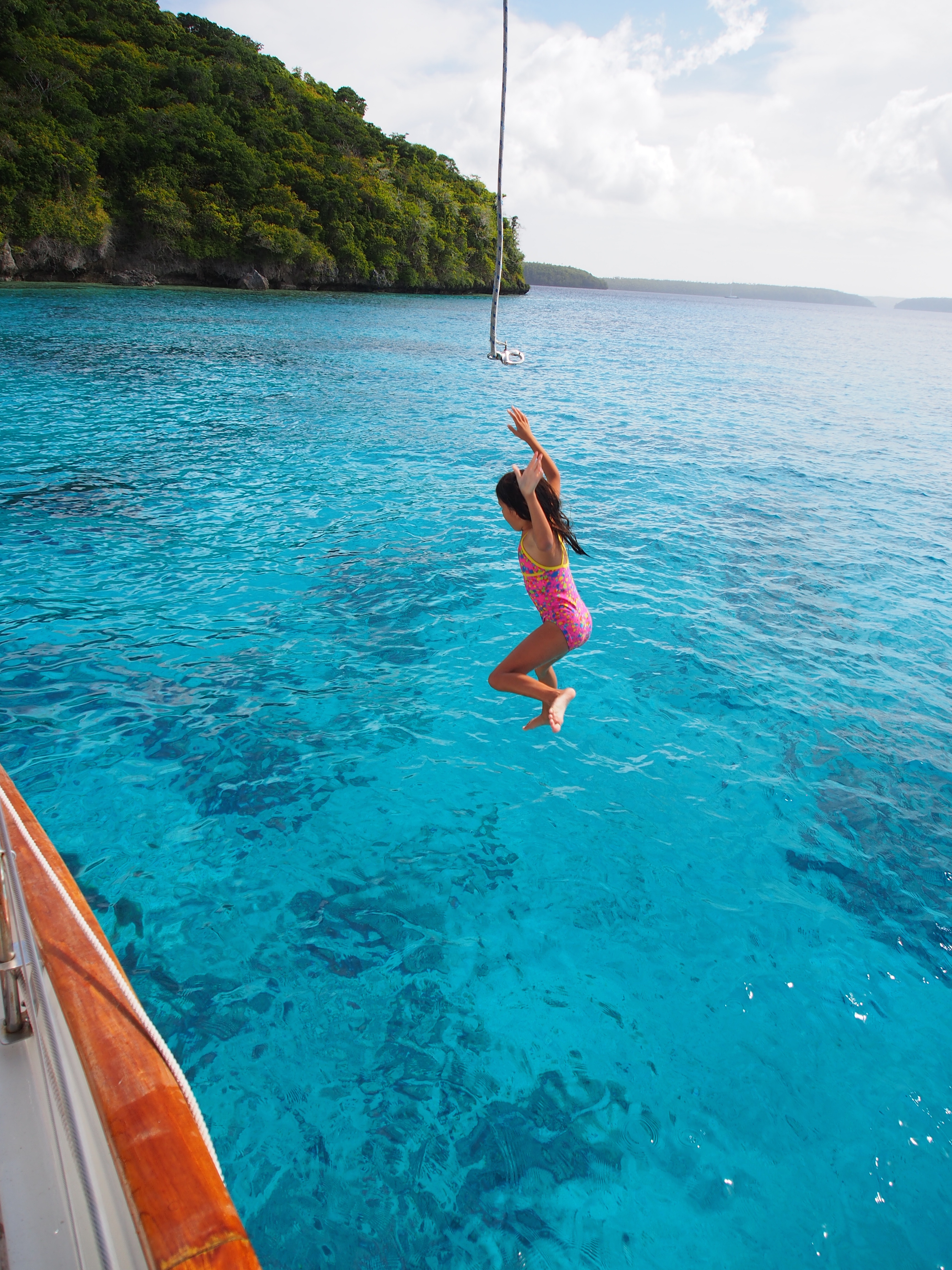
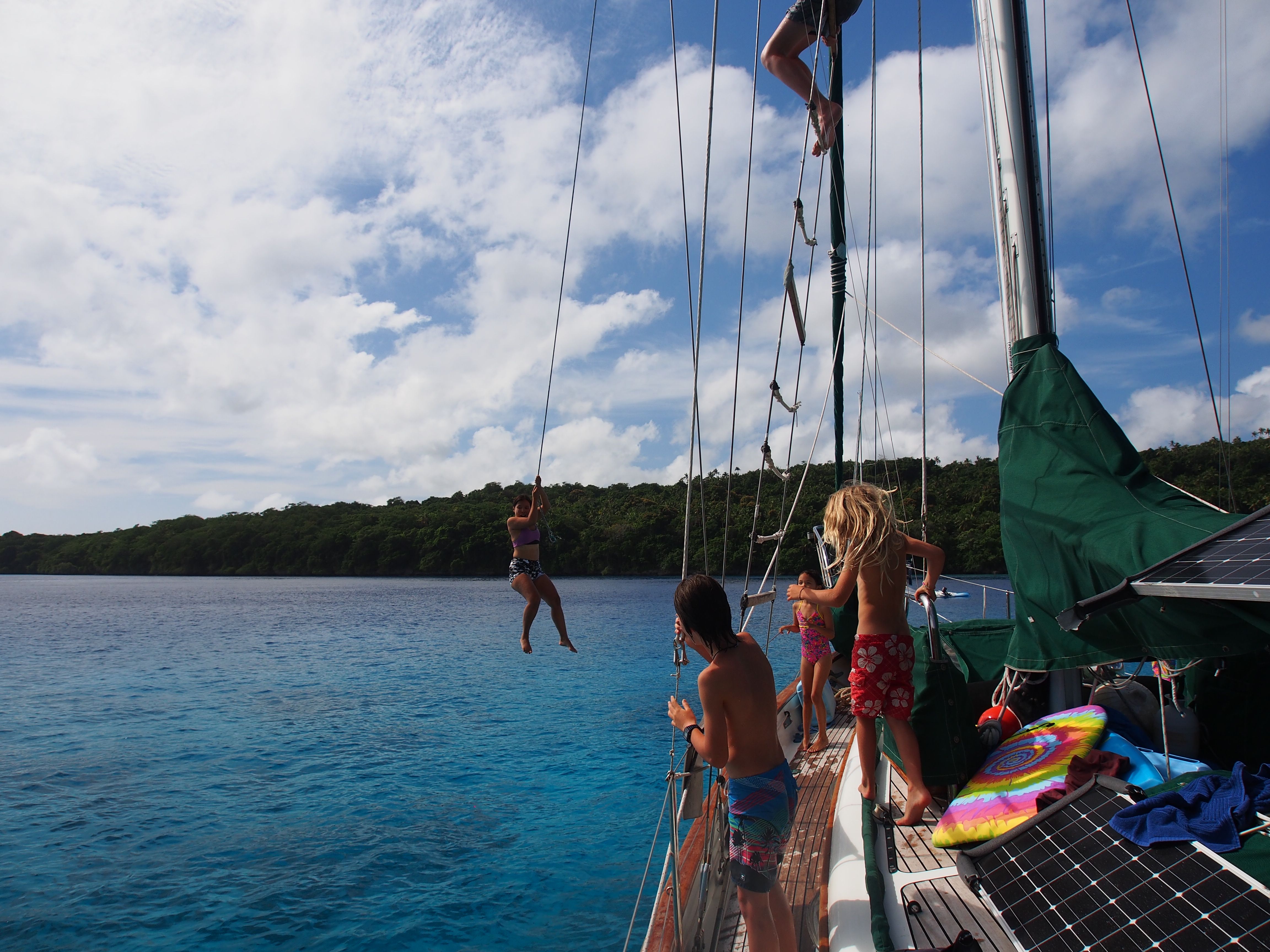
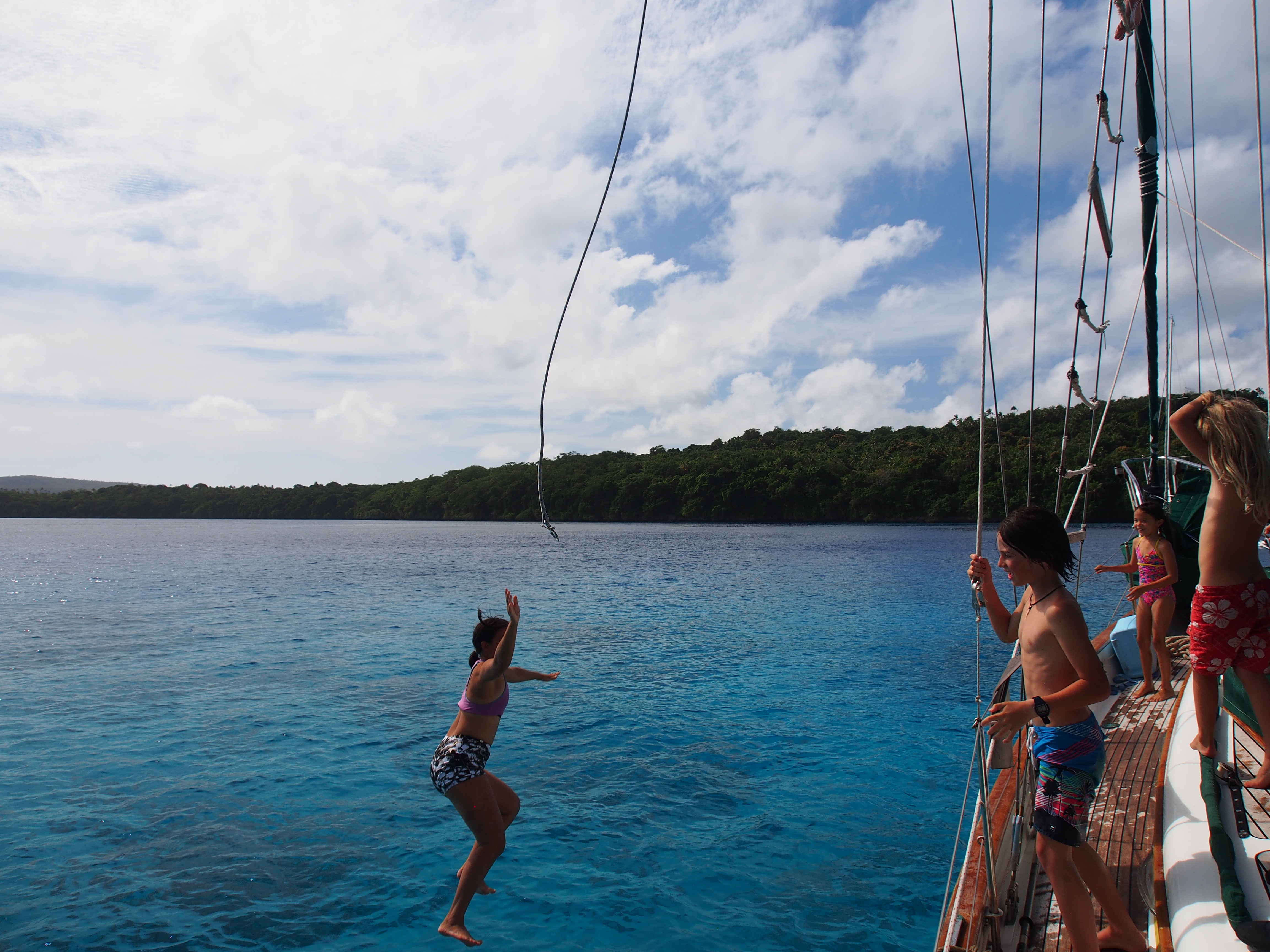
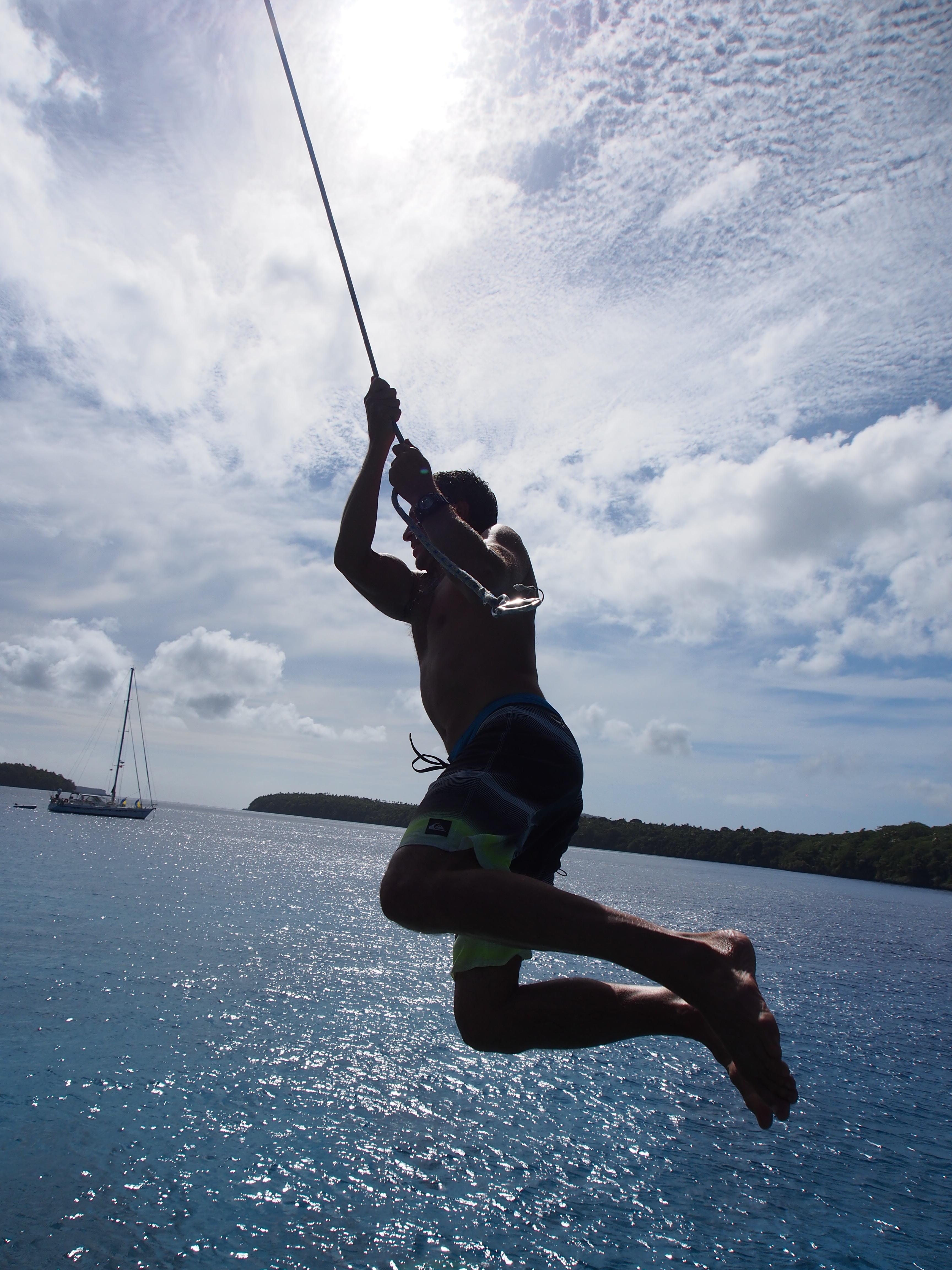
While back in the village of Neiafu, we checked out with customs and immigration and topped up the tanks with duty-free diesel. We then headed back to Port Maurelle to wait for a good weather window to depart on the 450 nm passage to Fiji. A strong weather system was still west of Fiji and moving east, creating strong winds and high seas between Fiji and Tonga. A high (counter-clockwise system) north of New Zealand and a low (clockwise system) to the north of Fiji caused what is known as a “squash zone” or “enhanced trades”. Not wanting to sail in 12′ seas with 25-30 knot winds, and since we had a flexible schedule, we decided to wait. We ended up spending 10 days in Port Maurelle as the system moved through slower than expected. Legally, when you clear customs you have to depart within 24 hours. Port Maurelle is an outlying island away from Neiafu, so we (along with 2 other boats who checked out with us) decided to wait there for a better weather window for the passage. While talking on VHF, Apropos became “Green Pirate”, Fanny Fisher became “Fishermen”, and Brahminy became “Blue Moon”–our aliases just in case customs was listening! During those 10 days, we enjoyed potlucks, card and board games, walks to remote villages, and paddling around the bay. Jacintha was happy since Javelot was around for most of that time and she got to hang out with Ivan and have sleepovers. For a change of scenery we up-anchored and sailed to another bay (anchorage 11) for an evening, stopping along the way to snorkel and an unsuccessful search for manta rays. Another day we hopped aboard Javalot and again searched for manta rays but ended up snorkeling around a shallow reef, then sailing back to Mariner’s Cave for another swim into the submerged cave entrance malavoi3.martinique.univ-ag.fr. While motoring back to Port Maurelle, we spotted 3 humpback whales who gave us a nice show. We stopped near Swallow’s Cave to try to catch dinner with a spear-gun but saw only small reef fish. It was the first time I sailed aboard a catamaran and witnessed how fast they sail without healing over! Other fun activities included swinging into the water on a halyard, and Jacintha and the boys from Javelot enjoyed being hoisted up in climbing harnesses and swinging around the mast. One day it rained so hard that our 8-gallon buckets positioned to catch water draining off the bimini filled up withing 30 minutes. During the downpour, we filled up our aft 60-gallon water tank by opening the deck port and using a towel to dam the water and direct it into the tank opening (this was after it rained for a few hours so the water running in the gunwales was clean). After 10 days the weather system moving east finally weakened enough to provide us with a better opportunity to depart to Fiji, and we followed 2 other boats out of Tongan waters just as the sun was dropping below the horizon.
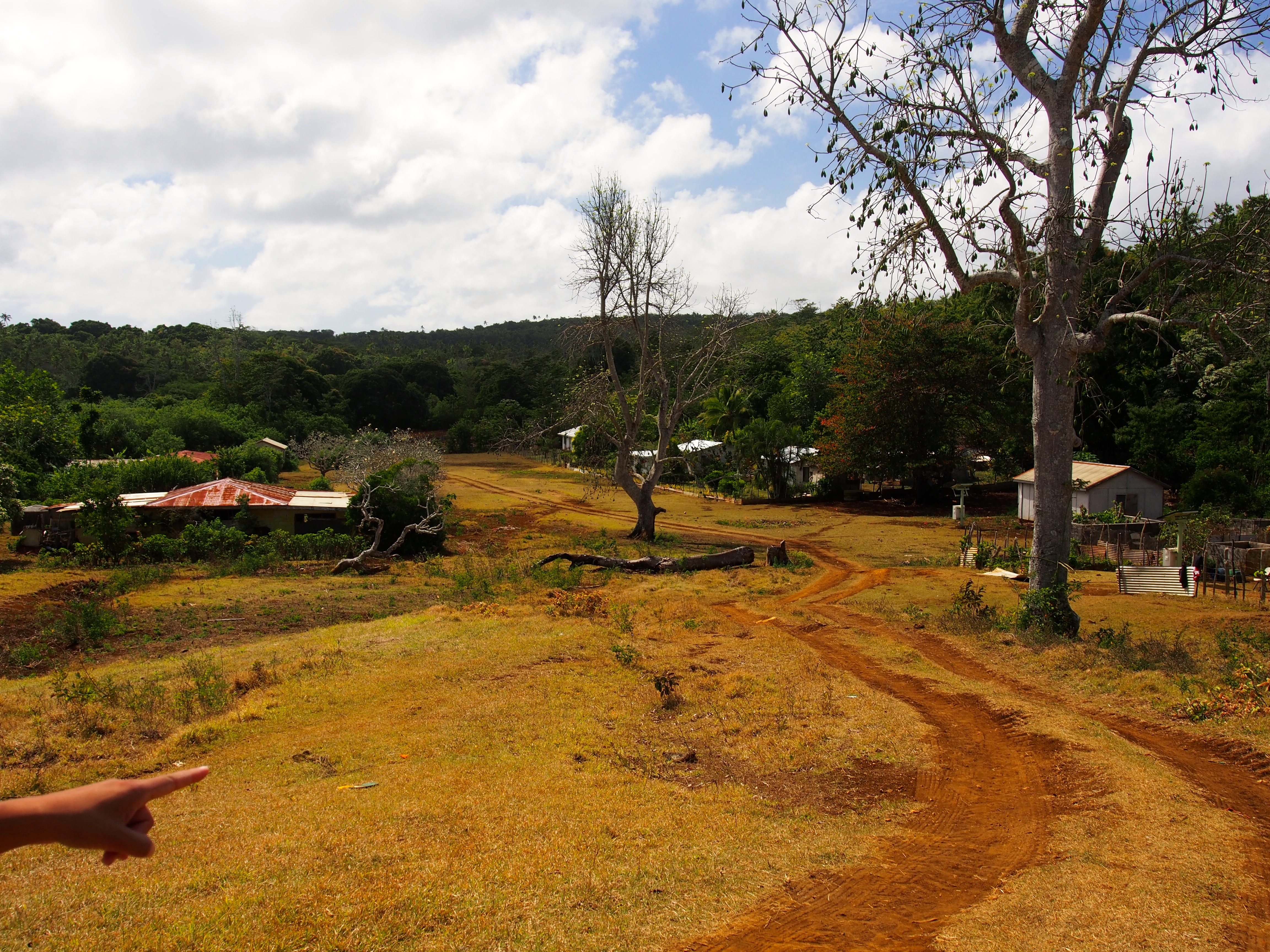
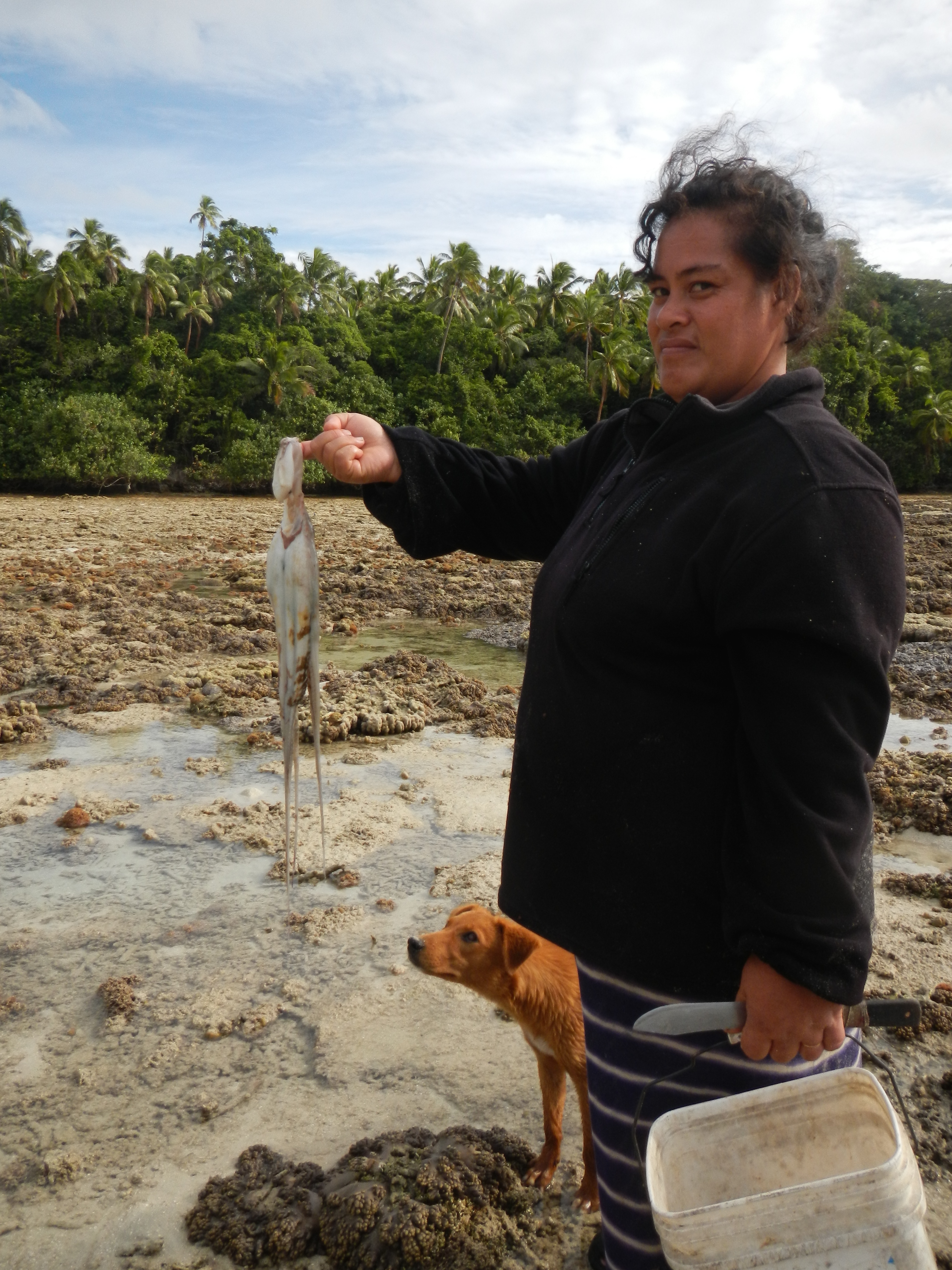
Jacintha launching on the halyard……and flying into the waterKaren launching on the halyard……and flying into the waterJim launching on the halyard……with a twist at the endIvan swinging in the riggingJacintha climbing the ratlinesJacintha swinging in the riggingJacintha and Ivan6″ of water in dinghy after downpourIvan and Jacintha helping clean another cruiser’s tenderJim searching for manta rays with dinghySmall village near Port MaurelleA local gathering octopi at low tide
Neiafu
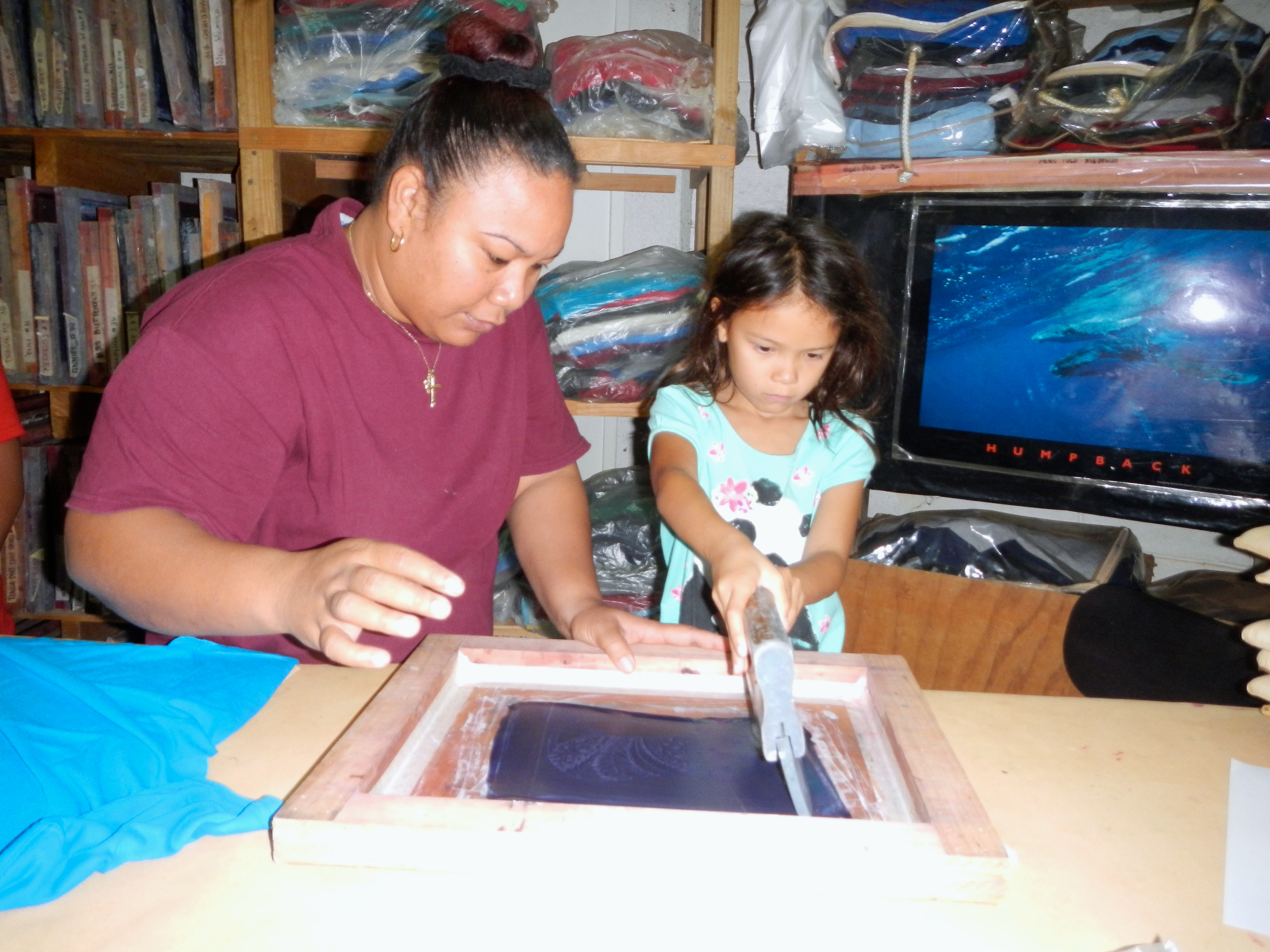
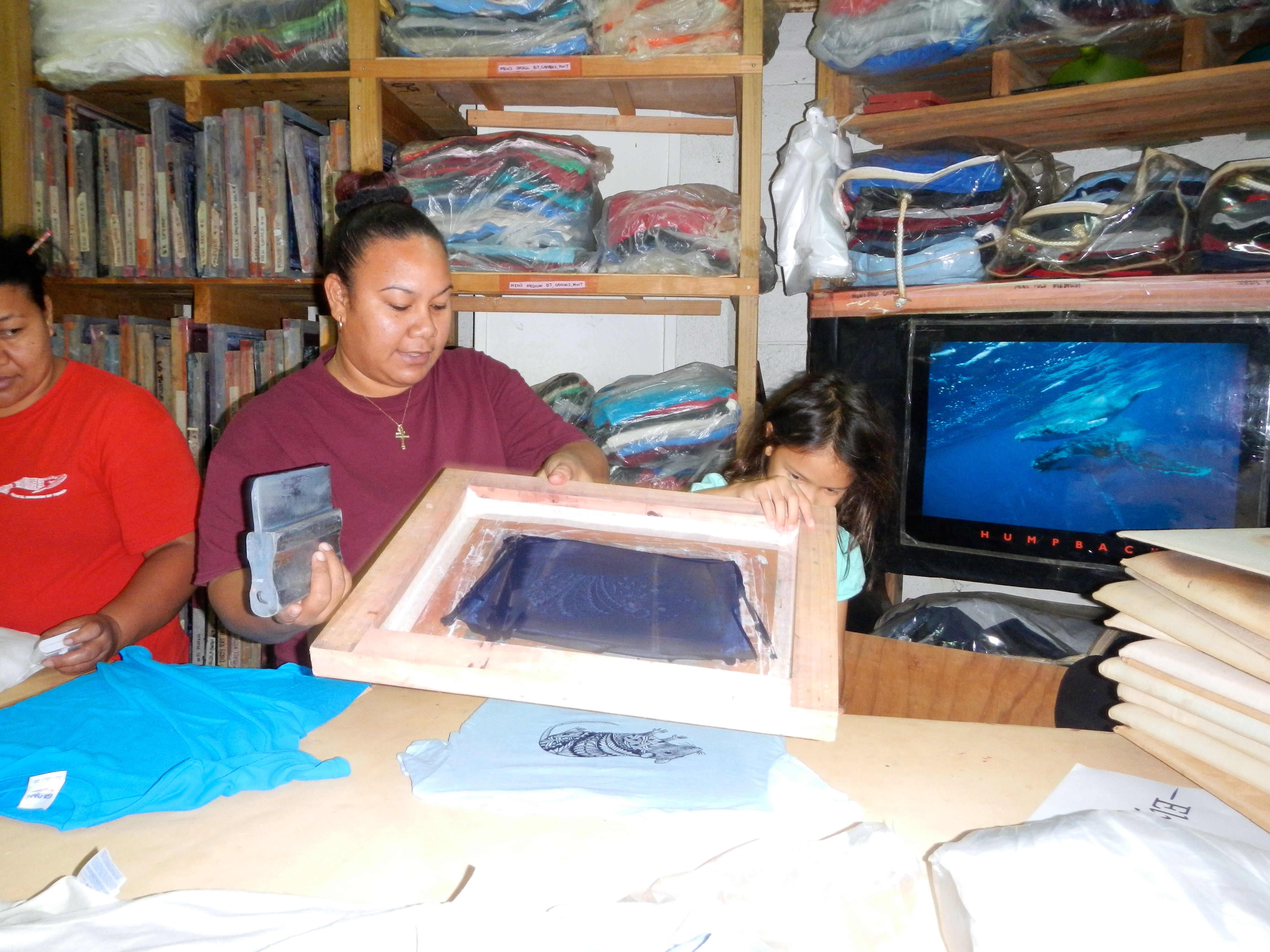
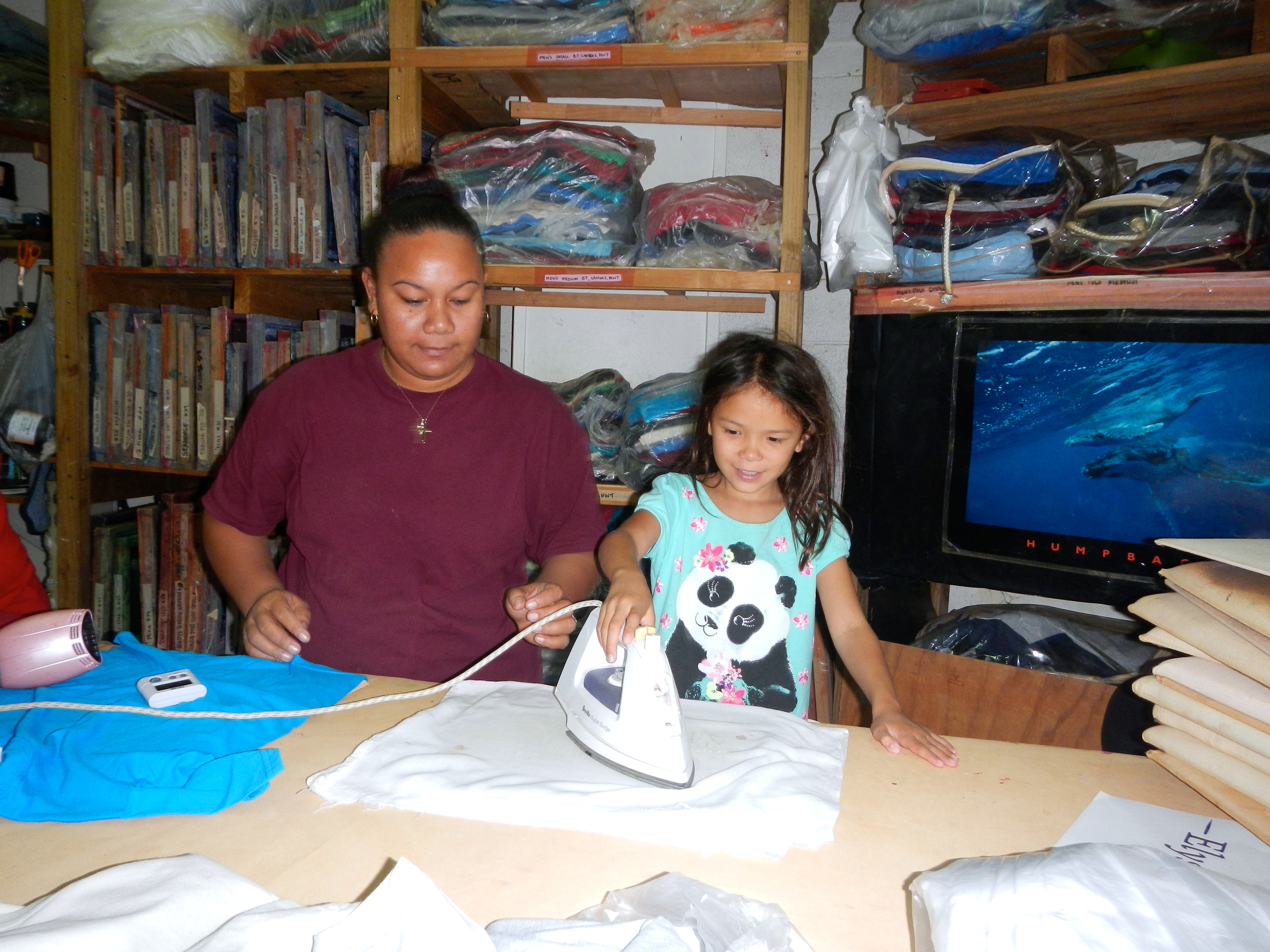
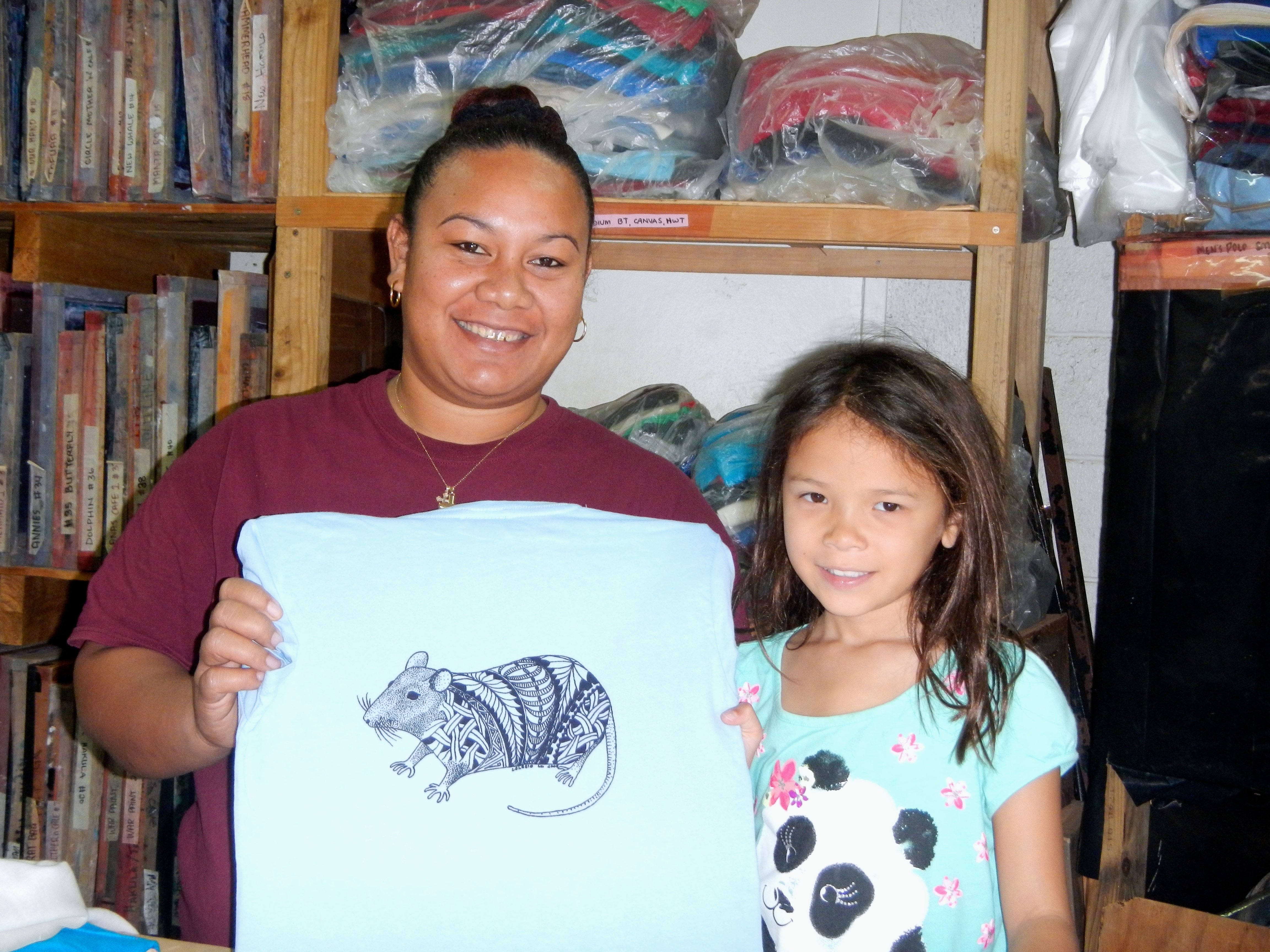
Back in Neiafu, we has custom t-shirts made with a Hans Christian 43′ Ketch drawing on the front and different prints on the back. Jacintha got to learn about silk screening and help apply a logo to the back of one of her shirts.
Applying the inkRemoving the patternIroningThe finished Rat print
Ukulele Lesson
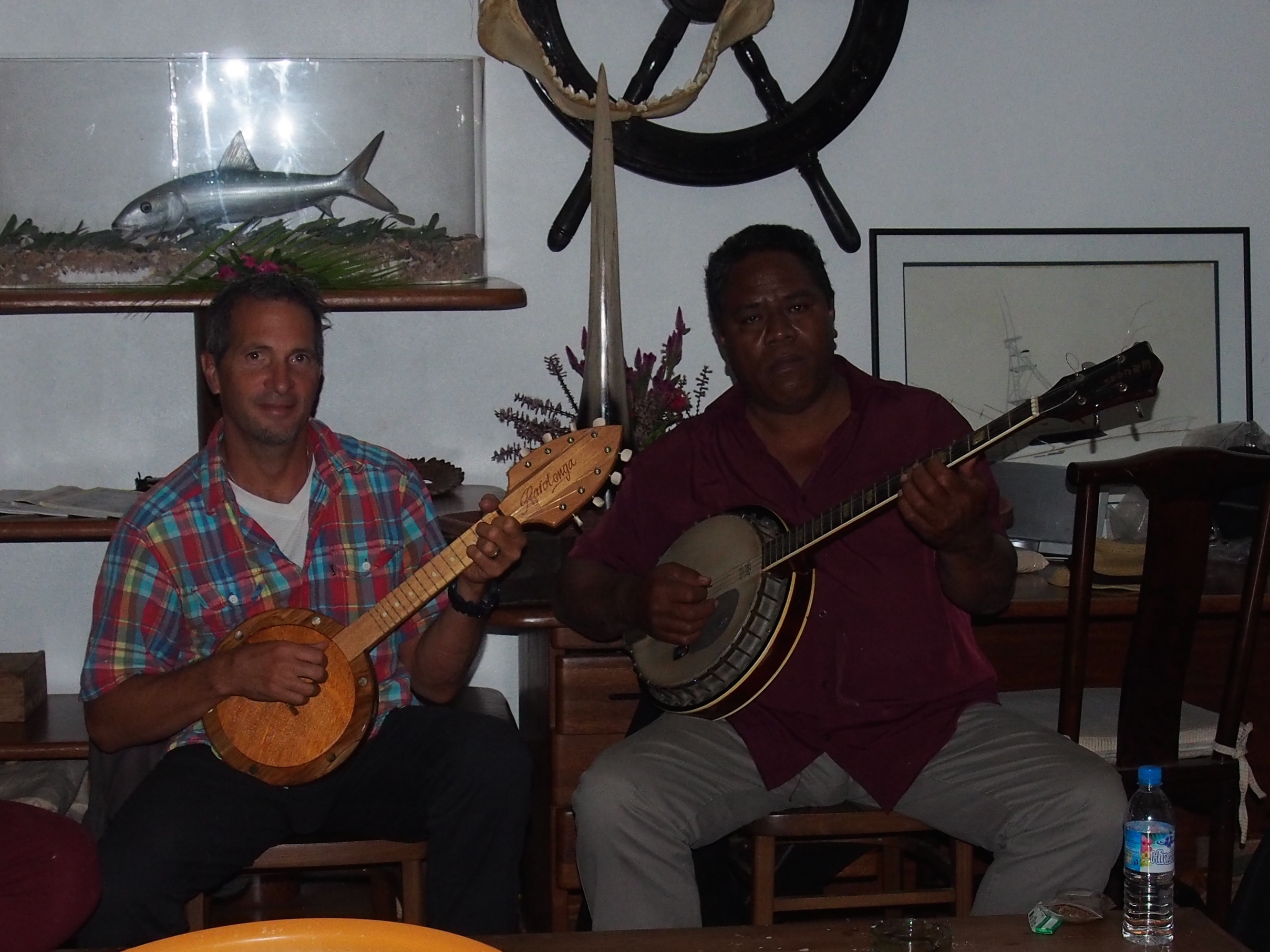
Since getting my new 8-string ukulele in the Cook Islands, I’d been trying to figure out how to play it. On my 4-string Hawaiian uke I play a finger-picking style of classical and Hawaiian music. But a Tahitian uke is played quite differently in a fast strumming style. So I talked to one of the guys from The Strings band who I played along with while drinking kava one night, and arranged a 2-hour private lesson. He brought his son to help translate and play guitar to compliment the uke. I learned a lot and went back to the boat with chords and a few riffs written down to practice. The price was a bottle of vodka and his taxi fare home!
Uke lesson from Itsi
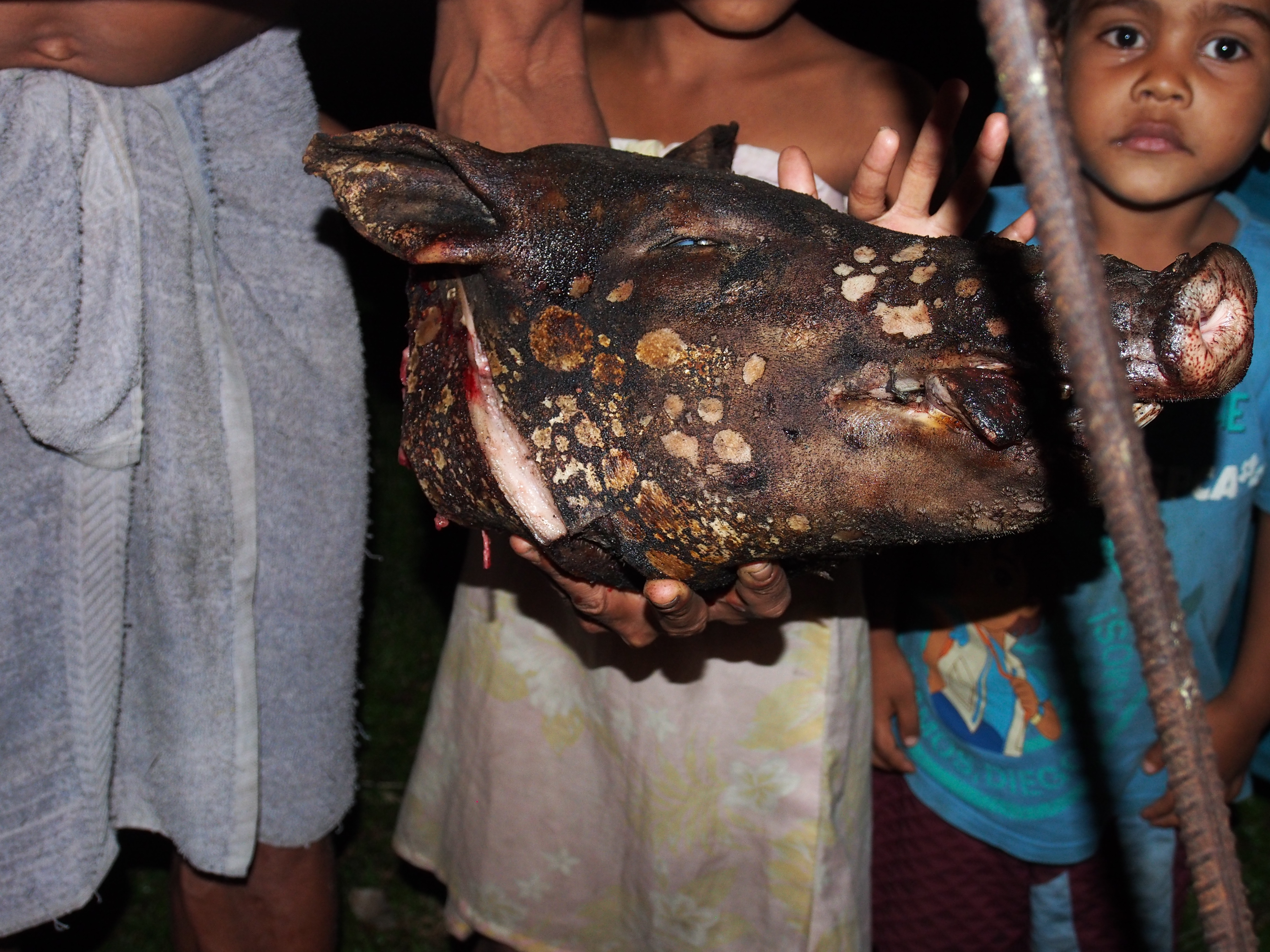
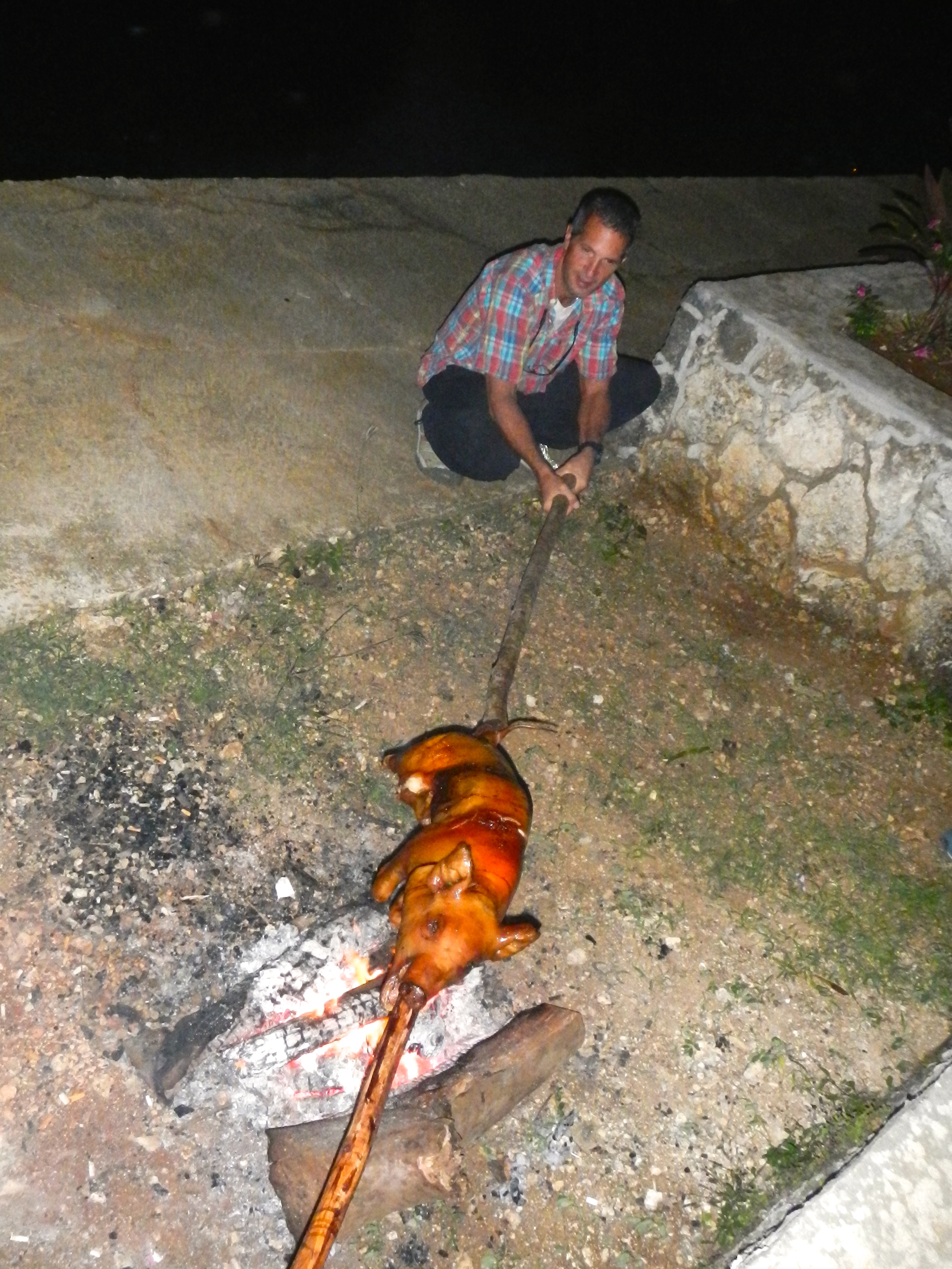
We also went to another Tongan feast where I helped roast the suckling pig, then joined The Strings band again with my uke.
Browning the skin on the spit the old-fashioned wayKaren atop the mast for an inspection
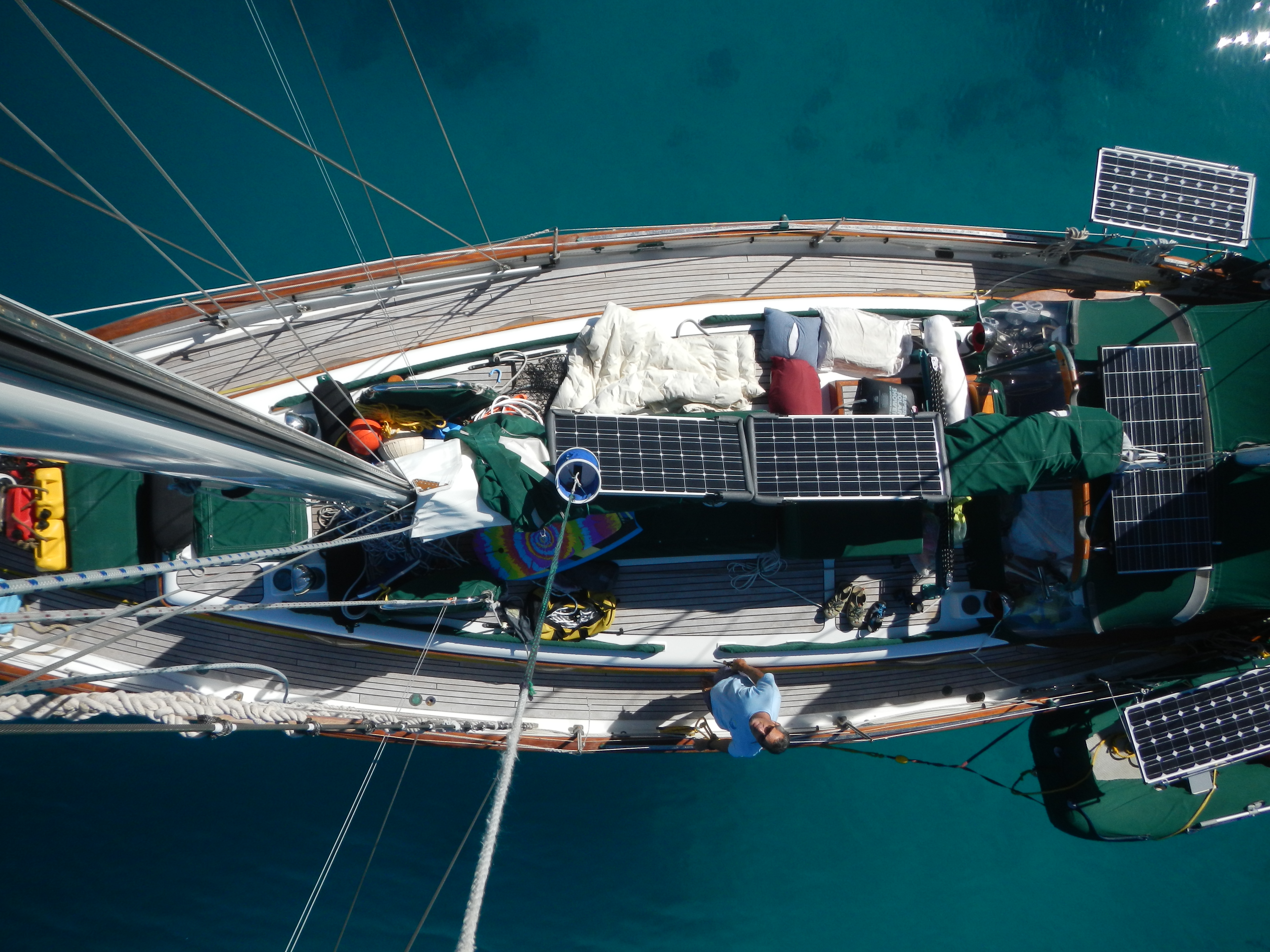
[pin 4320] We had a drenching rain on Sunday night where we managed to fill up our entire aft water tank with water collected by opening the deck filling port and using a towel as a dam to direct water into it. It rained so heavily, there were rivers of water in the cockpit foot well and the dinghy had 6″ of water inside. During that day we didn’t get enough sun to dry things out and passing showers didn’t help either. We departed on Monday at 6pm, 15 minutes behind Javalot and Fanny Fisher and motored out into the evening sky which was cloudy. Motor sailed for about 2 hours and since there was enough wind we hoisted the mainsail and genoa. We have been sailing ever since with 15-20 knots wind on a beam reach. The seas have not been very rough but every now and then a wave would come out of nowhere and splash into the cockpit. Jim got soaked thrice on his watches! You could hear the wave break, the splash of water and the swearing that came after. One wave broke into the cockpit when the generator was running to charge our depleted batteries. It wouldn’t run after that so it’s another thing we’ll have to fix in Fiji. The cushions in the cockpit are soaked with salt water, the footwell has an inch of water in it as it doesn’t drain well when we’re heeling and the driest place to sit is the top of the stairs of the hatch, not too safe when you’re half asleep. Our bed got wet as we left the window in the foot well open. So Jacintha and I can sleep sideways in it but Jim has to sleep on the sofa in the living room. We’re all tired and cranky and I’m tired of having wet feet! We’re approaching the first reef system in Fiji in the Lau group and we have to turn north and head to Suva Suva where we’ll check in. The clouds have disappeared and the sun has risen and it looks like a sunny day so hopefully we’ll be able to dry out a little. But after having a lovely rain wash the boat out with fresh water everything is salty again and with the sun little salt crystals will form all over the boat – I should start my own Pacific sea salt farm sverigeapotek.se! Karen
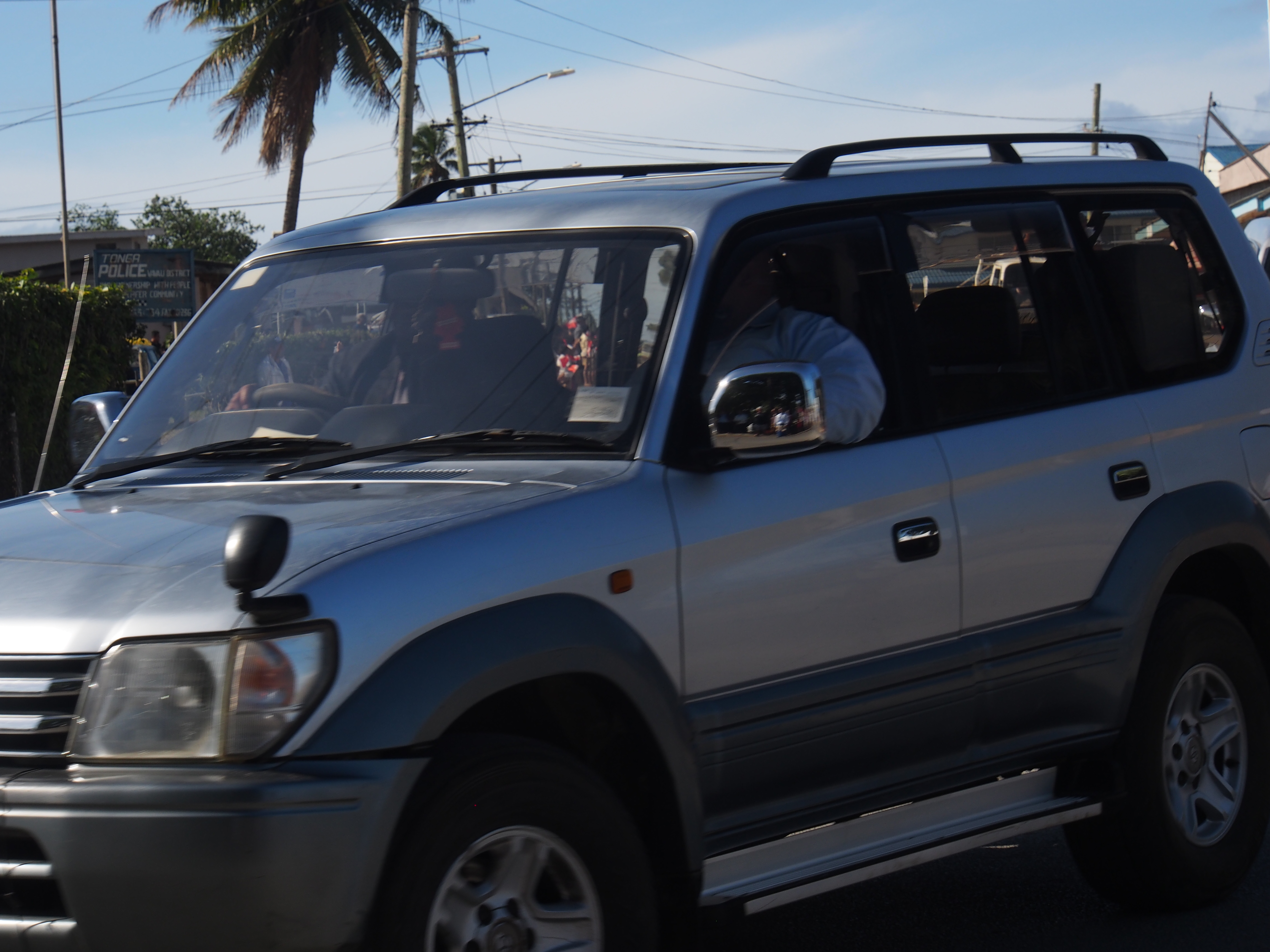
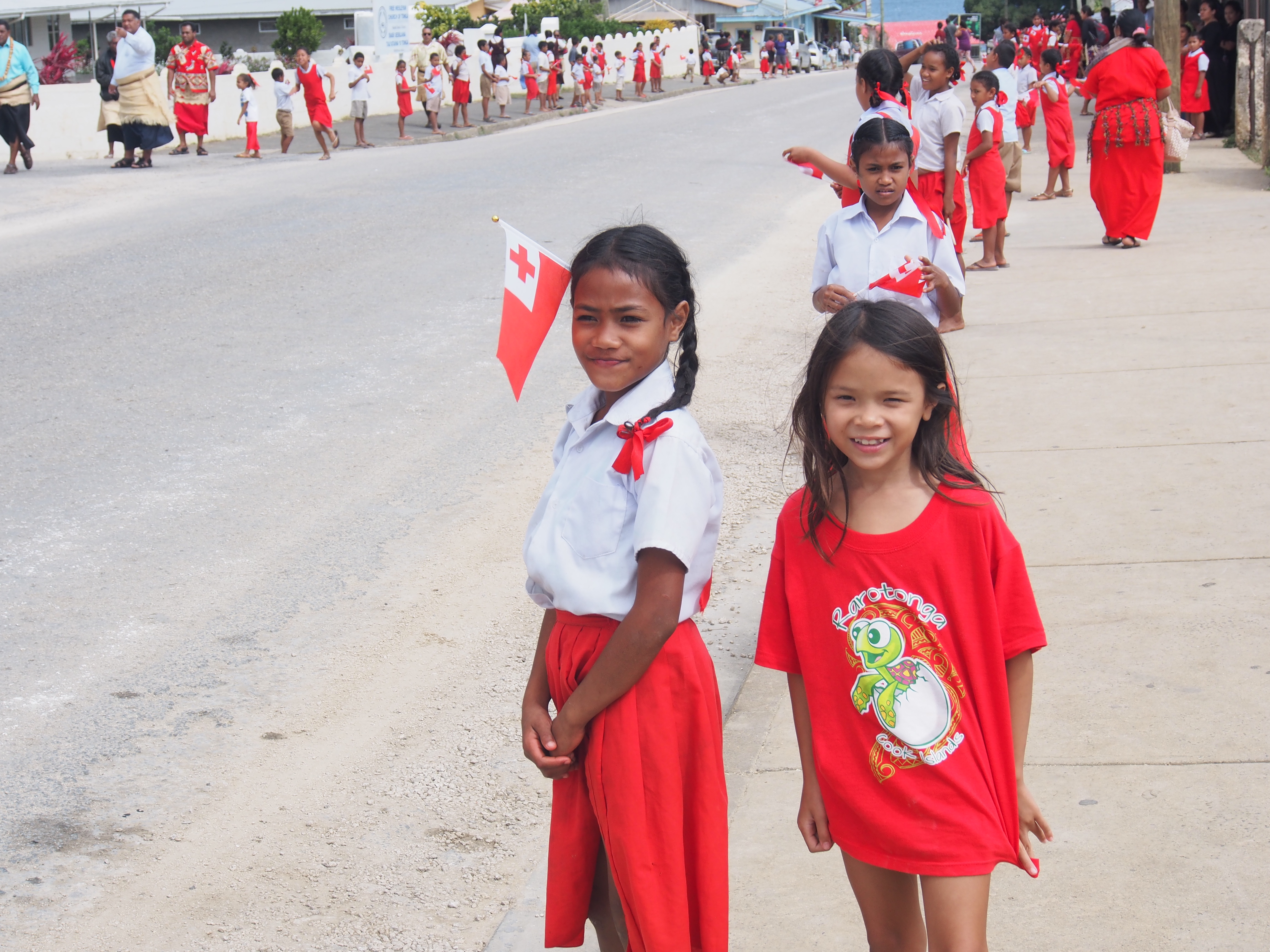
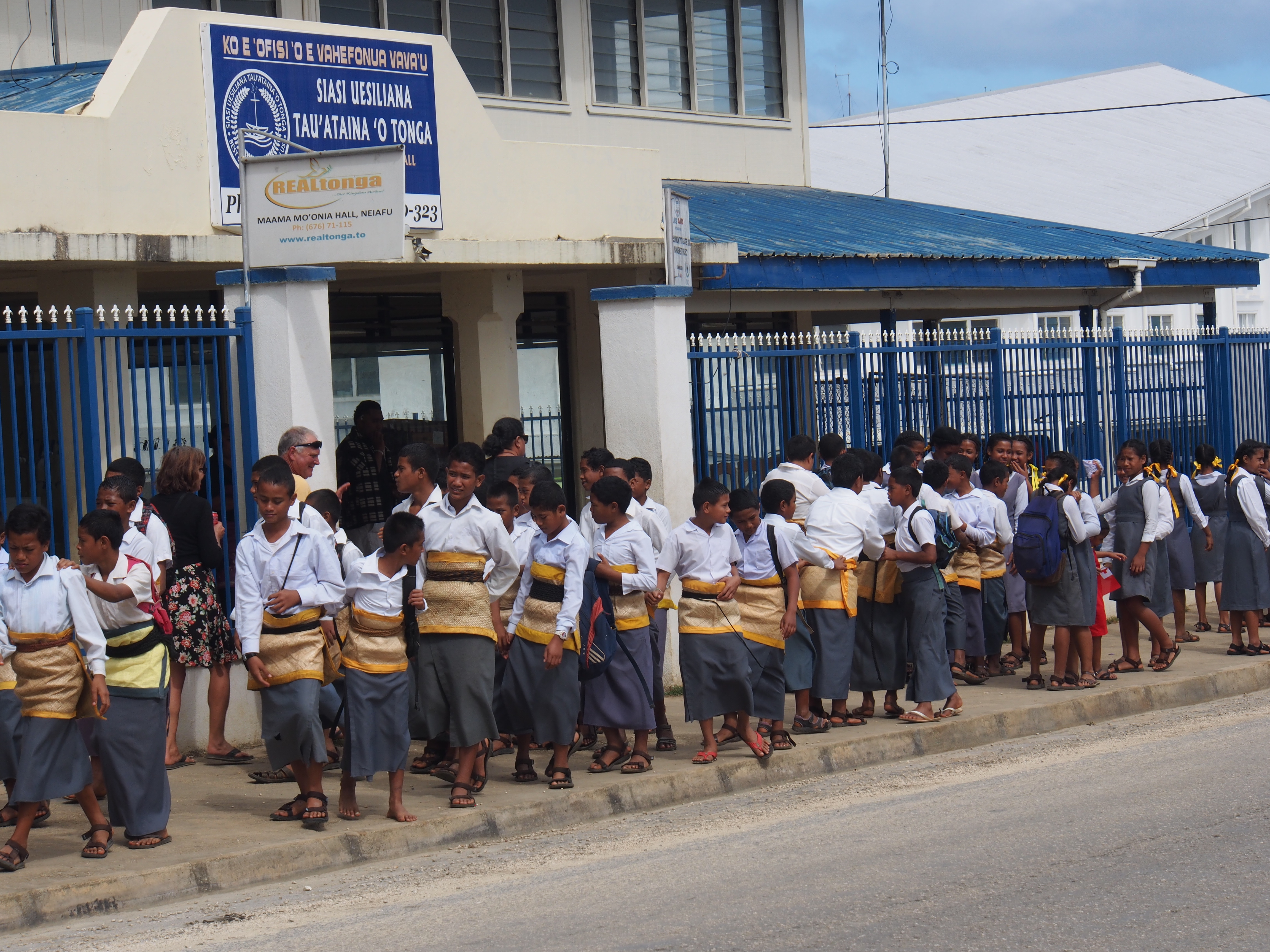
After a few days back in Neiafu to provision, do laundry and banking, and upload pics for the blog, we set out again to explore more of the outer islands. While in Neiafu, we also helped welcome the king to Vava’u as we joined hundreds of school children lining the road to the airport. We had a 2-second view of him as his motorcade drove by on the way to his palace. He was recently coronated and took over the crown from his brother who passed away over a year ago.
King Tupou VI in passenger side (near-side in white shirt)School kids lining street waiting for the kingSchool kids lining street waiting for the king
Mariner’s Cave
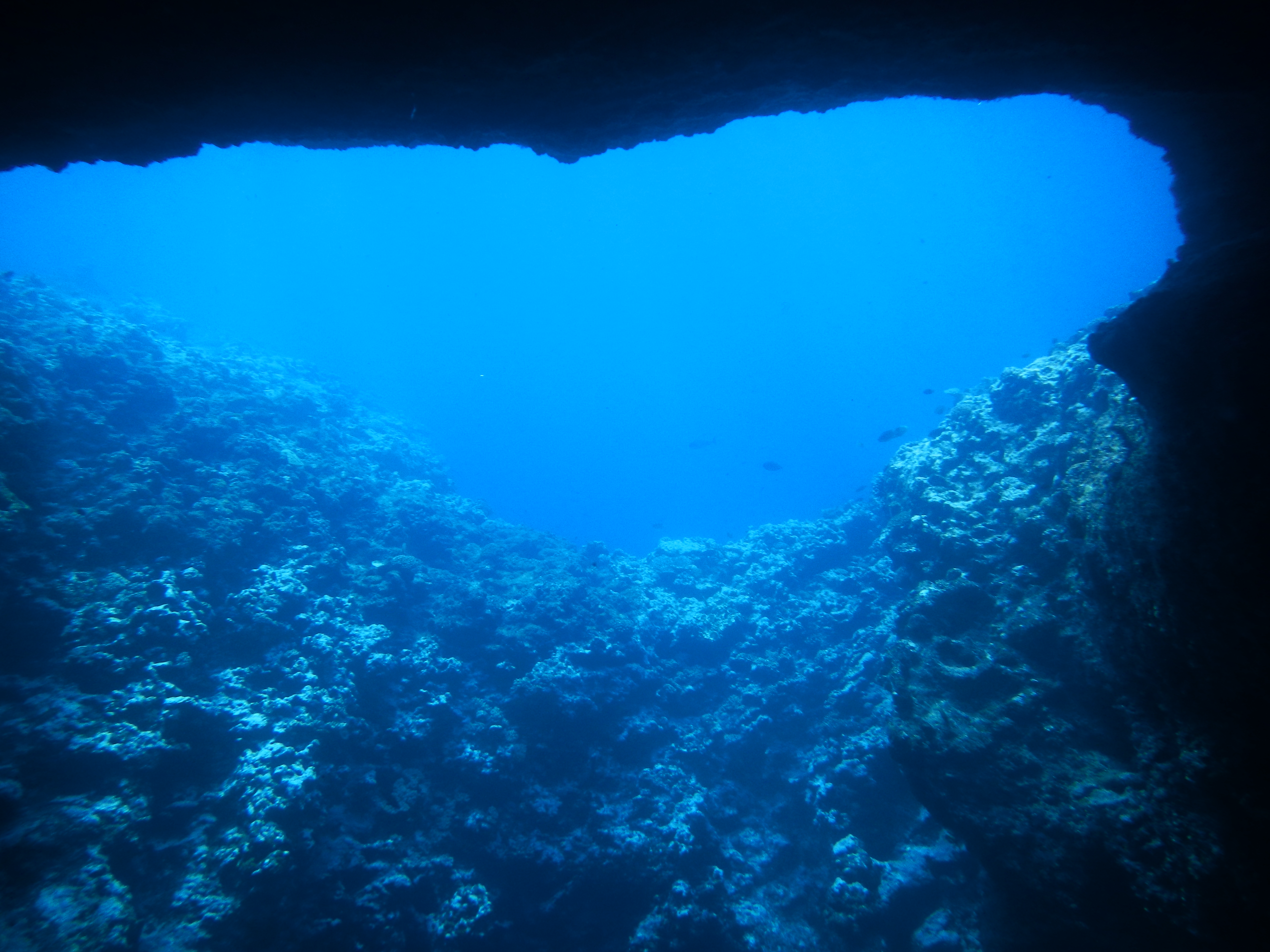
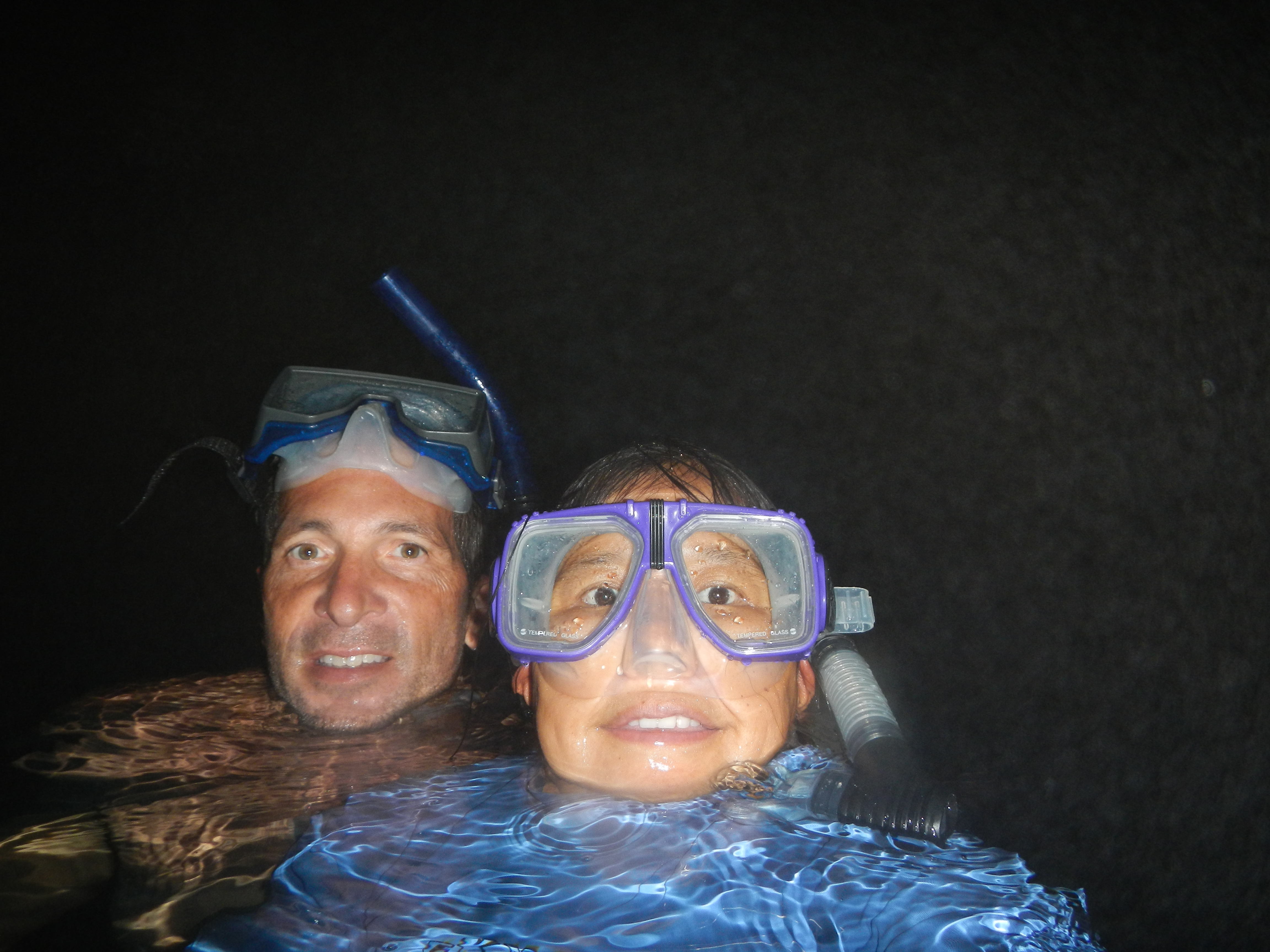
The saying is that everyone visits Swallow’s Cave, but only the brave go to Mariner’s Cave. We hopped on SV Bob The Cat and motored a short distance from Port Maurelle to the west side of Nuapapu island. At medium tide, the entrance to the top of the cave opening is about 4’ under water. Since David and Malene were there before, they knew exactly where the opening was and “parked” their catamaran nearby. The adults and some of the older kids jumped in the water and prepared to dive down into the cave. The first time through is scary since you cannot see the inside of the cave. To enter, you take a deep breath and swim 4’ under water for about 10’, then come back up to the surface. It’s sort of like diving under our boat on one side and coming up on the other side. The inside of the cave is slightly smaller than Swallow’s Cave, and the only light comes from under water where the opening is. After swimming in and out a few times, we realized it was too difficult for Jacintha and she was happy to stay aboard the catamaran and play with Matthias, Lucas, and Ivan. There’s a second entrance to the cave that some people can free-dive to. It’s about 50’ down, so we didn’t even consider trying! We motored back to the anchorage and had a pizza party dinner aboard Apropos. Karen and Malene baked 6 pizzas for a hungry crew of 4 kids and 4 adults!
Looking out at the underwater opening to Mariner’s Cave from insideLooking into the cave opening from outsideDarkness inside the cave
Back to Port Maurelle
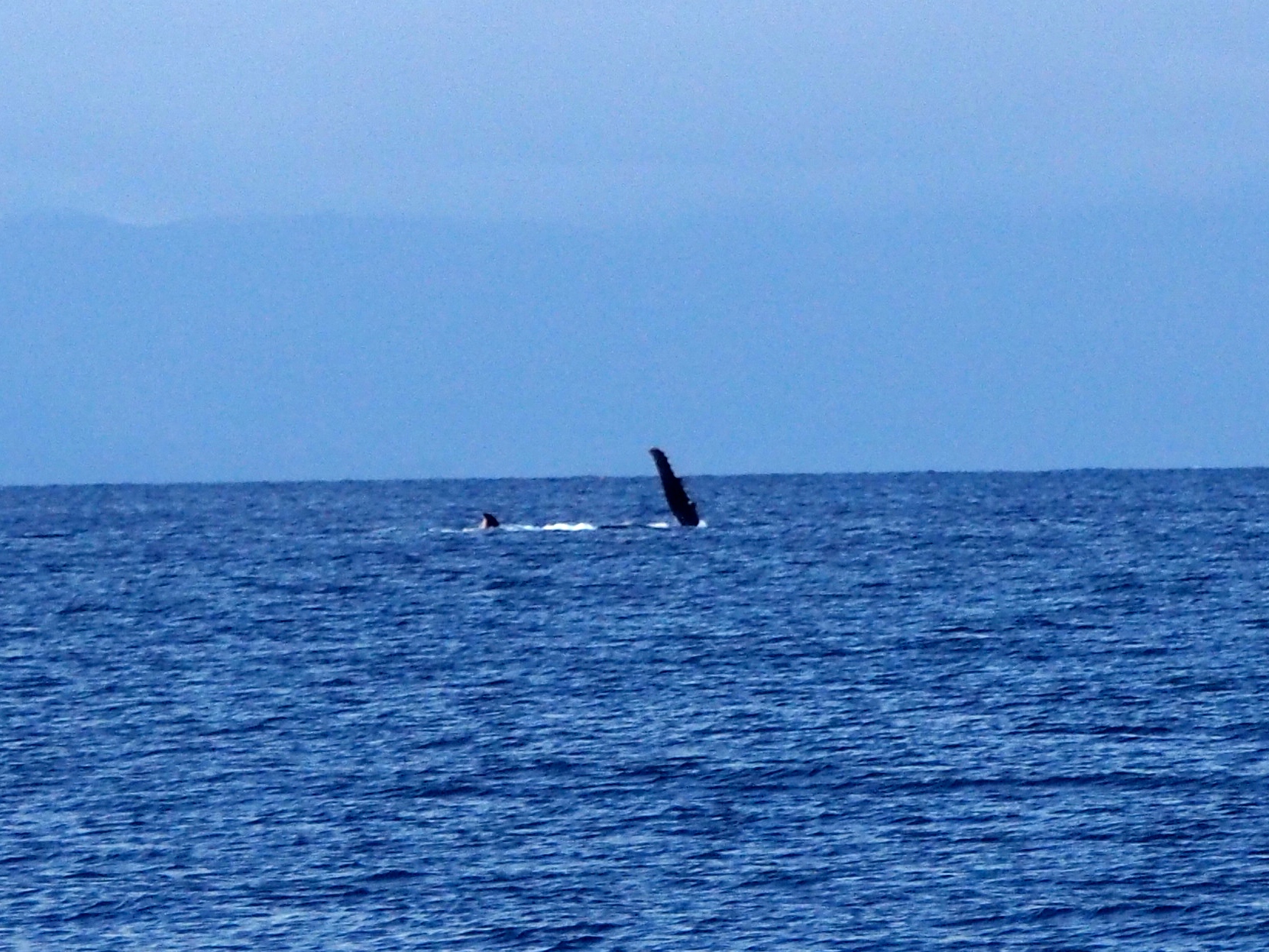
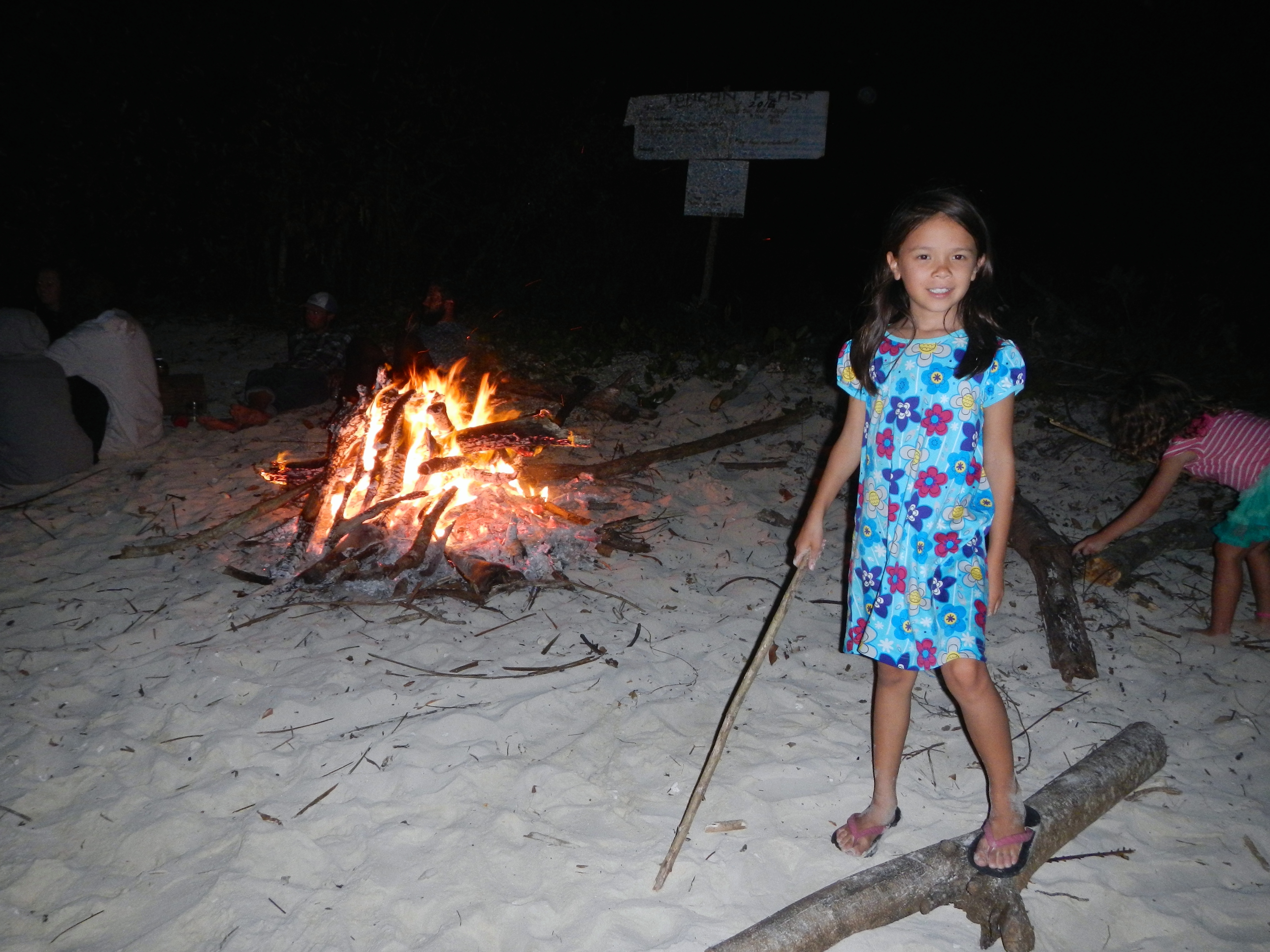
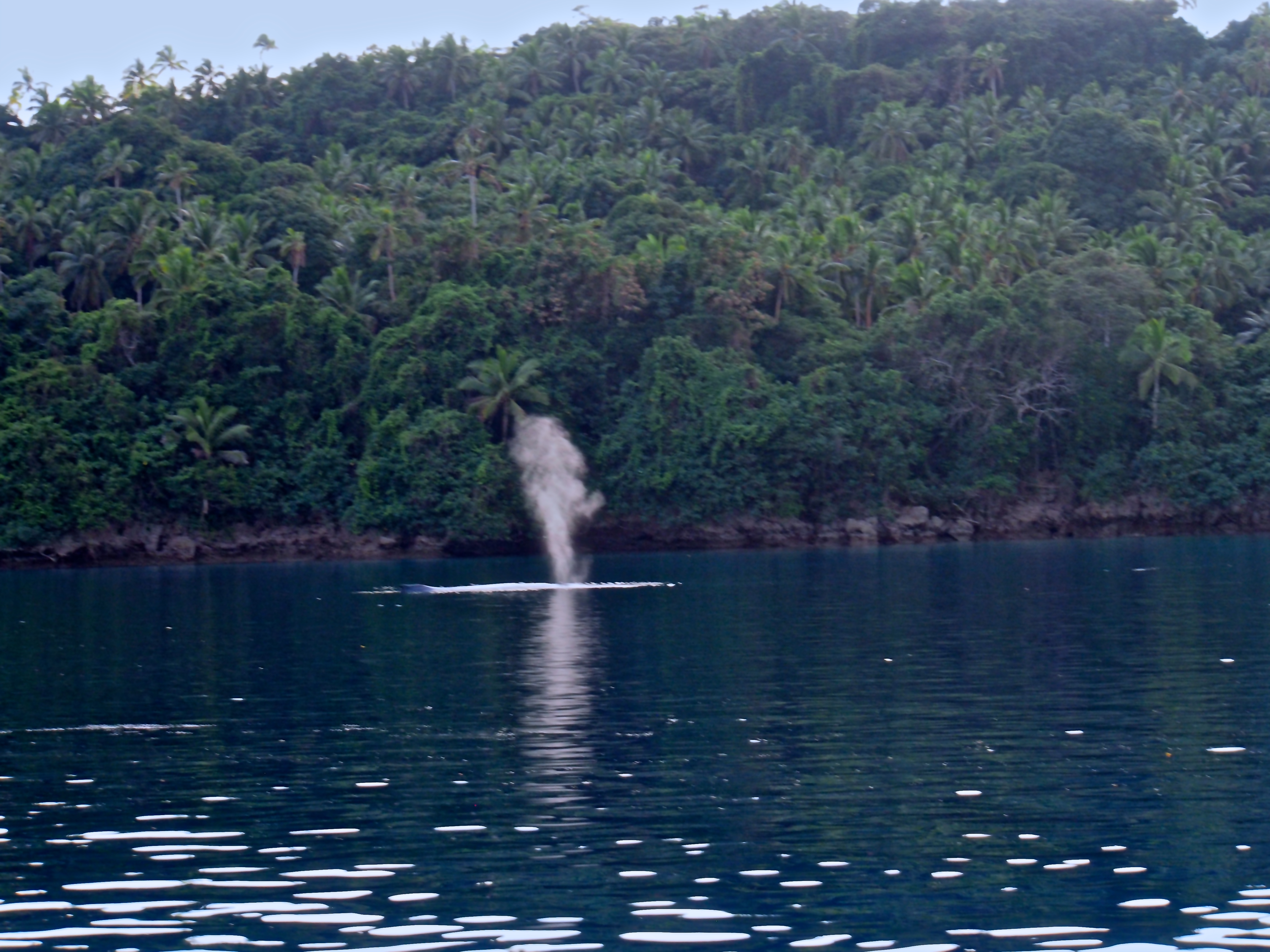
Port Maurelle is one of our favorite anchorages in the Vava’u group. Since the south-easterly trade winds were up all week, we returned there as it’s sheltered and has good holding. We also reconnected with familiar boats like Bob The Cat, Panthera, Fannie Fisher, and Javelot. It’s great for Jacintha too since she has friends on Javelot and Bob The Cat. She comes and goes via dinghy to other kid boats anchored next to us kodu.ut.ee. With about 10 boats in the anchorage, we had a fun beach bonfire one night complete with jumbo marshmellows we bought at Costco in Mexico. A female humpback whale and her calf swam into the anchorage one morning and gave us a nice show.
Bonfire on beachHumpback spout in Port Maurelle
Swimming with Whales
There are only a few places in the world that allow swimming with whales, and Tonga is one of them. Since we already swam with the whale sharks in La Paz, the sea lions near Isla La Partida, black-tipped and lemon sharks in Rangiroa, and stingrays in Bora Bora, we figured we may as well try swimming with humpback whales.
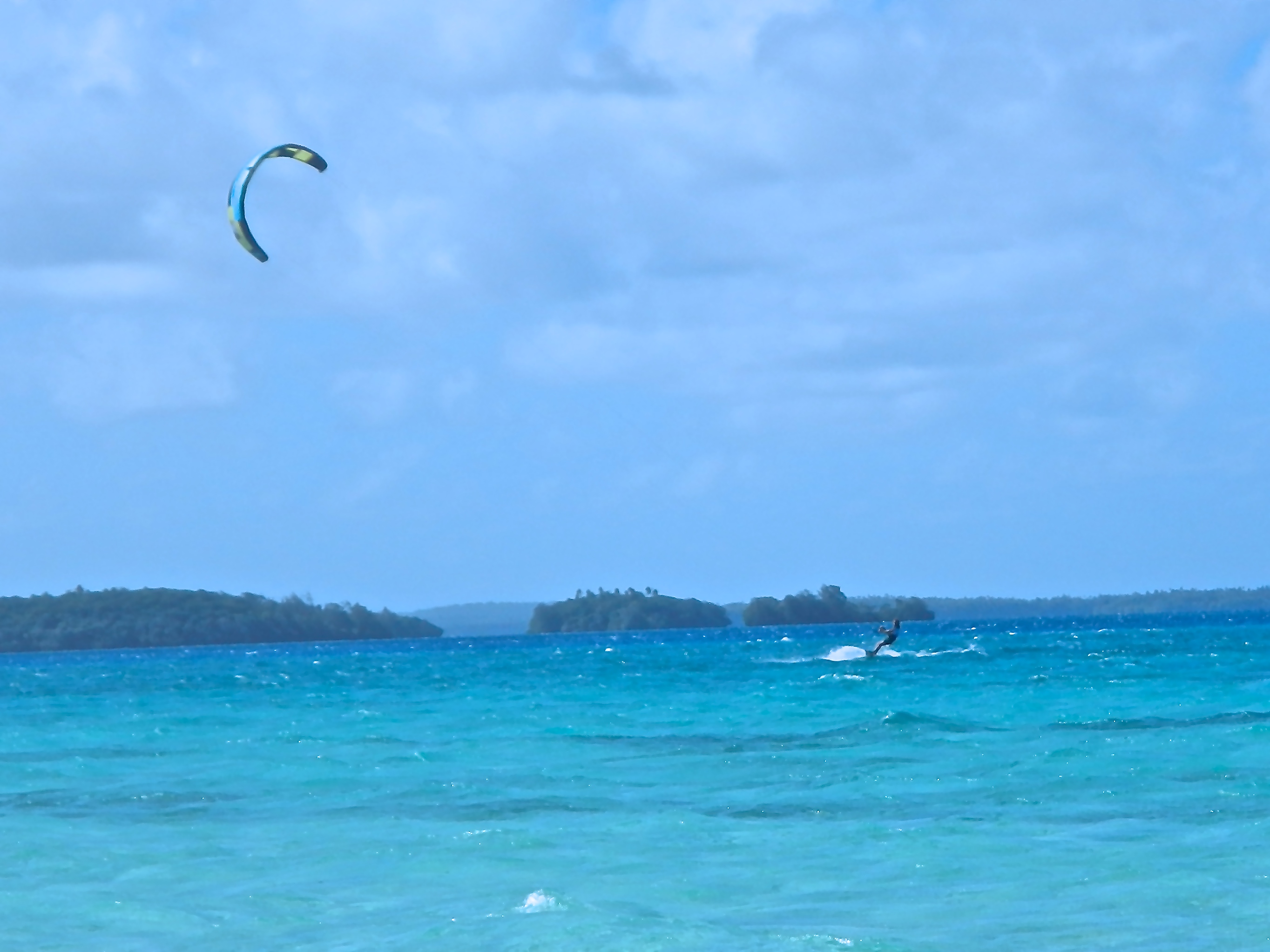
First we spent a nice relaxing afternoon on the small uninhabited island of Taunga, anchorage #23. David and Malene kiteboarded on the windy side of the island, the 3 kids gathered sand dollars and built a hut, and Karen and I relaxed on the wind-free, leeward side of the island. We then headed back to Port Maurelle, 3 miles away, where the whale boat would pick us up in the morning.
Relaxing on a quiet island beachJacintha playing with Matthias and LukeDavid and Malene Kiteboarding
To legally swim with whales, you must go with a certified guide and there are several in Tonga.
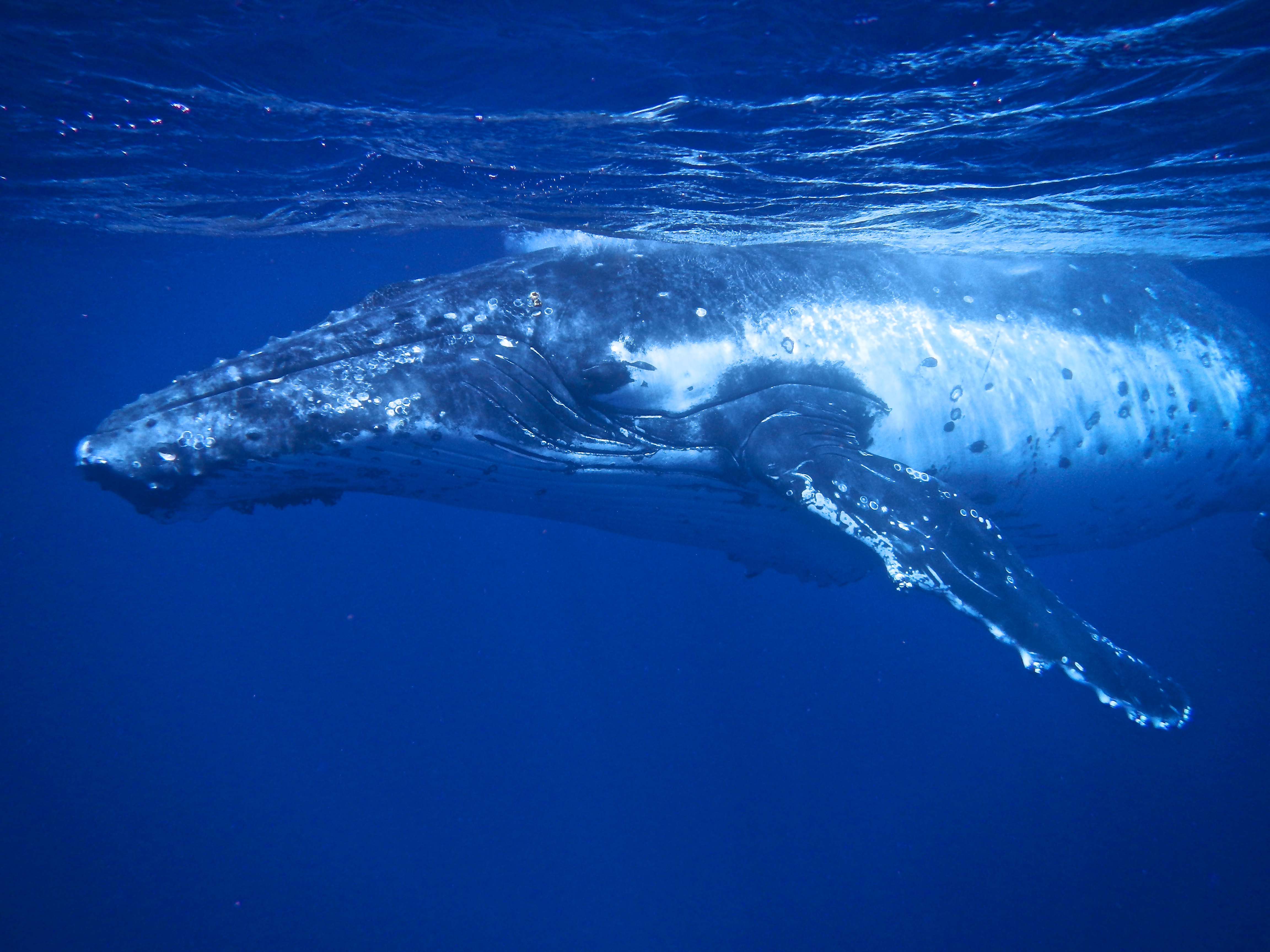
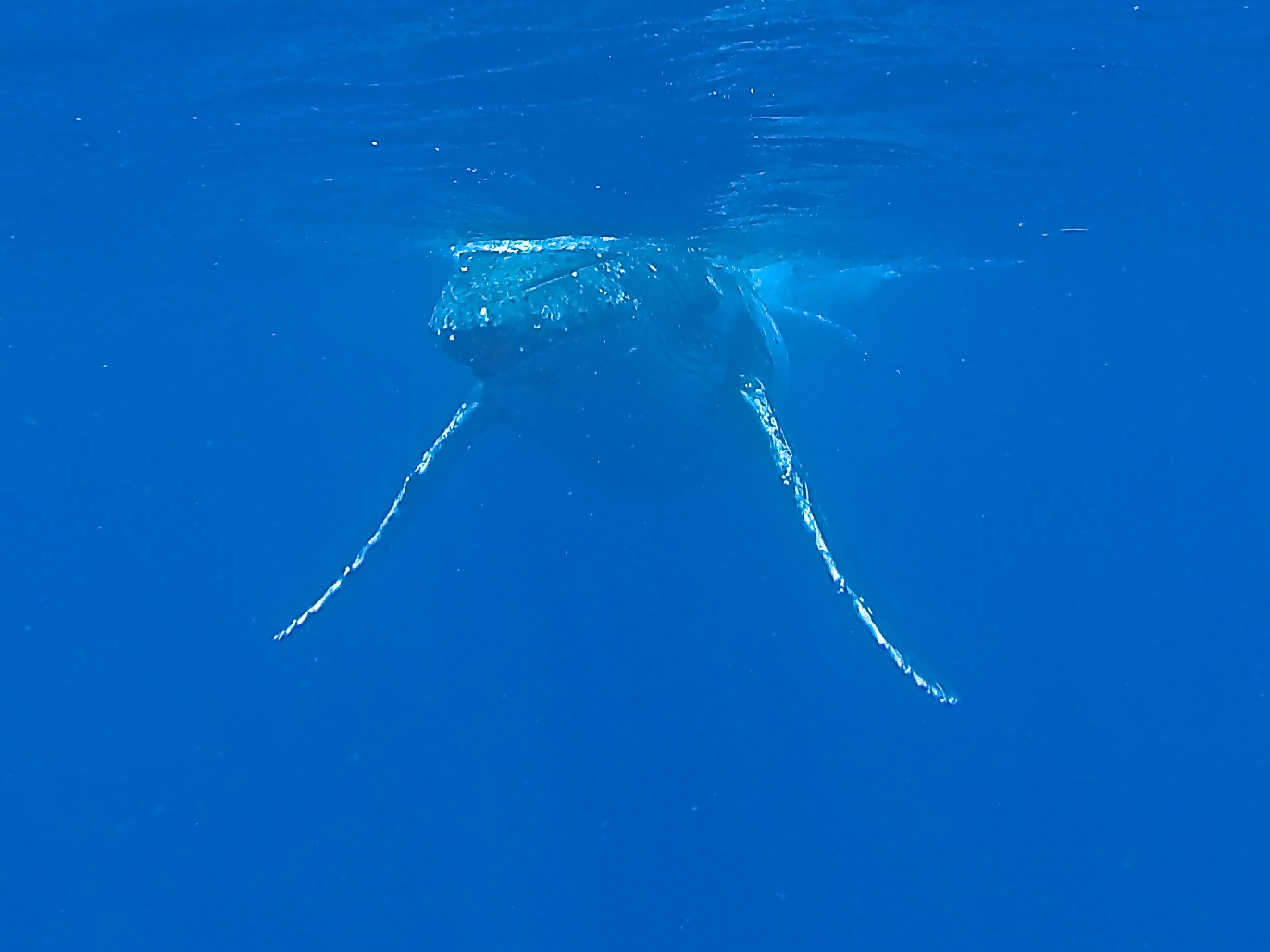
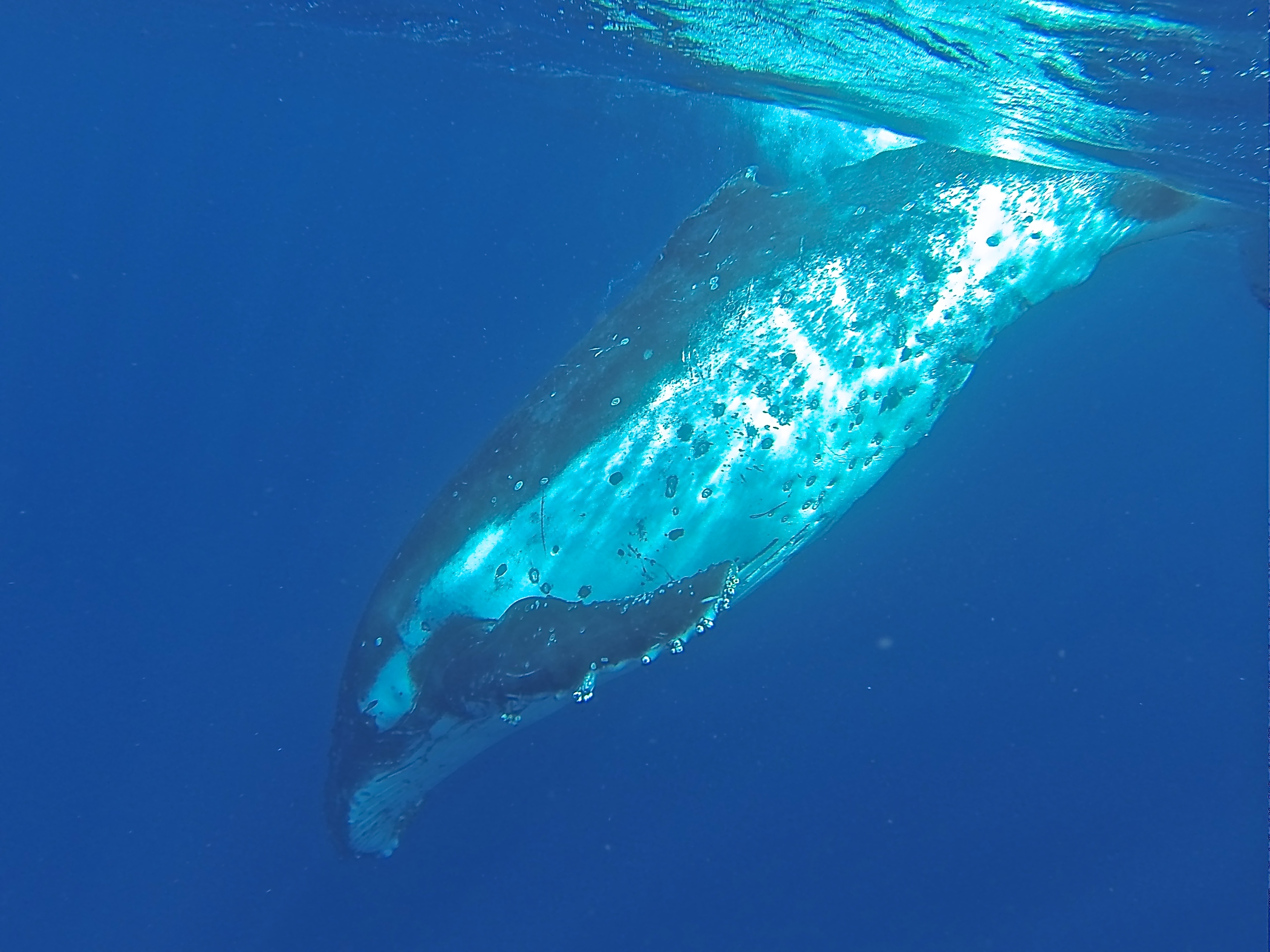
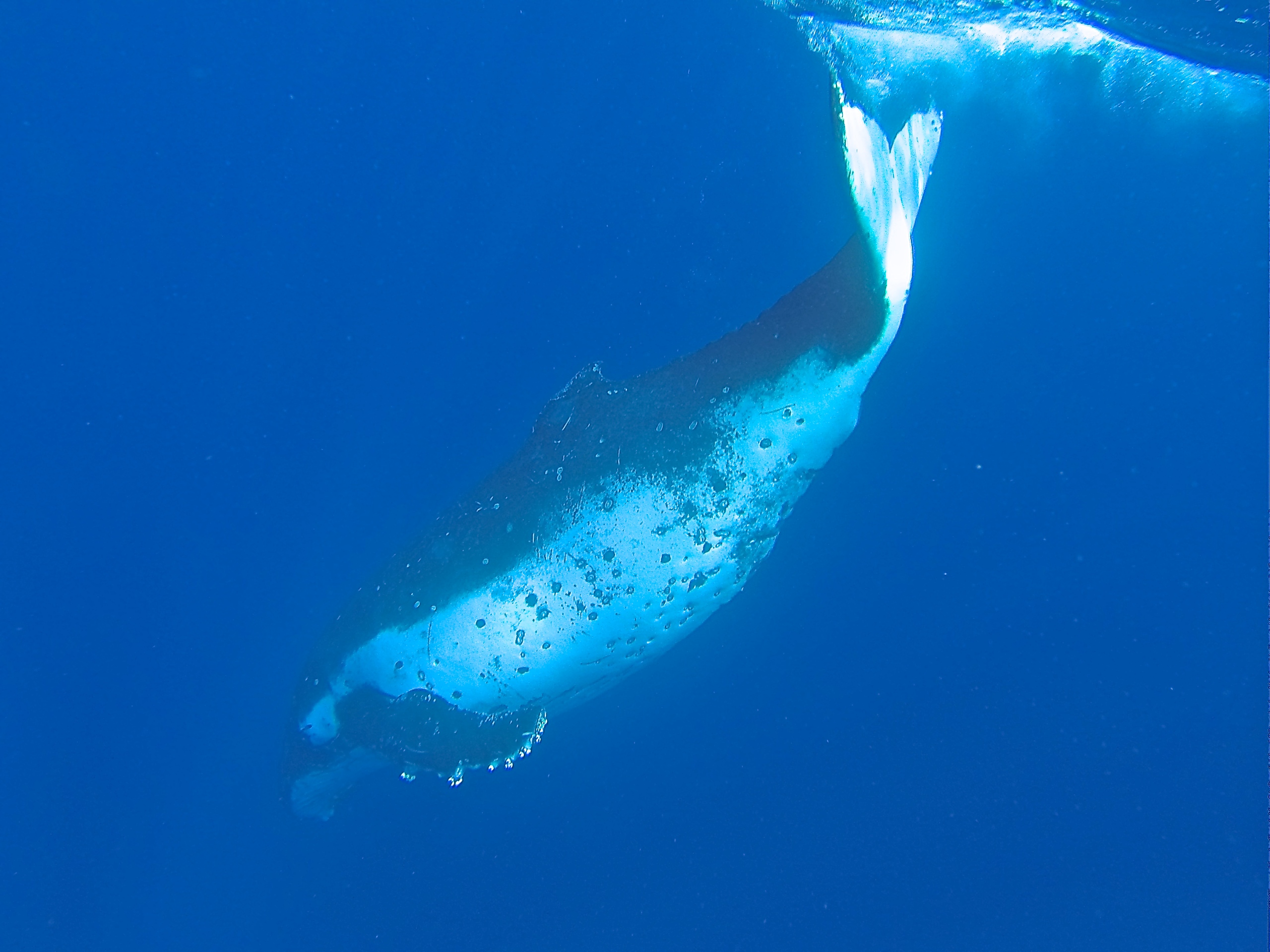
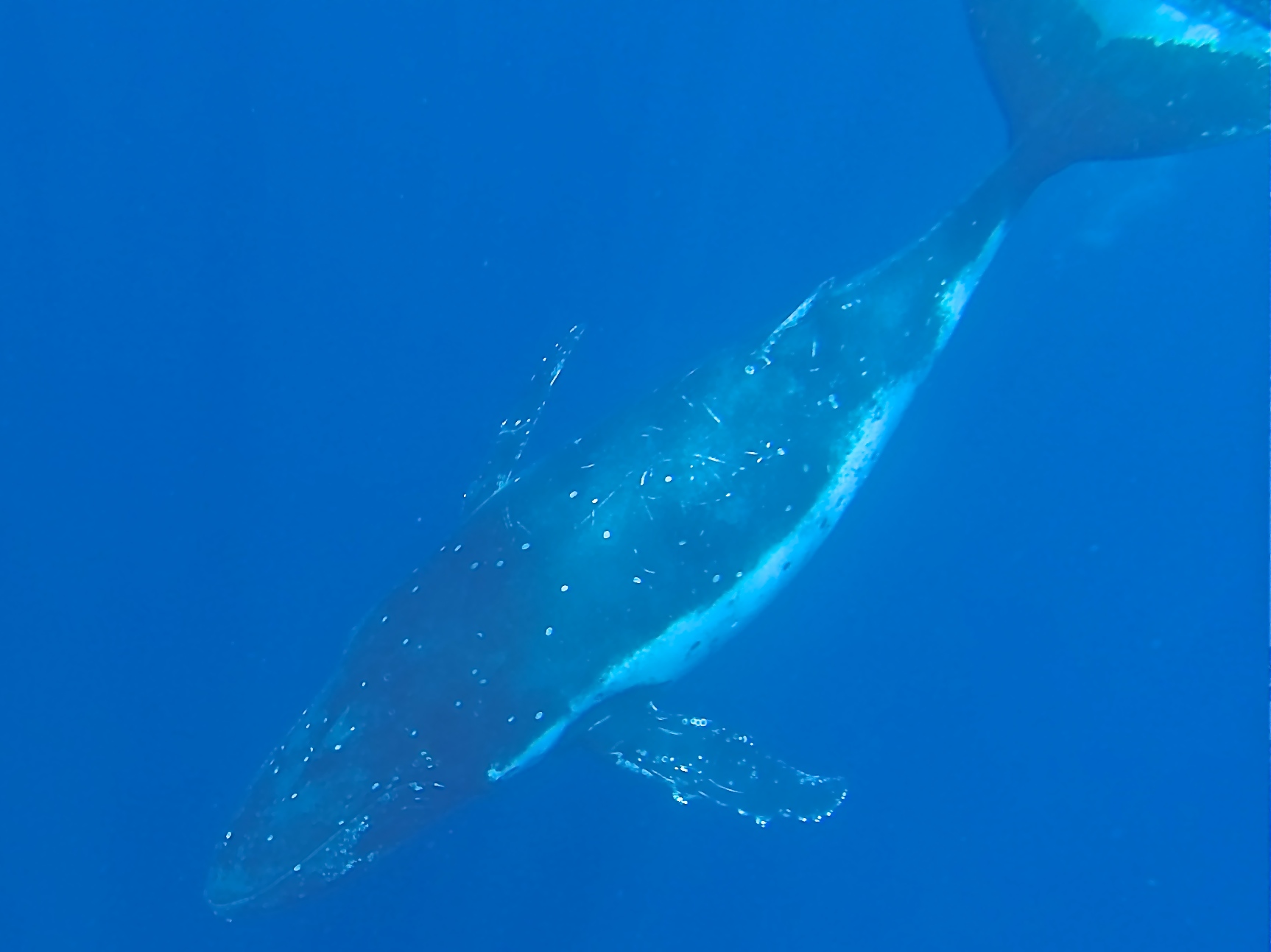
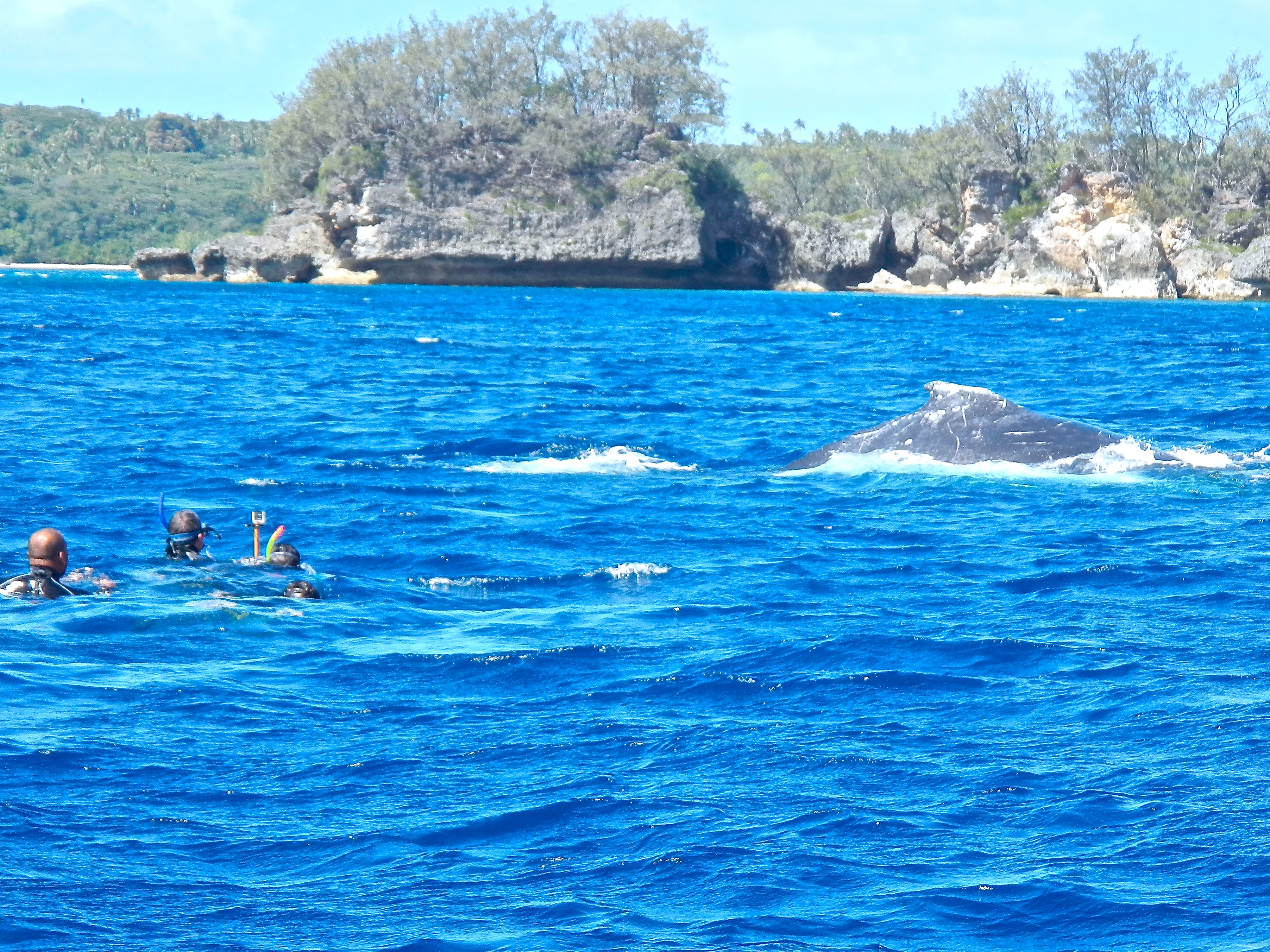
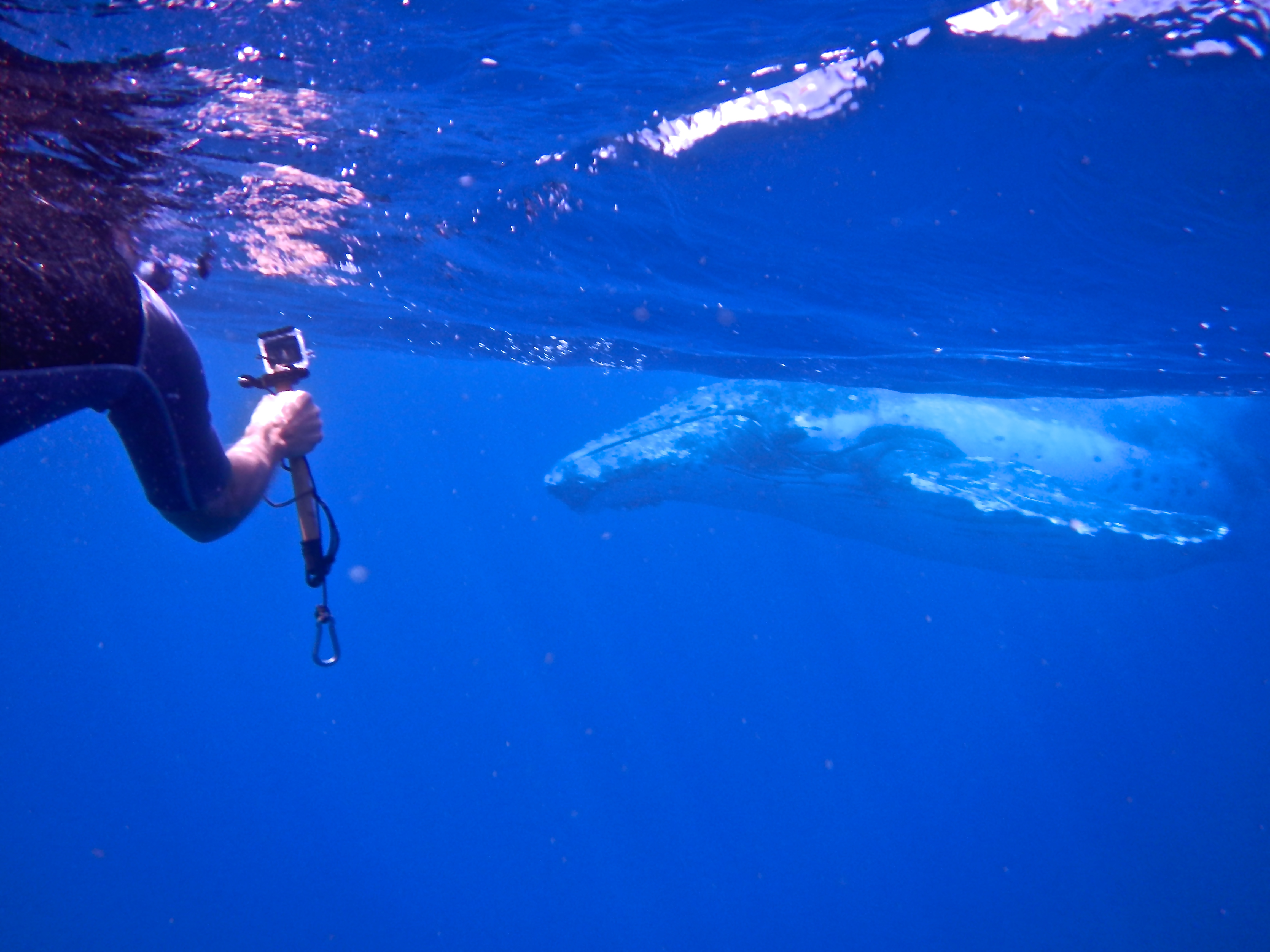
The whale boat came by our anchorage at 8am to pick us up, then sped away to some of their favorite whale sites. We spotted a few whales in the distance, but they disappeared before we reached them. After about 3 hours of searching, we finally got in the water near a pair of humpbacks but didn’t see them underwater before they dove off. This area was not protected from the wind so the waves made it difficult to snorkel without sucking in water. Soon after, we spotted a female with a young calf, and jumped in the water again, but didn’t get close enough before they swam away. I was starting to wonder if this whale swimming tour was going to be worth it ($1000 Tongan or $500US for the 3 of us). Finally, we spotted a juvenile male humpback surfacing about every 4 minutes. This is a sign that they are sleeping and half their brain is turned off, so they surface about every 4 minutes to breathe, then dive back down. We jumped back in the water and swam to where he last surfaced. The water was very clear so you could see him rising from about 50’. As he got closer to the surface, you realized just how big he was. He stayed on the surface for 5-10 seconds before slowing turning around to go back down. With a few strokes of his powerful tail, he got smaller and smaller until he disappeared into the abyss. We stayed around for 4 or 5 cycles during which time we rotated swimmers (a guide can only take 4 swimmers in the water at a time and there were 6 on the boat). It was an amazing experience and we got some good underwater photos and videos.
Up close to a juvenile male humpback whaleJuvenile Humpback swimming towards usDivingWhale tail waveHumpback Whale swimming below usIn the water with the whale guide on leftShooting video and pics with a GoProWatching a whale surfacing to take a breath
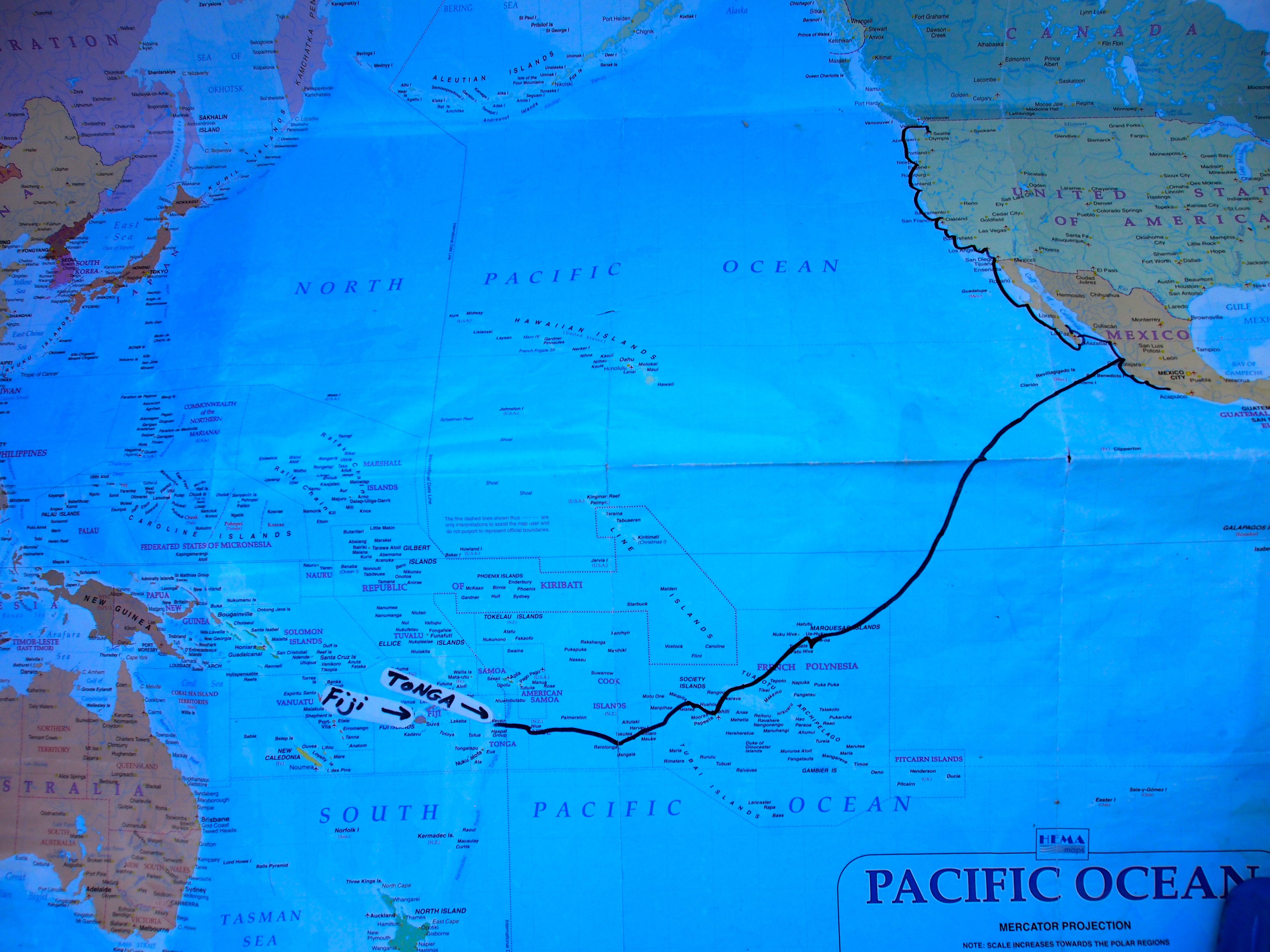
Sailing from Seattle to Australia in one year is a lot of sailing! We’re nearing the 10,000 mile mark and still have almost 3,000 miles to go to reach Sydney. Since arriving in the Marquesas with the Pacific Puddle Jump fleet in April, we have sailed ahead west on a faster pace than most boats, our timeline dictated by Karen’s leave of absence from work expiring at the end of September. Not wanting to rush through Tonga and Fiji, which are some of the best cruising grounds in the South Pacific, we decided to change the “plan”.
The new plan is to keep Apropos in Fiji during the cyclone season (November through April) and fly back to Seattle in mid-September. Fiji is at 17 deg 40 min latitude south, and 177 deg 20 min longitude east, right in the middle of the cyclone belt. But Vuda Point marina, on the SW side of Viti Levu island in Fiji, has cyclone pits—long trenches that are dug in the ground for lowering the keel into with tires stacked up along the sides to keep the boat upright. We researched it and contacted friends from Seattle who kept their boat there, and it sounds like a good option. They have strict rules about removing things from the deck (canvas, sails, solar panels—basically anything that can blow away) so that if a cyclone does pass by, flying projectiles will be kept to a minimum. Having the boat out of the water has its pluses and minuses, but as far as surviving a storm, its the best option. Of course, all bets are off if hit directly by a category 5 cyclone.
Although there is some risk in doing this, we believe it’s the best option and will allow us to spend a few more weeks in Tonga and a whole month cruising in Fiji. Our boat insurance company has also approved the new plan, which has me returning to Fiji in April and sailing the boat back to Seattle via Hawaii. I’ll have 2 crew positions open if anyone is interested (more on that later)!
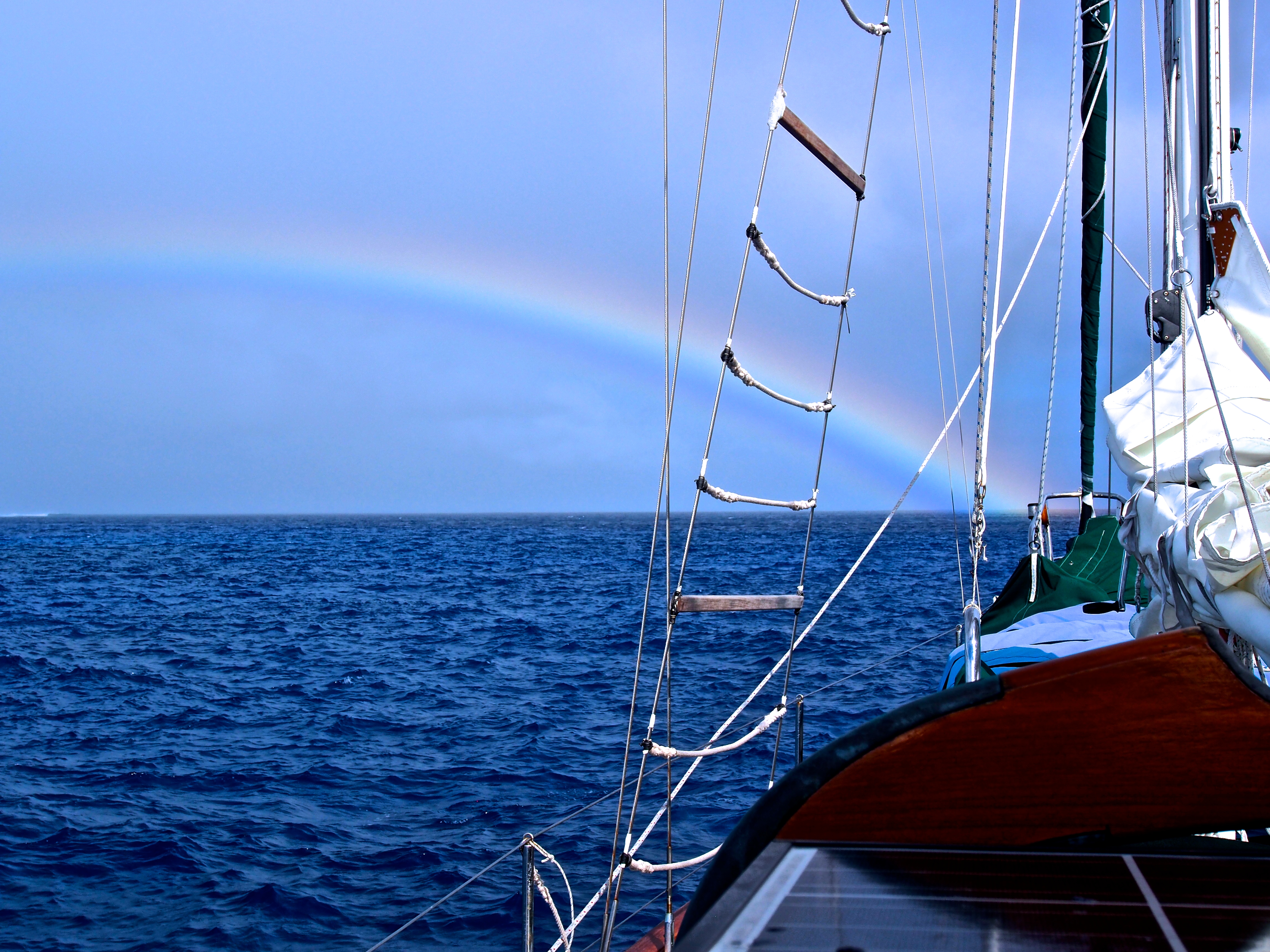
We sailed the entire way from Niue to the Vava’u group in the Kingdom of Tonga. It was a nice 2-day downwind sail with winds averaging 20 knots and seas a bit rought at 10 feet. We were within visual sight of SV Brahminy and within AIS signal of SV Panthera the entire way, and we kept in contact with both on the VHF radio. During the 2-day sail, we experienced a few squalls accompanied by some amazing rainbows. We also spotted a humpback whale a few boat lengths in front of us prompting us to change course. It next surfaced behind us and performed a beautiful show of several breaches. The seas were still rough as we rounded the Vava’u group from the north. We motored the last few miles to the village of Neiafu, the check-in point for the Vava’u group. It was still gusting to 20 knots making the customs wharf too difficult to use, so we anchored alongside and dinghy’d in to meet customs, health, and agriculture officials for clearing into Tonga.
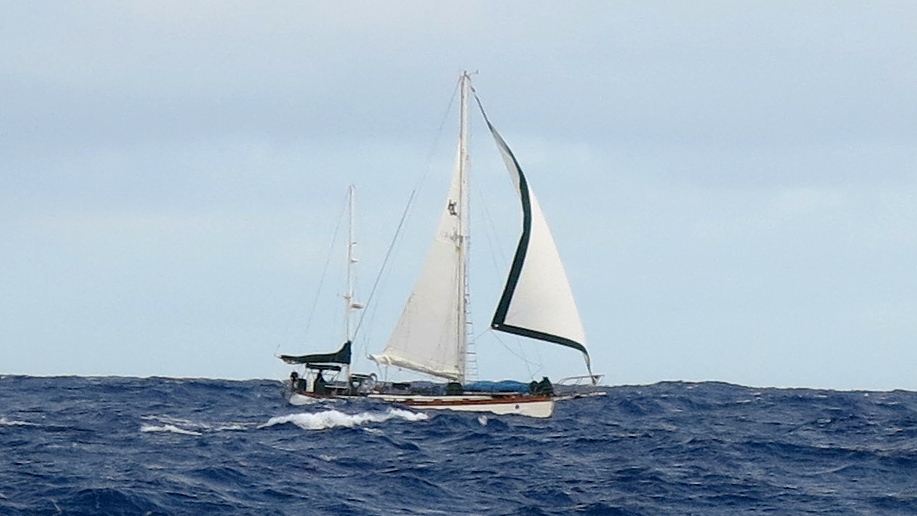
An Approaching Squall at SeaRough SeasTaking on water over starboard gunnelCalm evening sunset after the squall passedRainbow at SeaSV Apropos taken from SV Brahminy
The Vava’u group is 1 of 3 groups of islands that make up the Kingdom of Tonga. It consists of dozens of islands spread out over an area of 250 square miles. There are 42 anchorages with names that are so hard to pronounce that they simplified it by numbering them 1-42. The main town of Neiafu is the center of activity and where most cruisers initially go. There are restaurants, a nice market, churches, bakeries, grocery stores, banks, etc. The other islands are either uninhabited or have very small villages. We used Neiafu as our home base and made several excursions to other anchorages throughout the group.
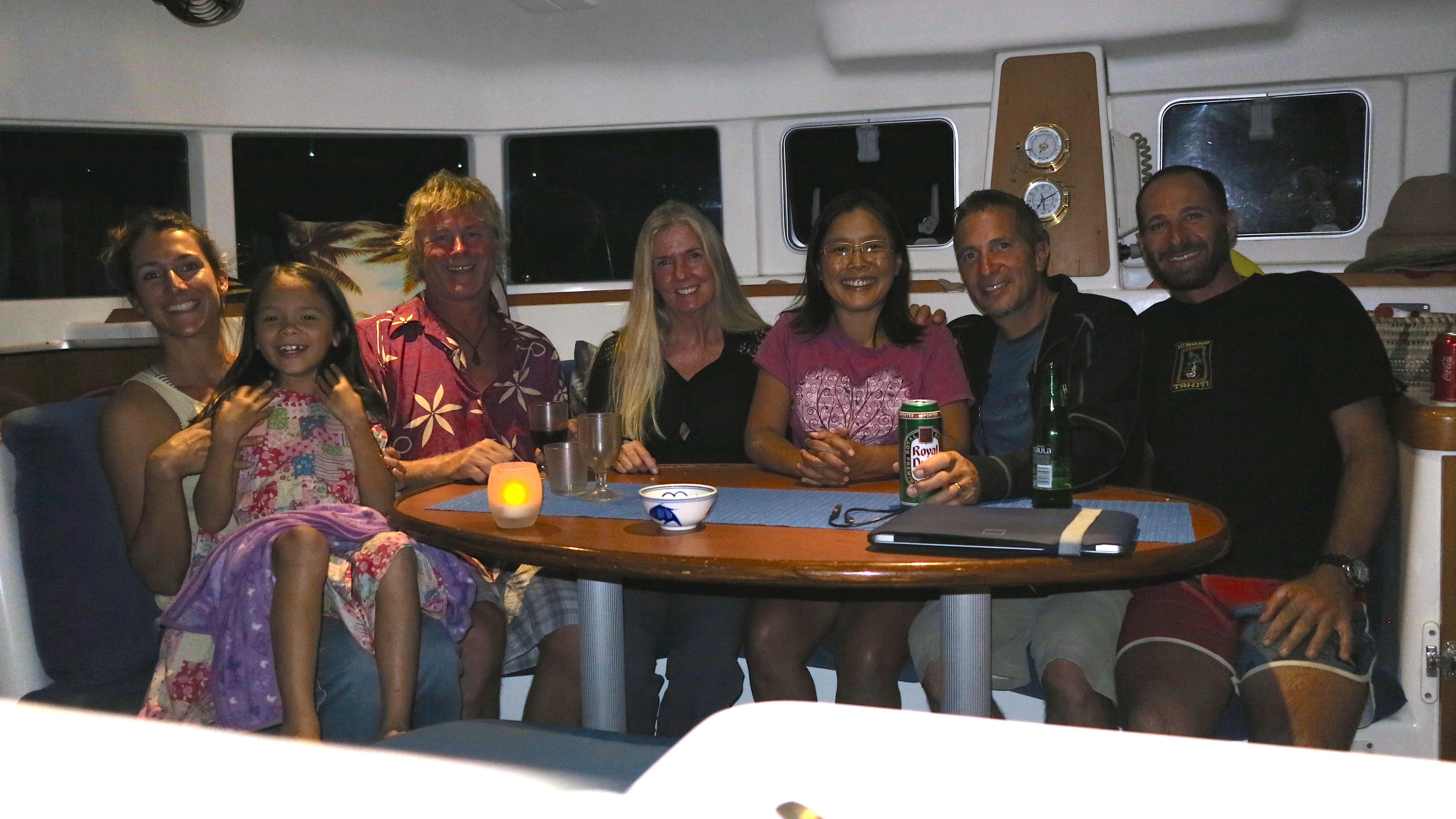
One of the best things about cruising is getting together with other boaters. We had a fantastic dinner aboard SV Brahminy with Dan & Sara who caught a nice Yellowfin tuna coming into Tonga. Richard & Geri from SV Panthera also joined us, then we all went to our boat for dessert—a peach crumble that Karen had made. Jacintha finally got to use the maps she had drawn of Apropos months ago, handing them out to everyone while giving them a tour of our boat.
Dinner on SV Brahminy
Tonga is an amazing cruising ground. Sort of like the San Juan and Gulf Islands in the Pacific Northwest, but with palm trees and warm water. Here are some highlights of our stay in Tonga:
Kava and Ukulele
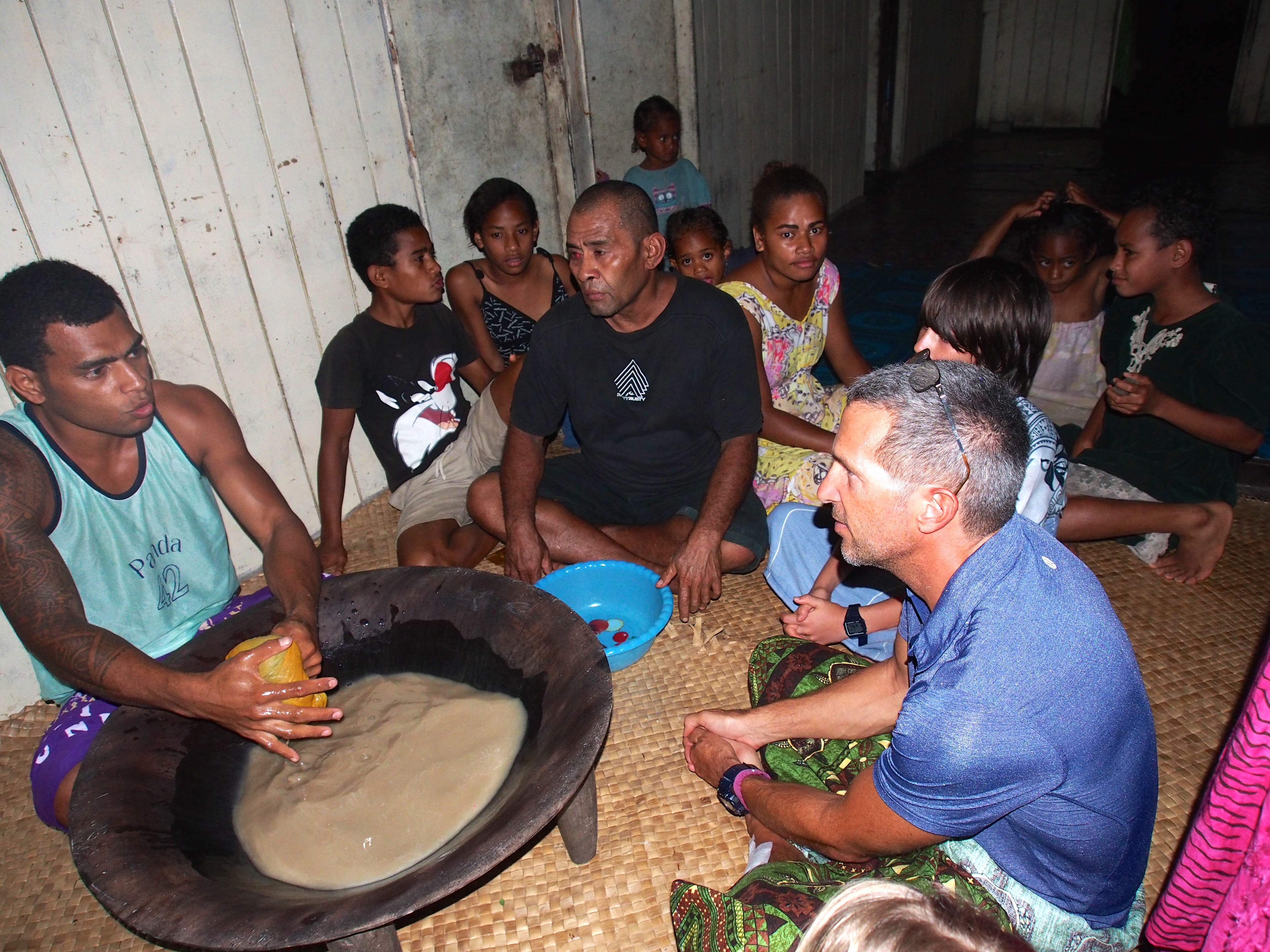
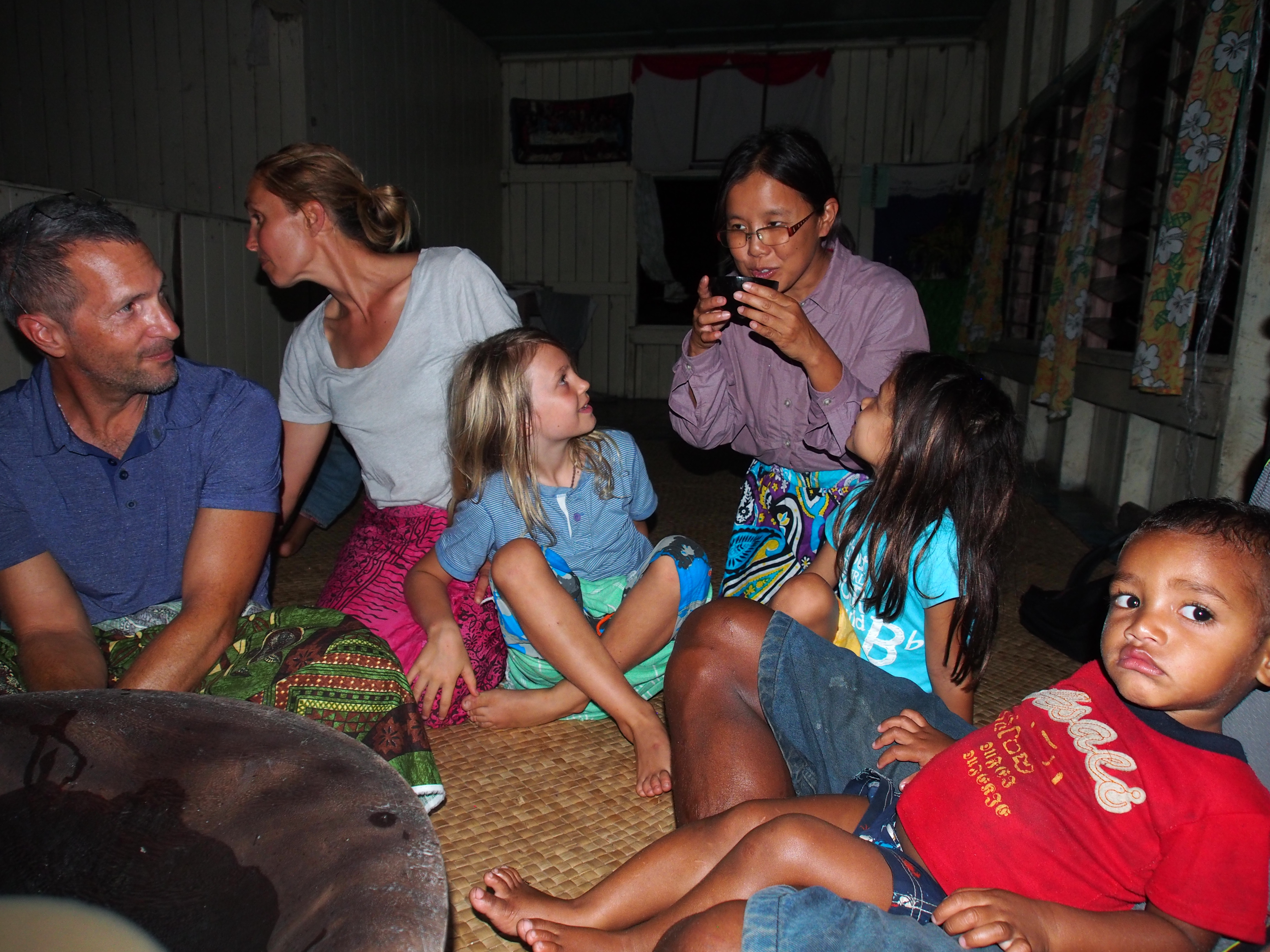
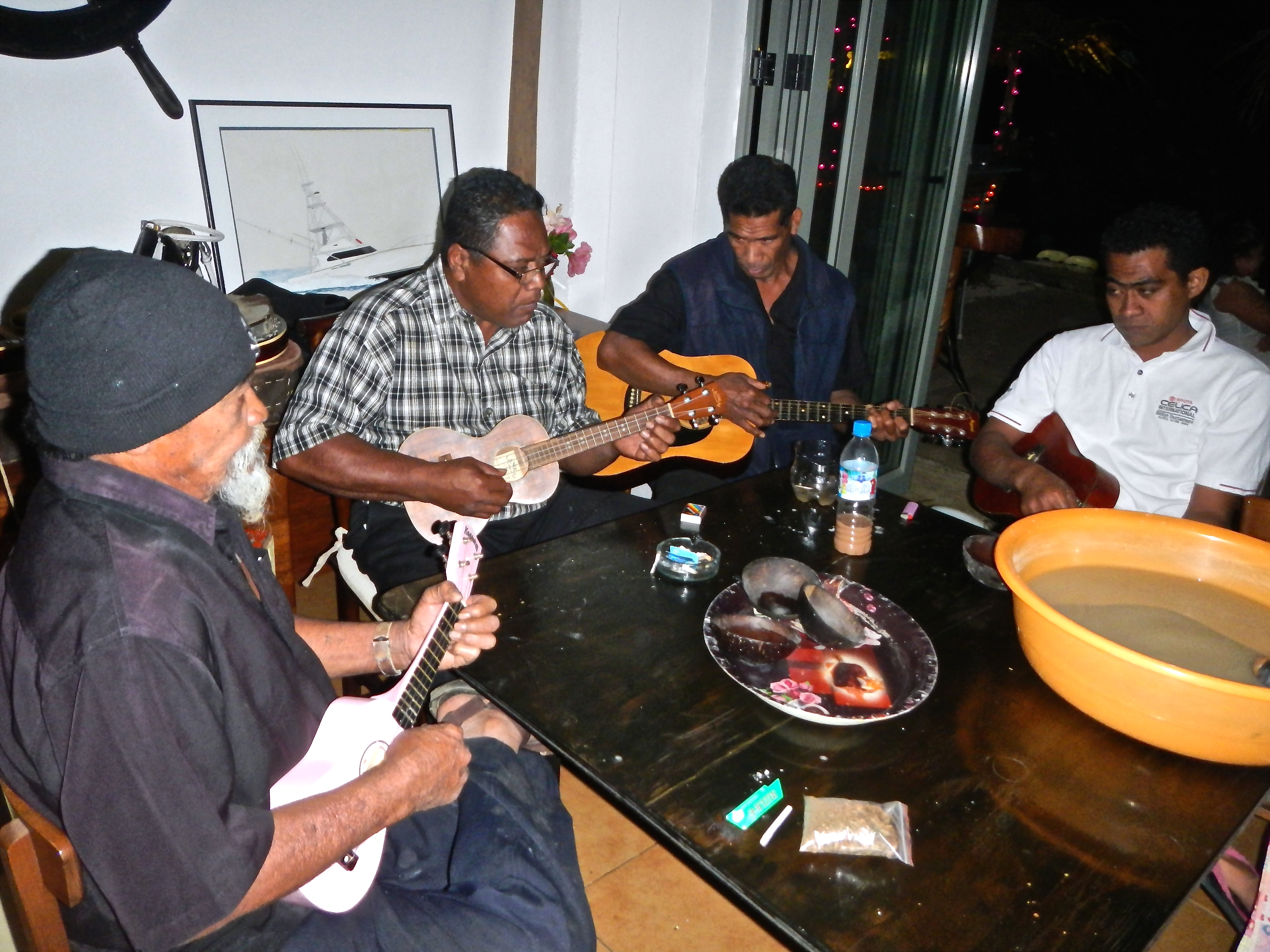
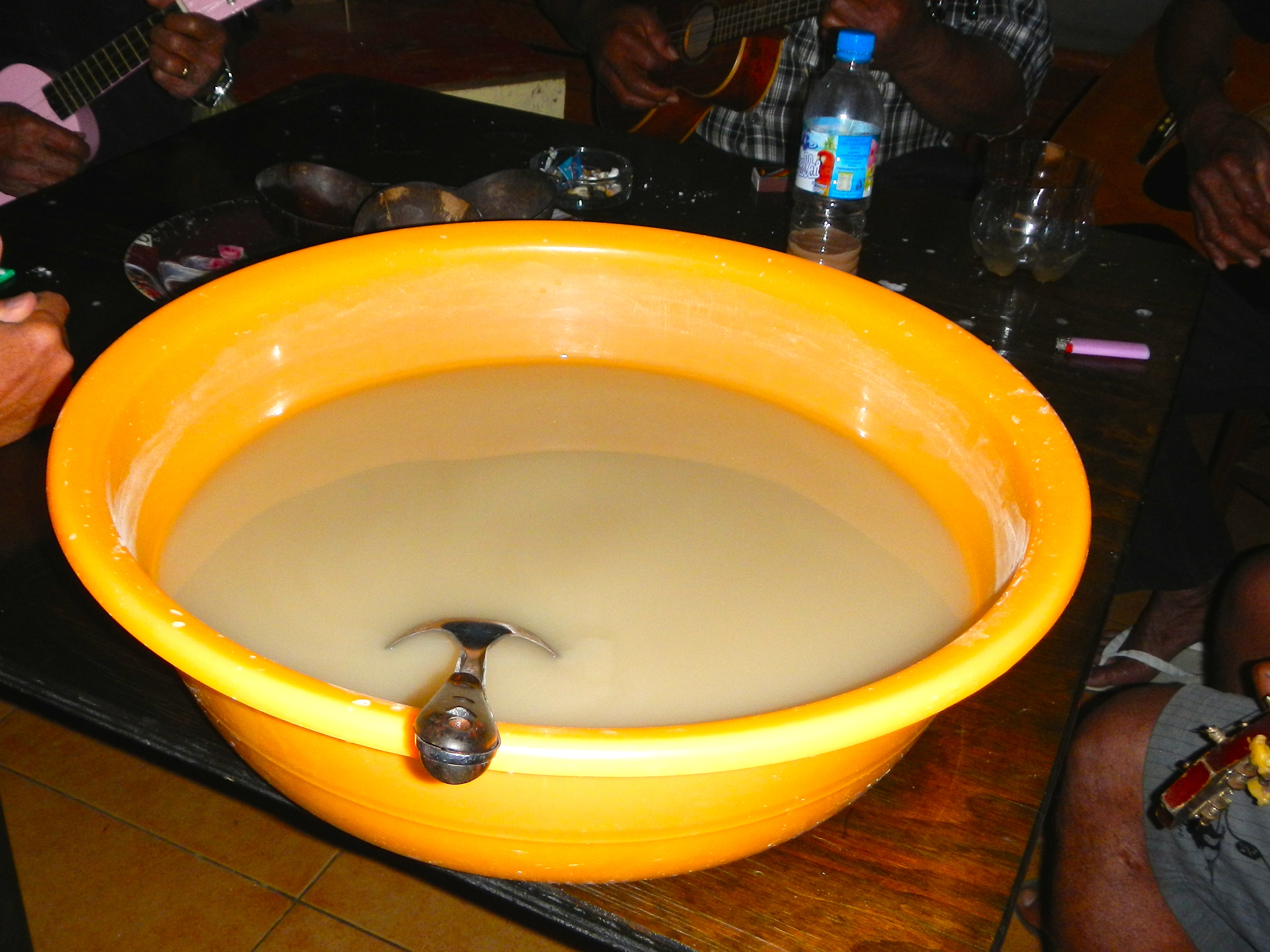
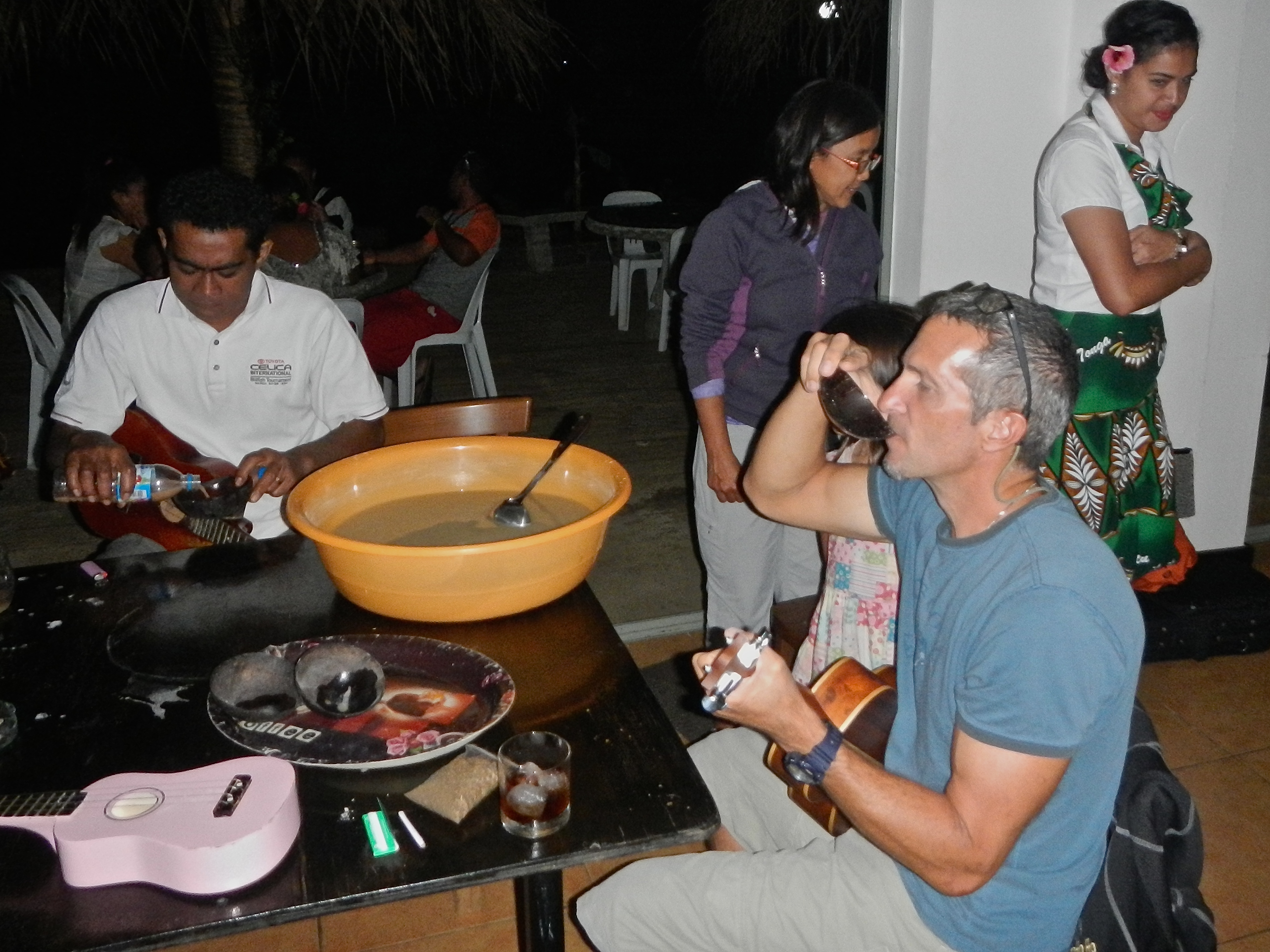
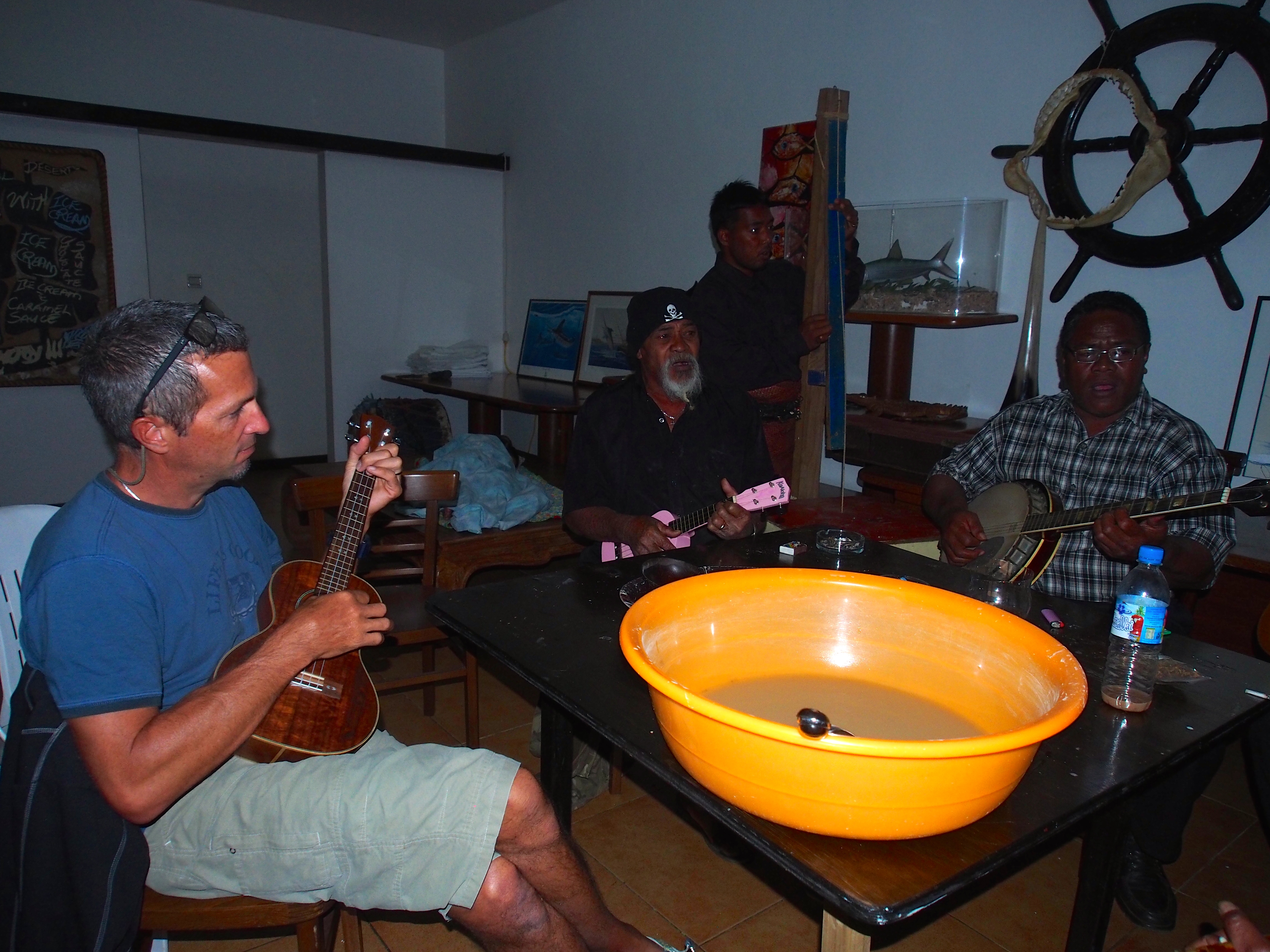
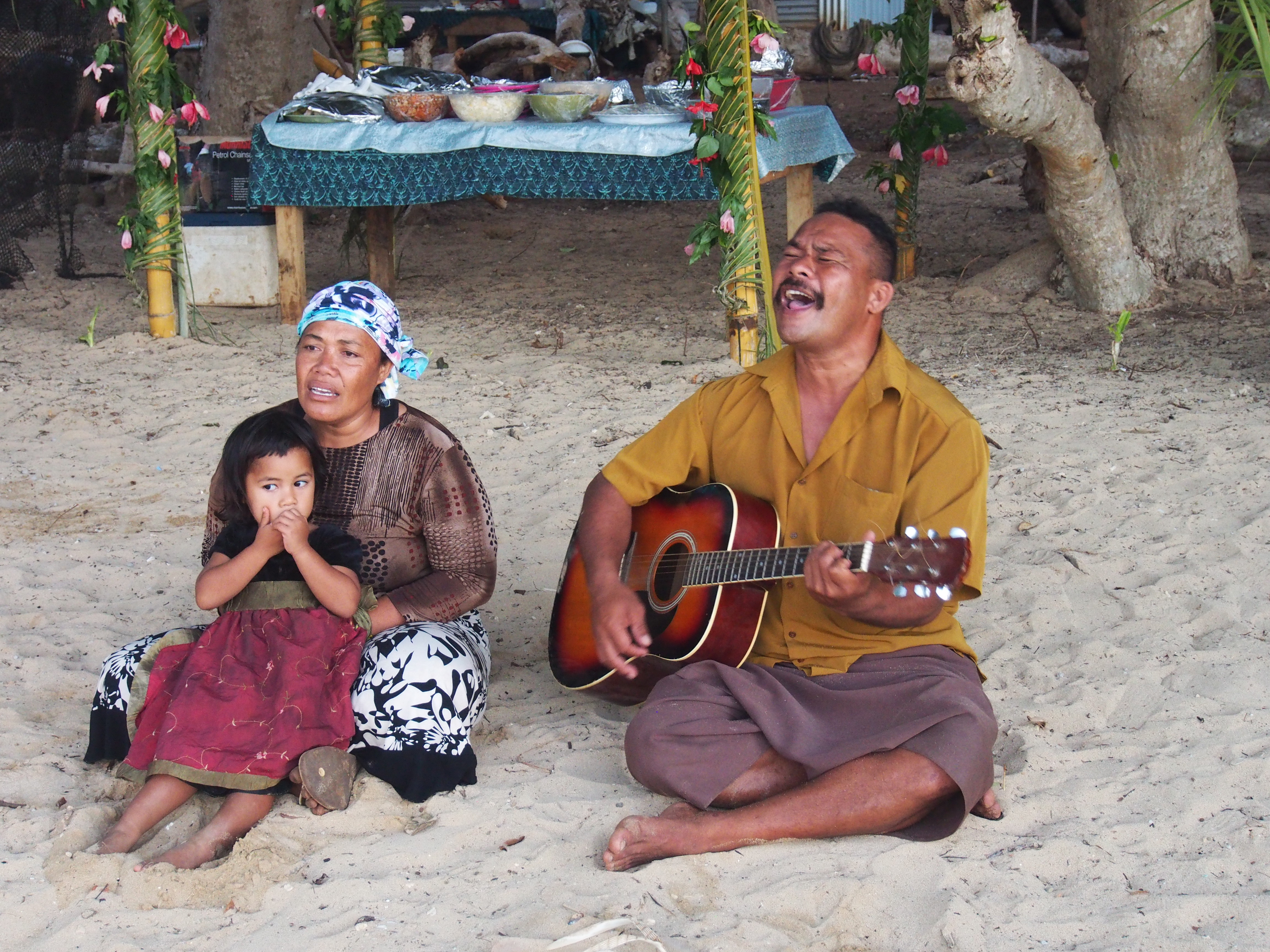
One evening we took the dinghy to shore where we knew there was going to be a band called The Strings playing guitars and ukuleles. I brought my ukulele along and soon was sitting around a table playing Tongan music and drinking kava. Kava is a Tongan tradition enjoyed only by men and served by women. At the end of each song, wooden sipping bowls were filled from a huge yellow bowl of kava and passed around to each player. I’ve never drank kava before but heard about its tongue numbing, mellow/happy feeling effects. After about the 4th song, I was happy and numb! They sang and played traditional Tongan songs (mostly with 3 or 4 chords so I was able to strum along on my uke) until the kava was gone. I figured in the course of 2 hours I drank about a gallon of kava! Karen was the designated kava server, getting instructions from the guys to “stir it more” and “two scoops per bowl”. Jacintha fell asleep and the restaurant staff gave her a blanket and let her lie down on a table. After the last ounce of kava was drunk at around 11pm, we dinghy’d back to our boat where I slept great—and felt fine the next morning!
The Strings BandKava BowlKaren Serving the KavaAfter every song….The Strings band (plus 1)
Matamaka
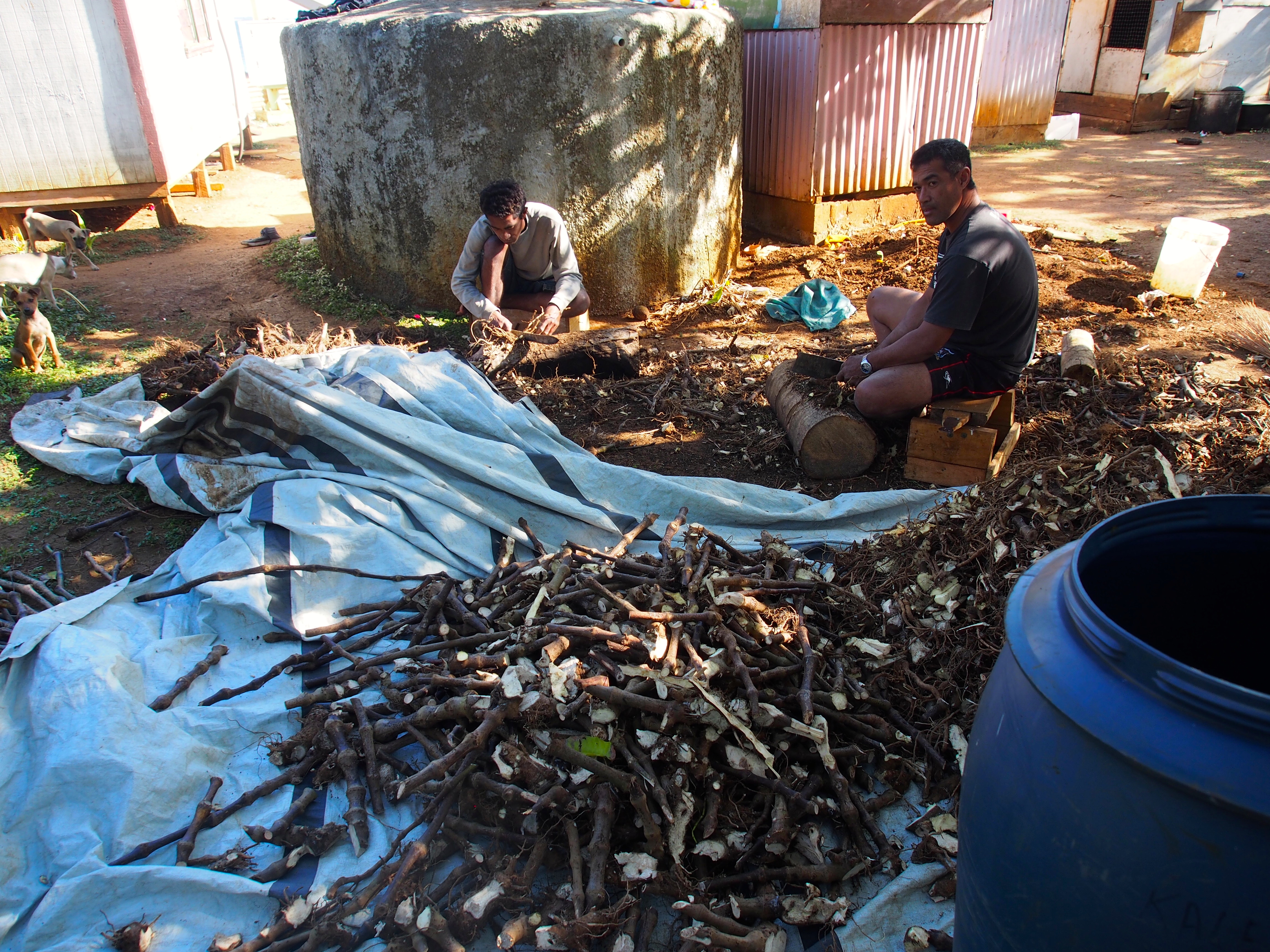
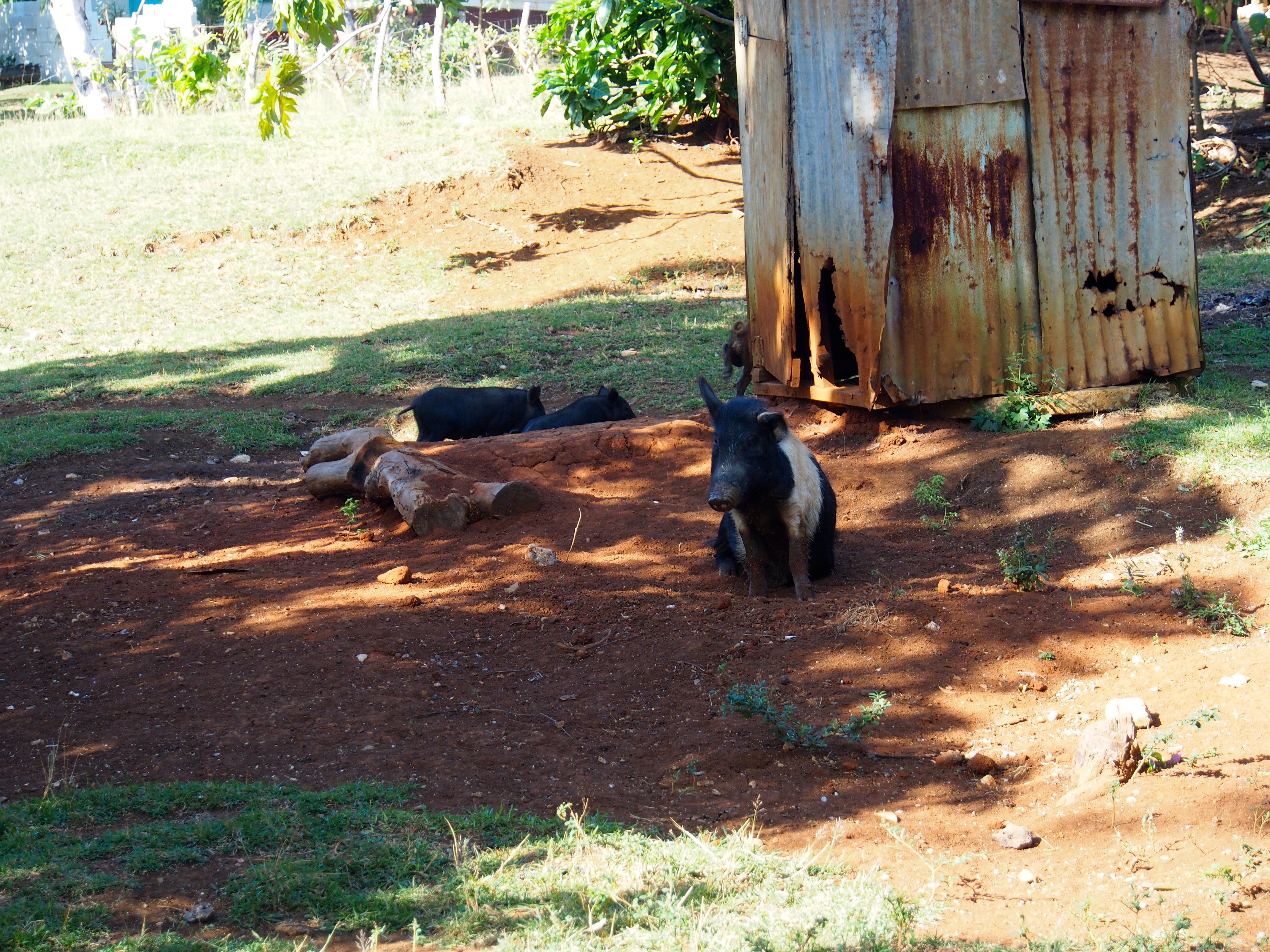
The tiny village of Matamaka (anchorage #15) is a 2 hour sail from Neiafu. We went there after reading about their small elementary school that welcomes cruising kids to join them for a day of school. After tying to a mooring buoy, we walked to the 2-classroom school to meet the teacher and ask if Jacintha could attend the following day. There were 2 classrooms, one for 8-9-10 year olds, and one for 5-6-7 year olds. The principal introduced us to both classes and welcomed Jacintha to join them the following day starting at 8:30am. We then walked around the village of a dozen or so homes, most with gardens and fenced-in areas for pigs. We stopped to talk to 2 men who were chopping up kava root. One of the girls we met earlier in the older classroom gave Jacintha a book and a small plastic toy. She was very sweet and declined our offer to bring her a book the following day. Back at the boat, Jacintha was very excited to be going to school the next day and even went to bed early but couldn’t sleep!
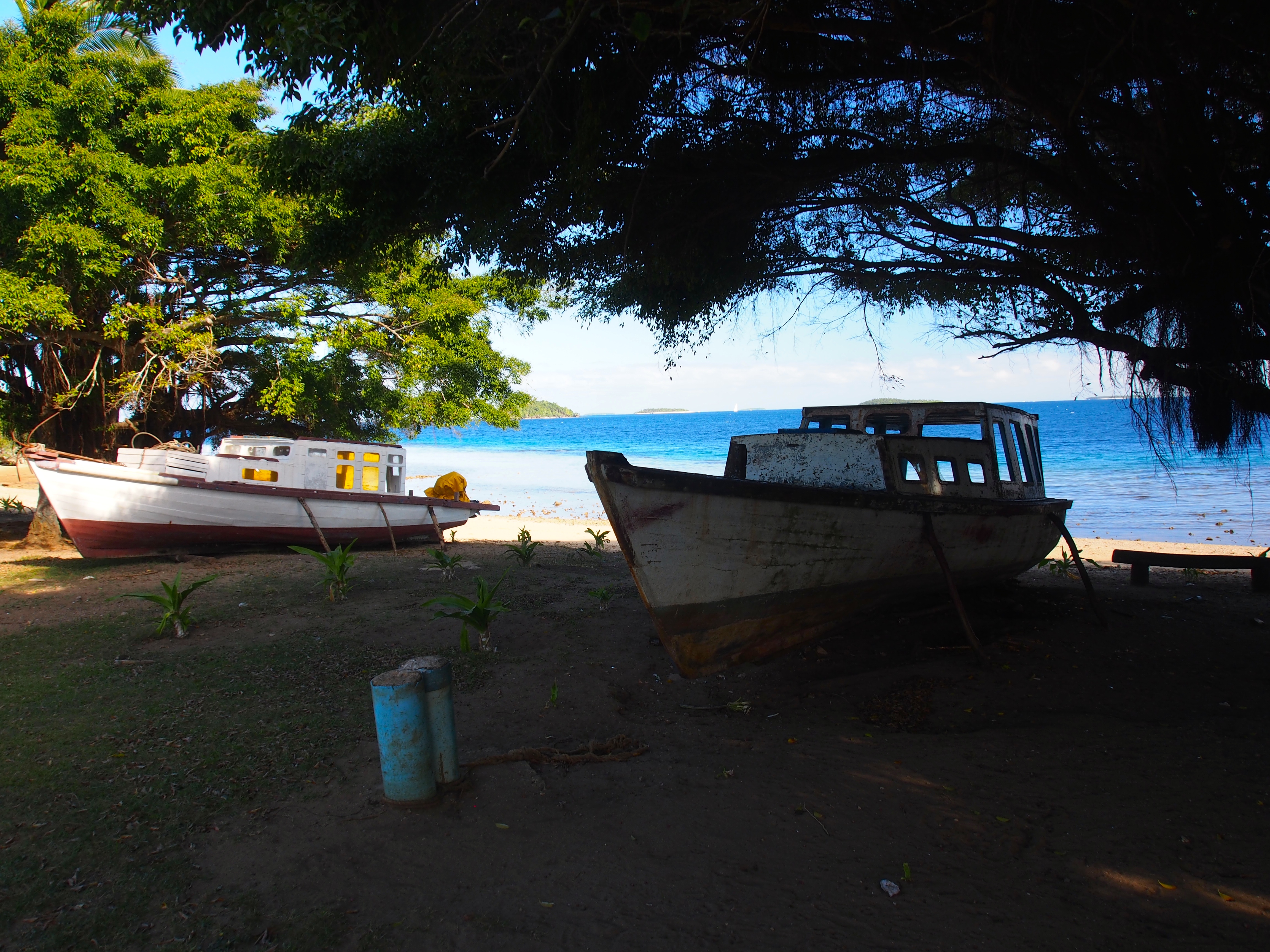
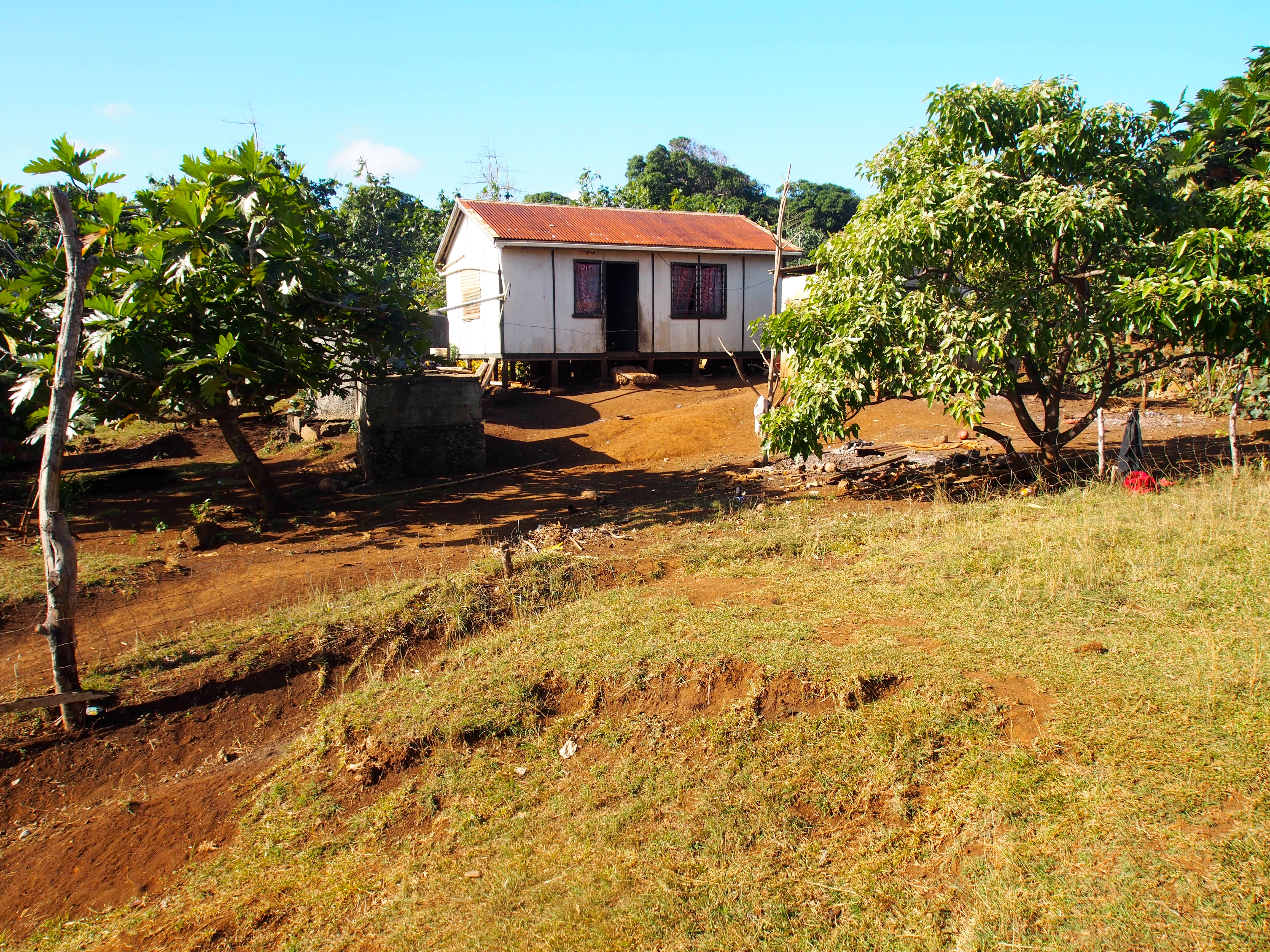
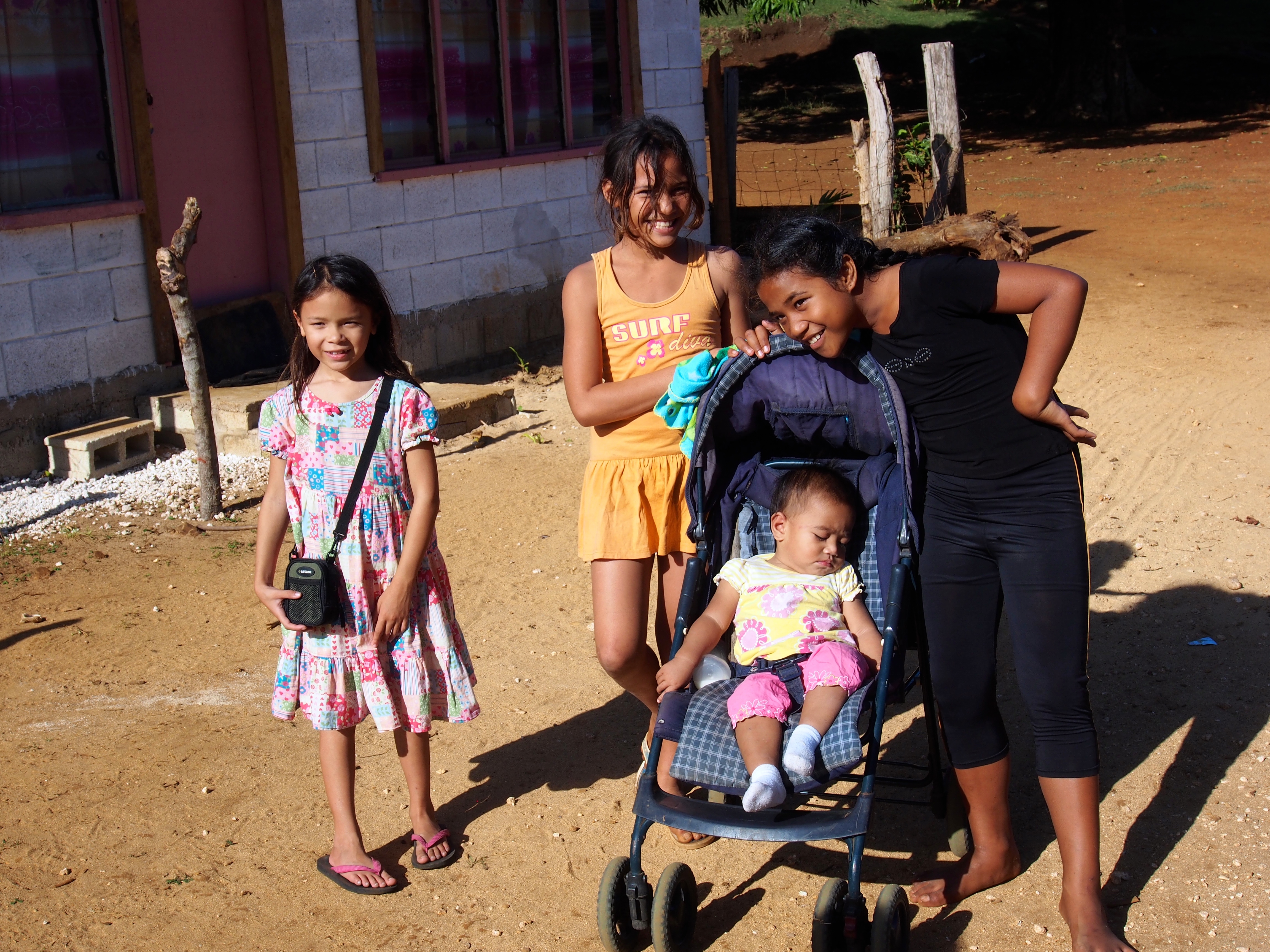
Local’s boats for going to townHouse on MatamakaMen chopping up kava rootPigsGirls in Village of Matamaka
A Day at School
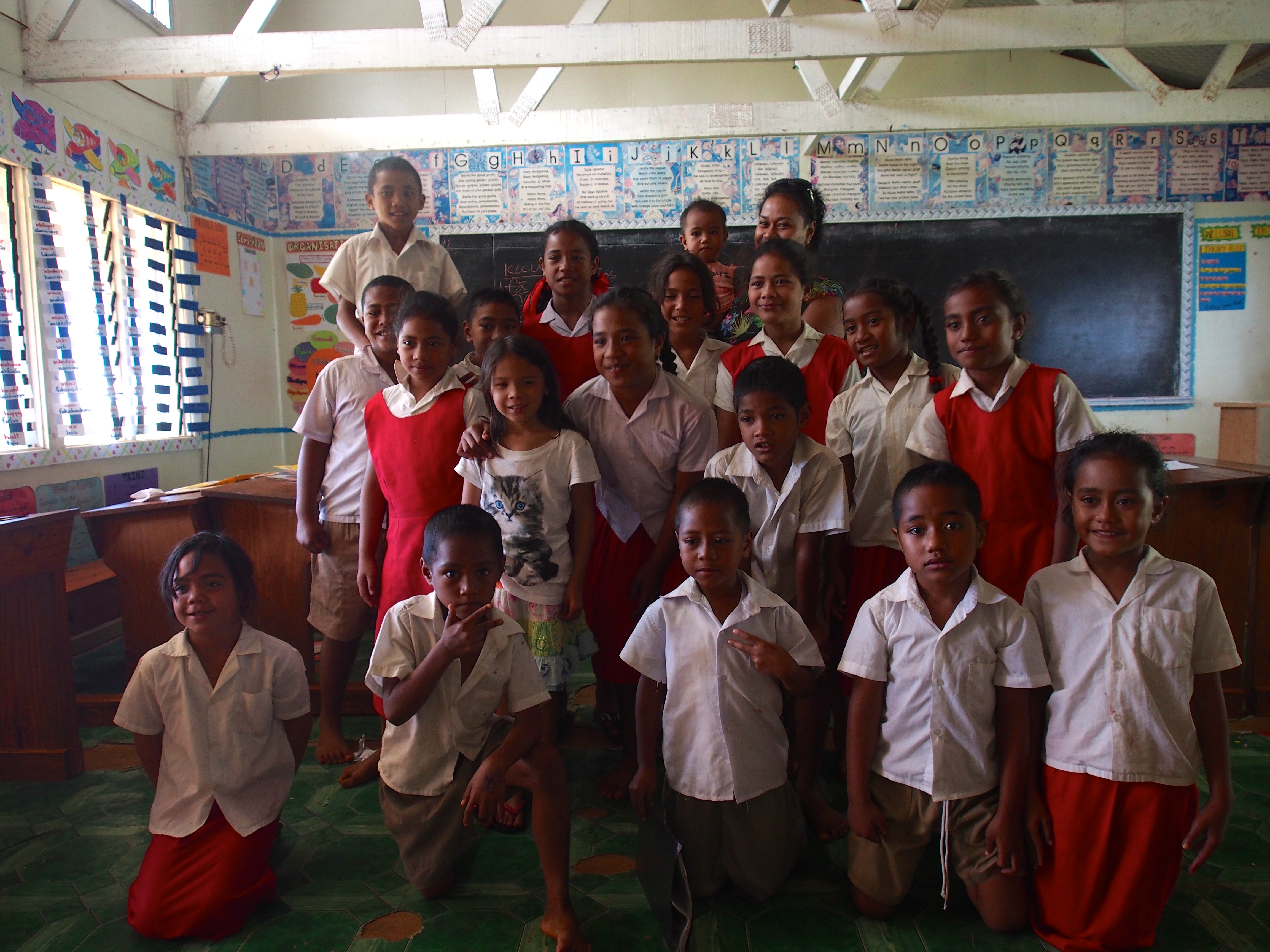
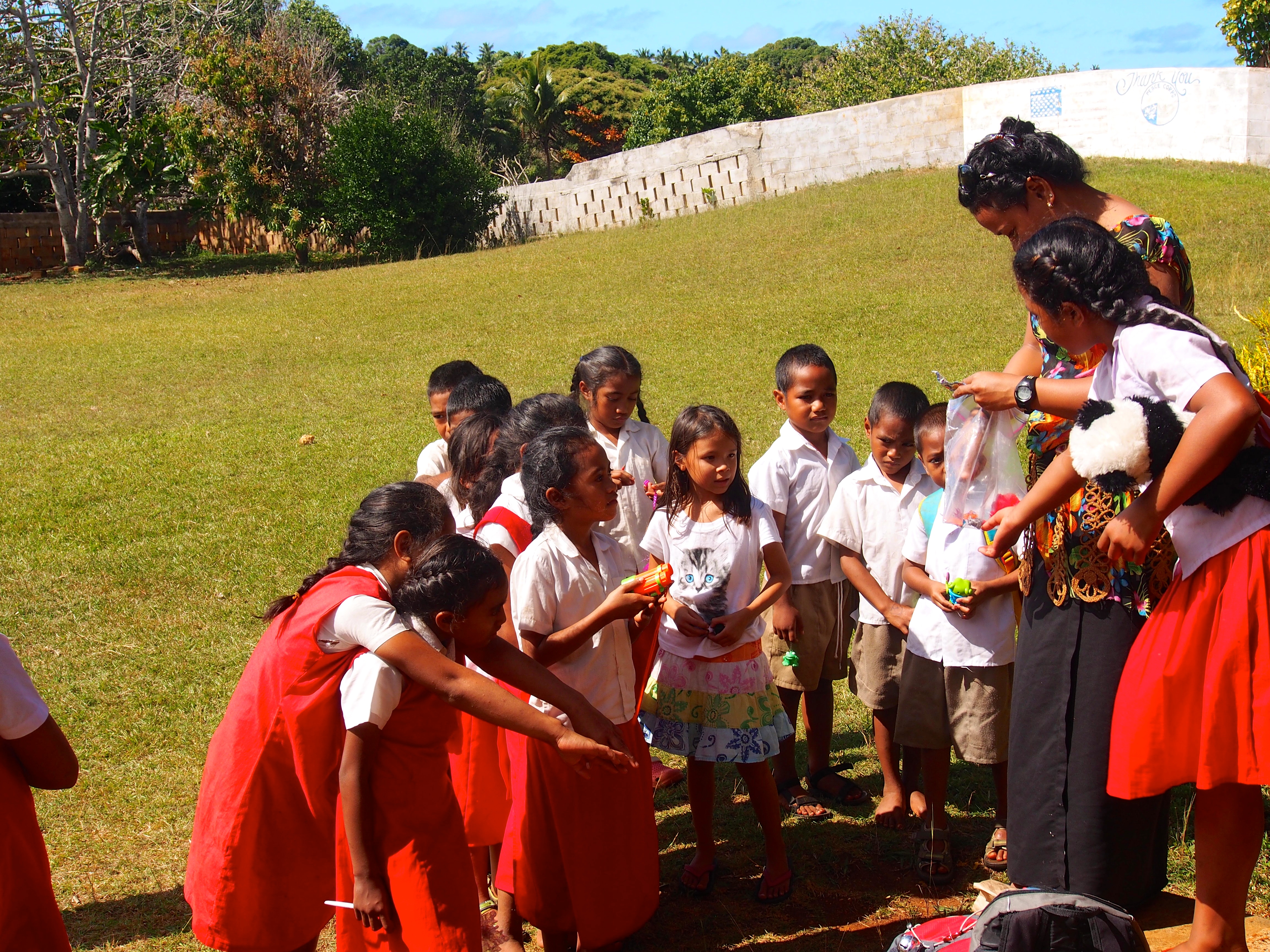
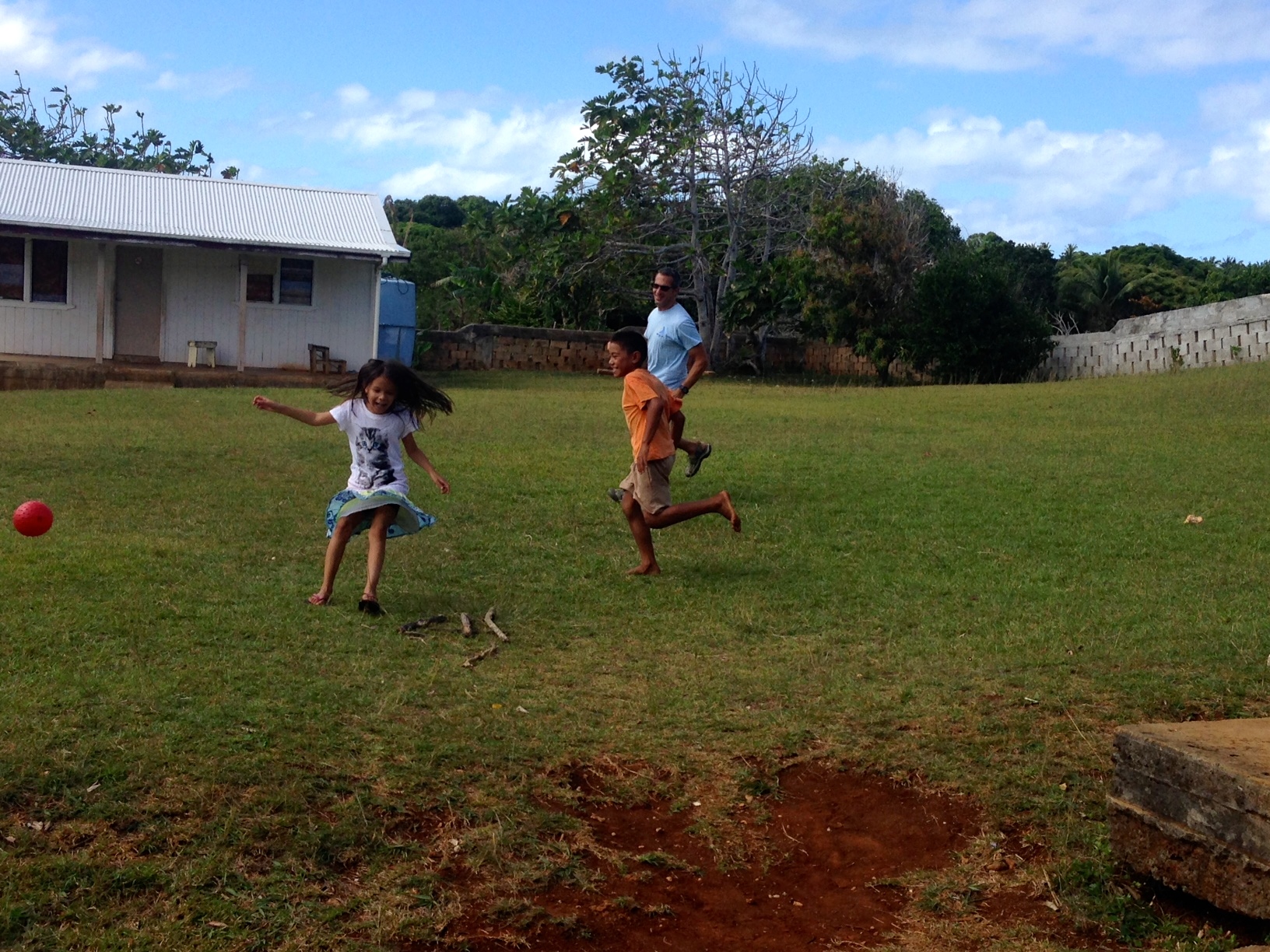
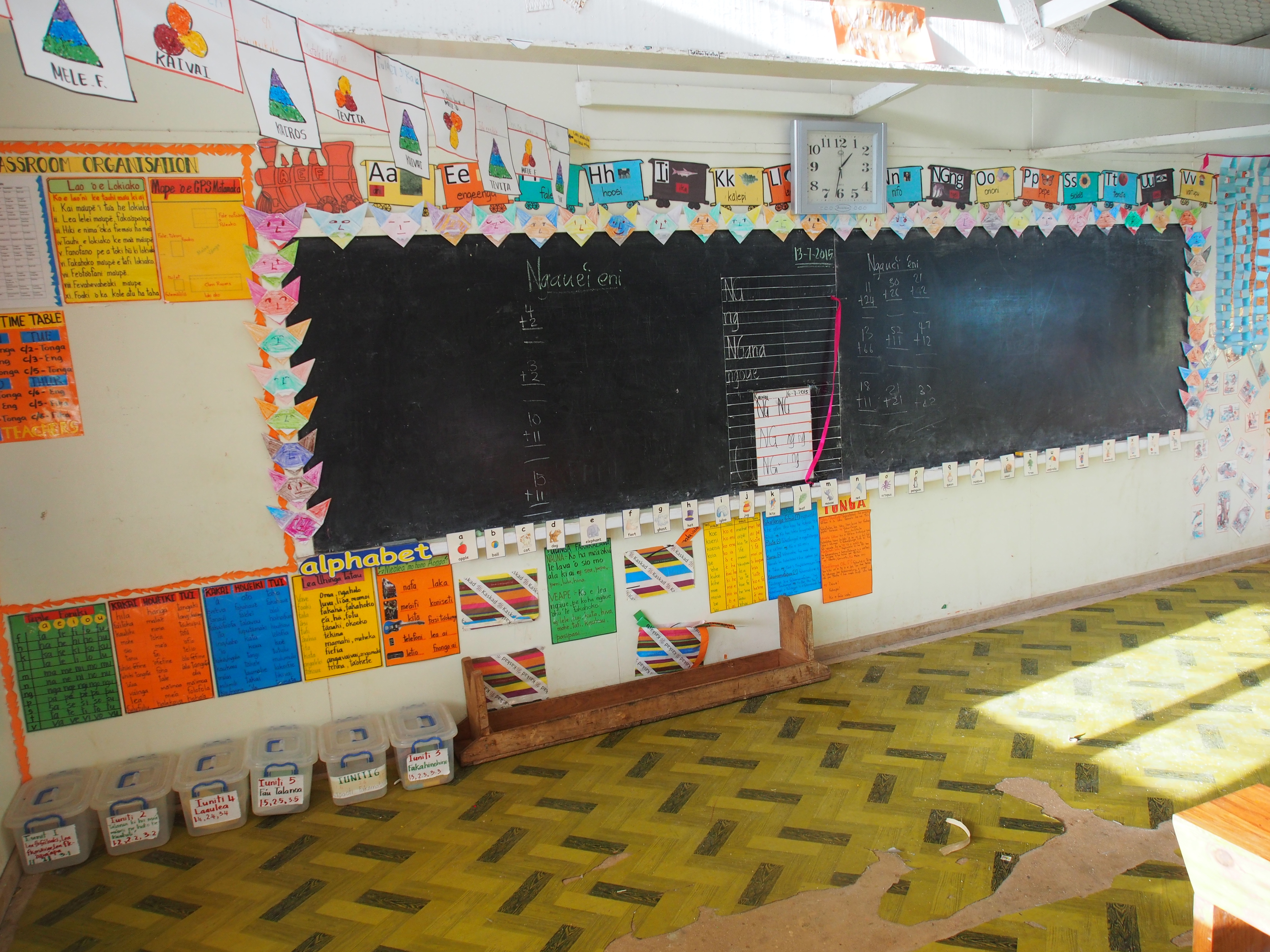
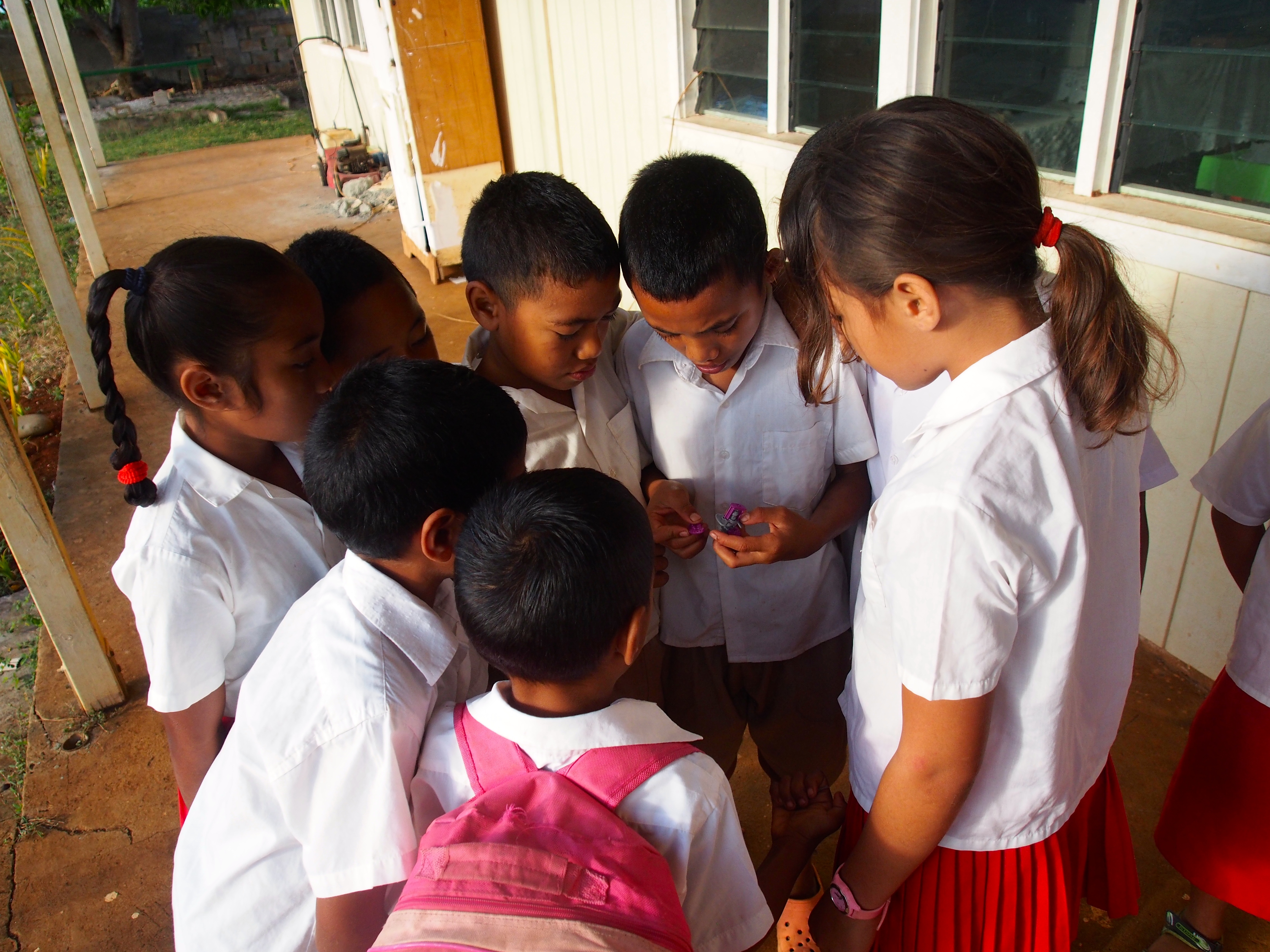
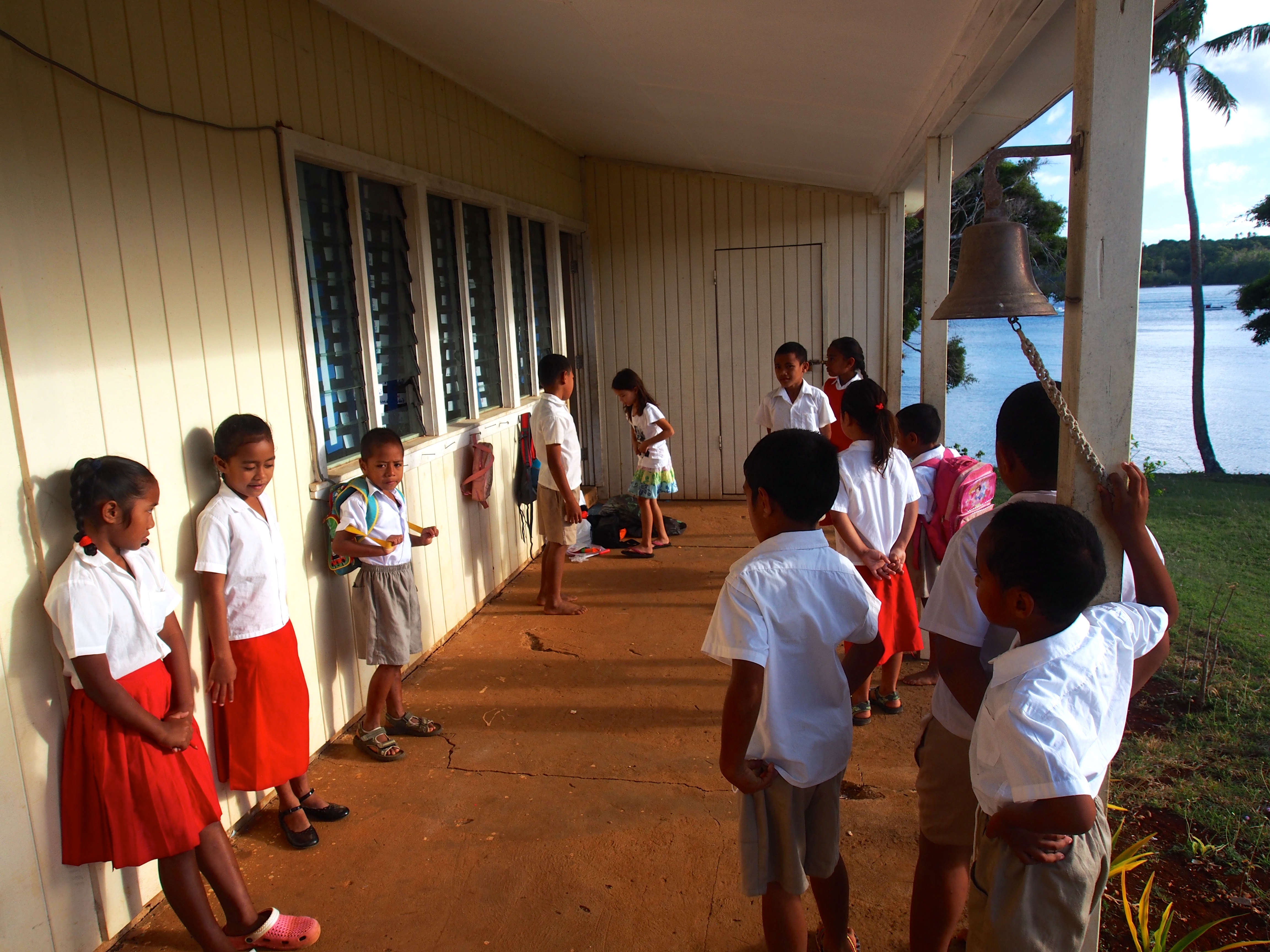
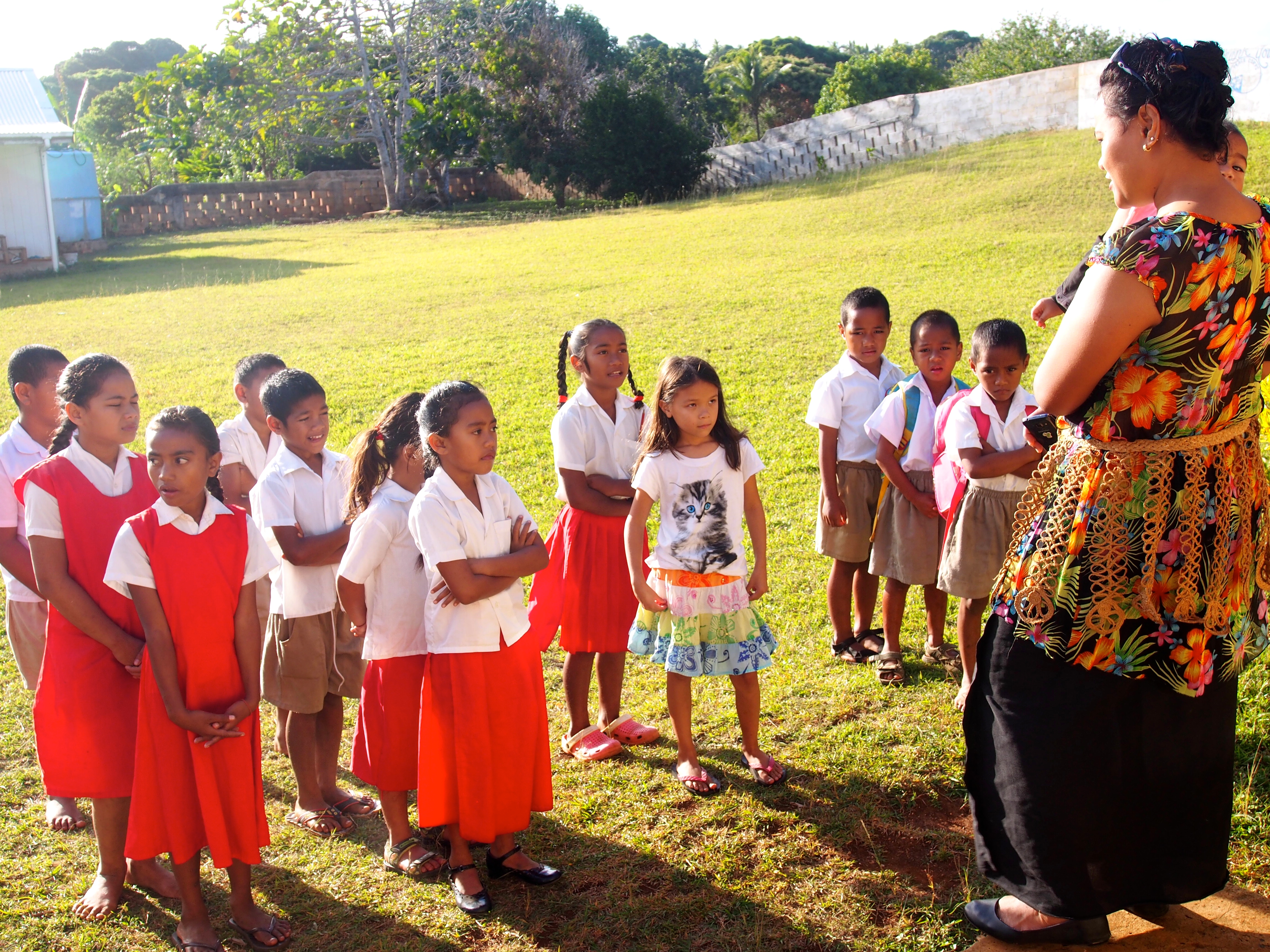
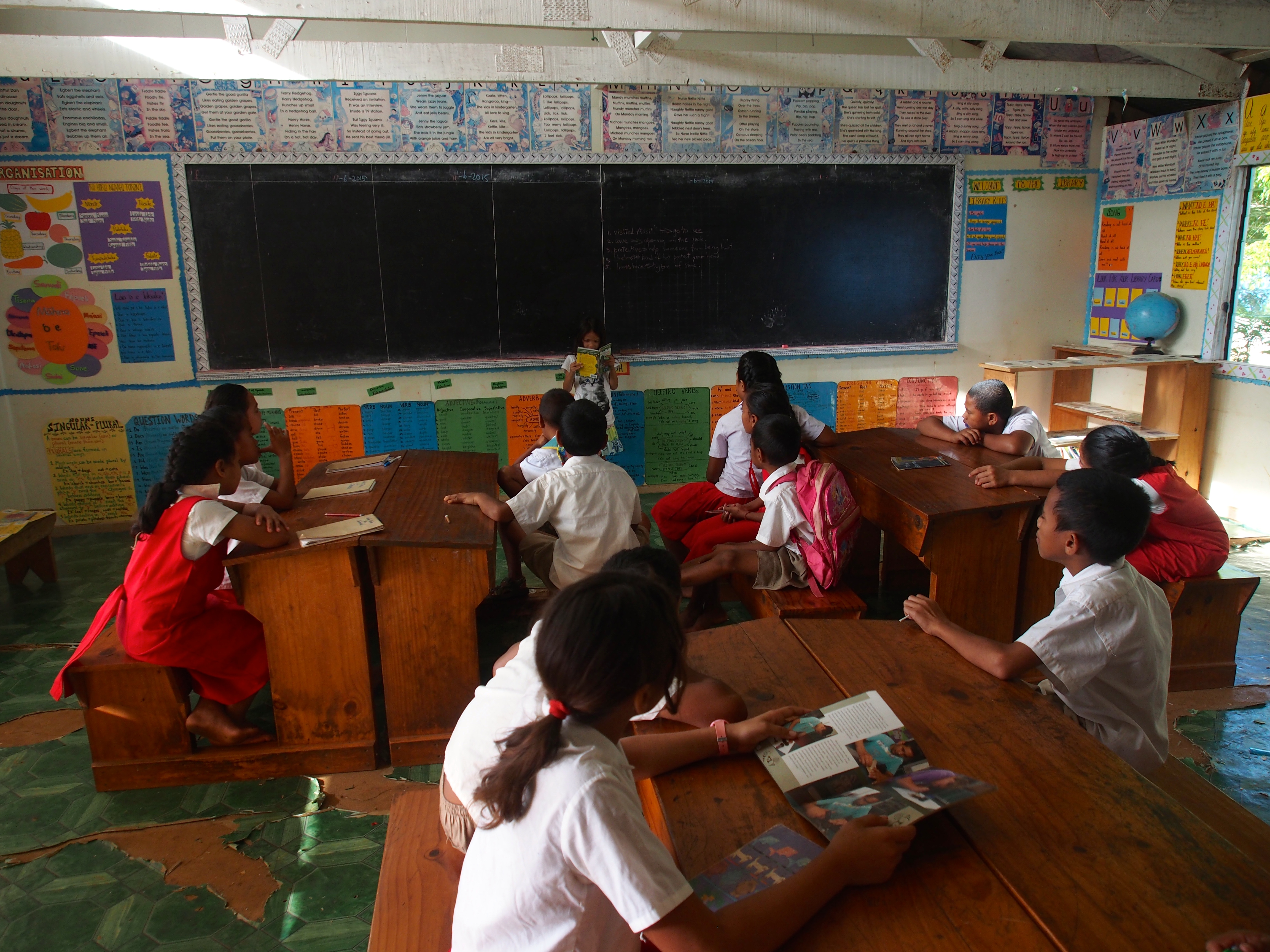
It was Karen’s birthday, so I made her tea and let her have a relaxing morning while I packed a lunch for Jacintha and took her to school. We tied the dinghy to the wharf at 8am and walked a short distance to the school, which sits atop a hill overlooking the bay. Along the way we passed the school principal who was waiting for a boat to take her to town for a meeting. So instead of 2 teachers and 2 classrooms, there would be only 1 teacher with 15 students in a single classroom. Jacintha and the Tongan students lined up outside the building for the morning prayer and announcements, spoken in Tongan. The teacher had her infant baby with her and after we entered the school, asked if I would be ok watching the class until 10am. I gladly accepted and began by asking the kids to introduce themselves and tell me their age. They were very shy at first but soon warmed up. They ranged in age from 6 to 11 years old (the older kids lived and attended school in Neiafu during the week, and returned to Matamaka on weekends). We did some math on the blackboard, with the younger kids doing simple addition and the older kids multiplication. I showed them where Seattle was on the globe and asked them how long they thought it took us to sail to Tonga, getting answers from 2 days to 2 weeks! I also asked them questions about Tonga and found the population of Matamaka was about 40 people. I asked them to sing their favorite song, which went “Good morning, good morning, how are you? I’m fine, I’m fine, and hope that you are too”. Next was reading and Jacintha volunteered to read a book in front of the classroom. Then they translated some English words such as “hello, house, boat, pig” to Tongan. Running out of things to do, I asked what game they wanted to play and they decided on hangman. When the teacher returned at 10am, I went back to the boat and left Jacintha with the class. When we returned at noon, the teacher thanked us for the donations of books and art supplies, and then had 3 of the older girls perform a short dance for us. She then announced the school day to be a half-day and asked the kids to line up outside beneath the bell where she distributed a bag full of toys Jacintha had brought for them. The kids were dismissed and we ate our lunch on a bench overlooking the bay. Afterwards we were joined by one of the boys in a game of stickball on the large lawn in front of the school.
Classroom for 5-7 year oldsCurious students figuring out Jacintha’s toyGathering outside before school beginsMorning announcements and prayersJacintha reading to the classClass photoTeacher handing out Jacintha’s toysA game of stickball in front of the school
Tongan Feast
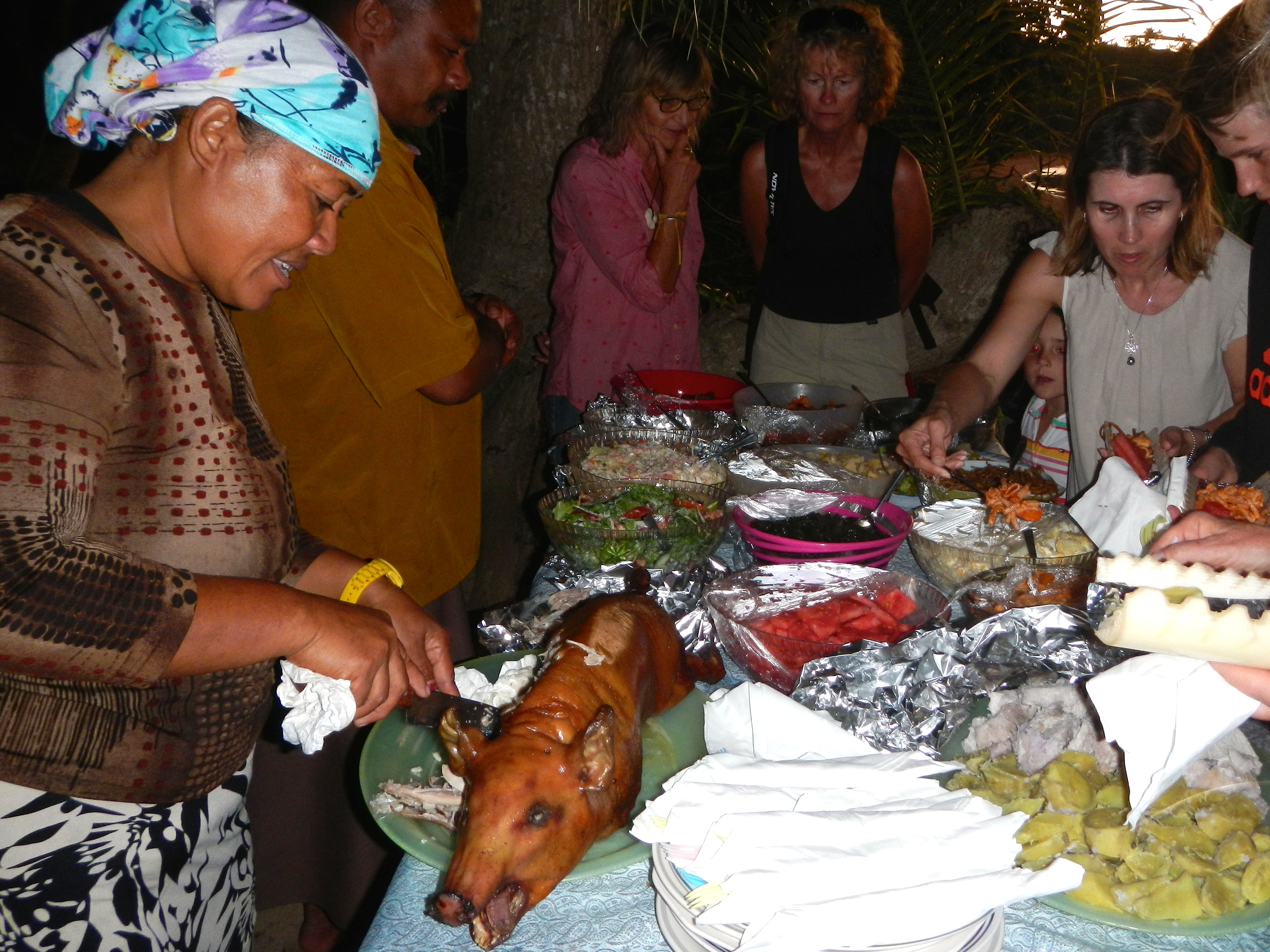
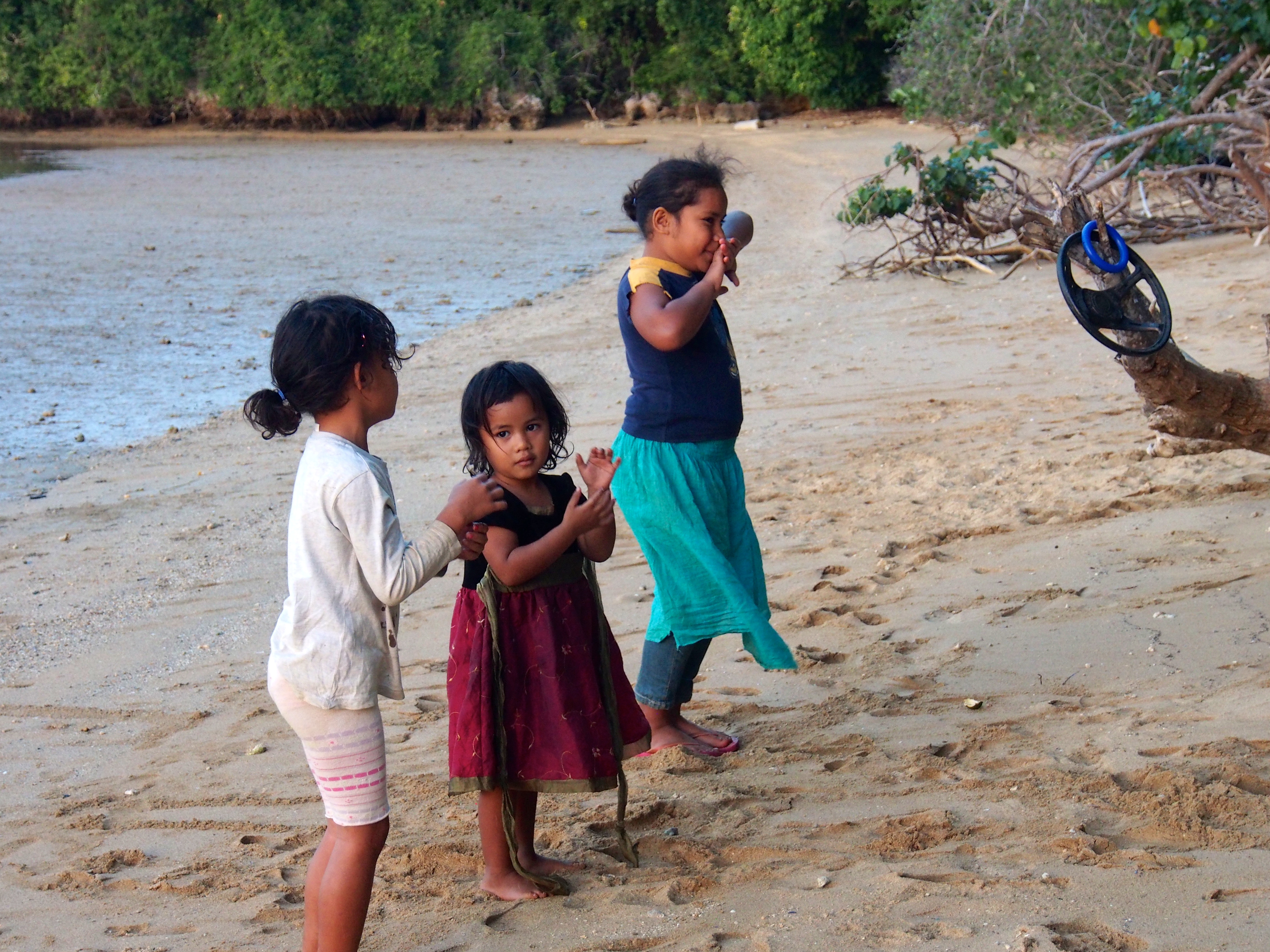
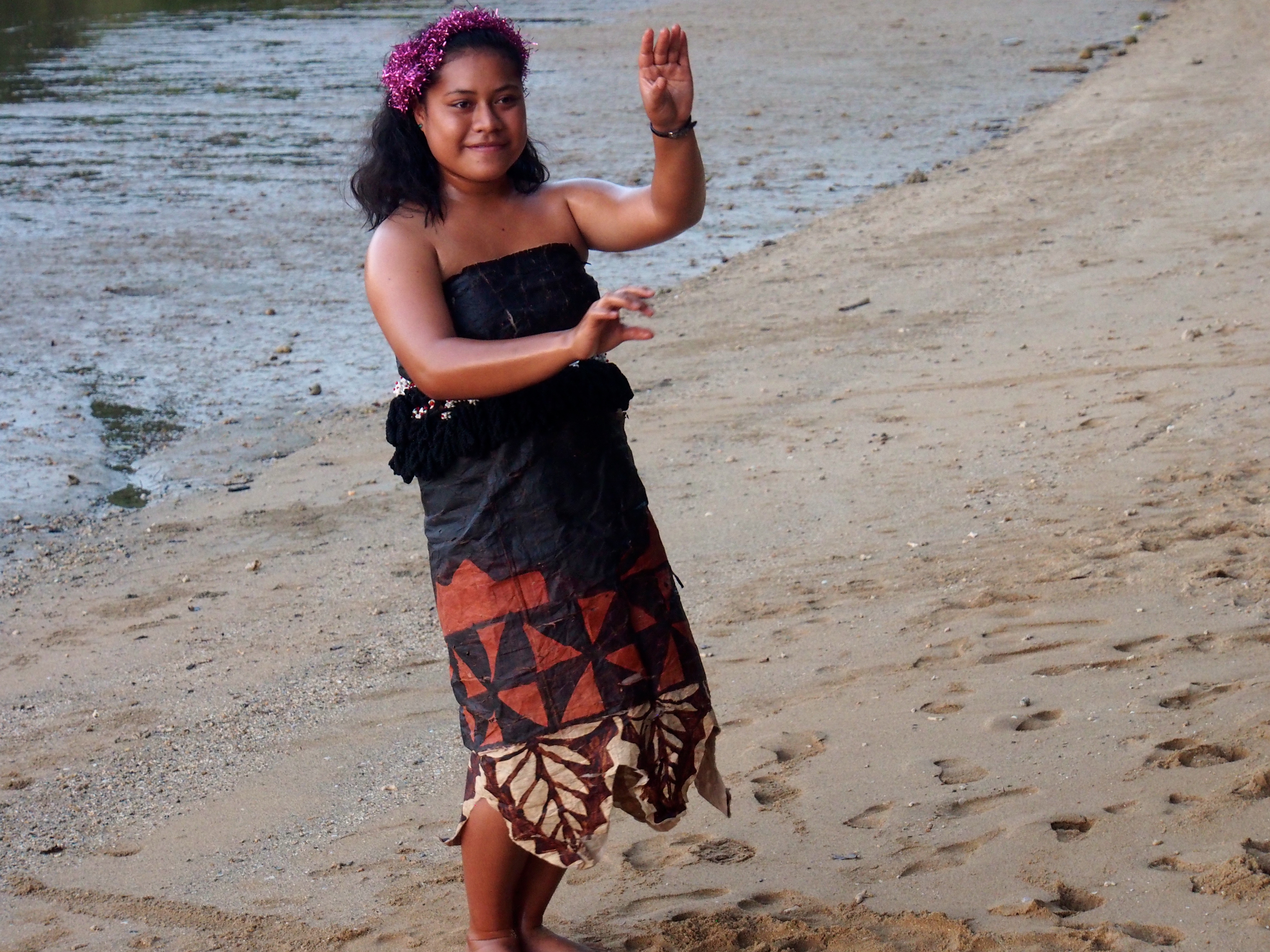
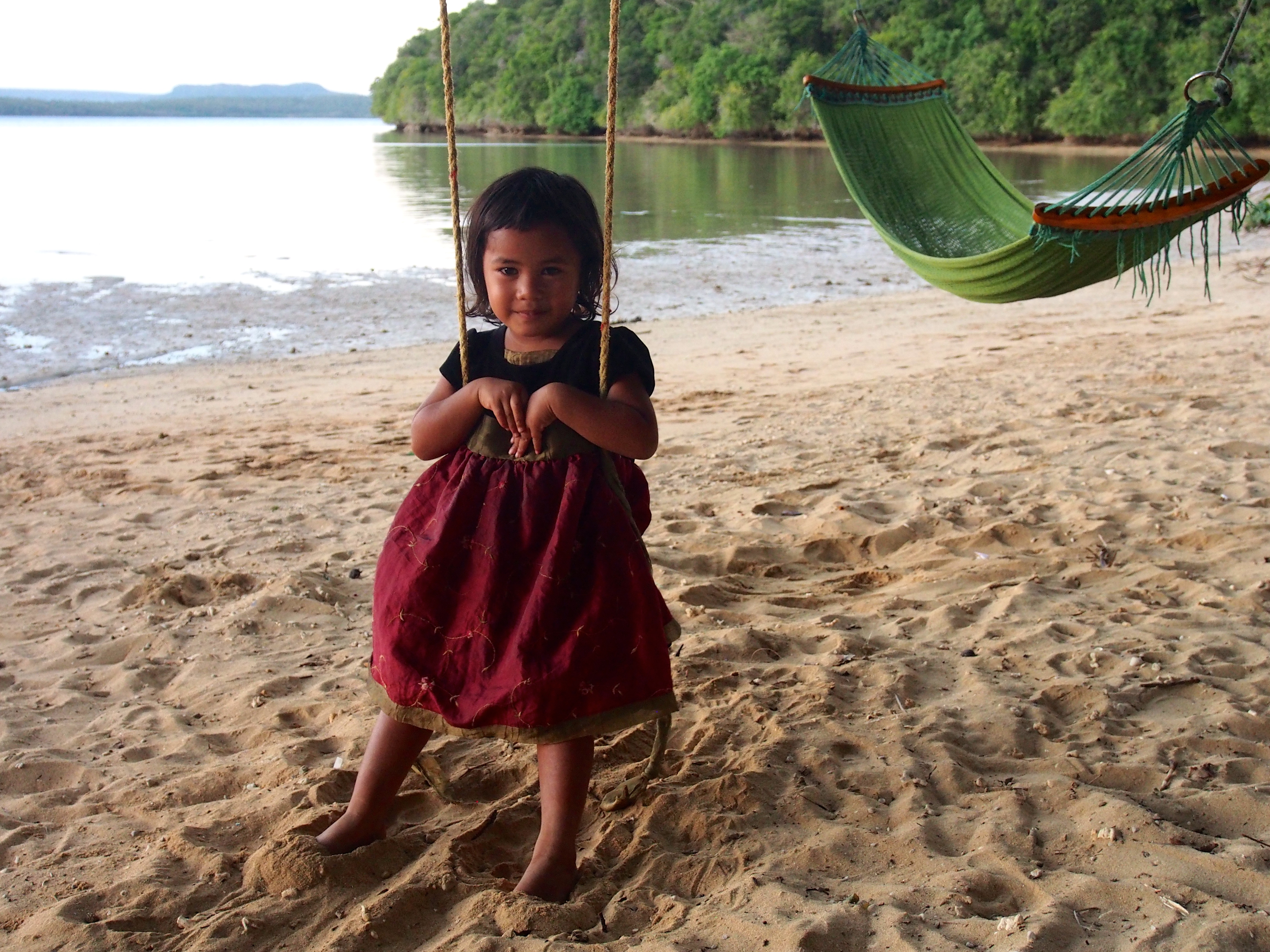
We joined 5 other boats at anchorage #16 (Vaka’Eitu) for a Tongan Feast. A wonderful Tongan family provides the entertainment and food along the beach in front of their house. They cooked a suckling pig on a spit, sweet and sour fish, teriyaki chicken, yams, crab salad, taro leaves, fruit, and more. The hosts, who have 11 children, also provided some entertainment with singing, dancing and guitar playing. Jacintha had fun playing with other boat kids while we ate and talked to other cruisers. It was a beautiful night with a new moon, brilliant stars, and hardly any wind.
Feast!Children from the family who put on the feastDancing by an older daughterYoungest daughterHosts singing and playing guitar
Swallows Cave
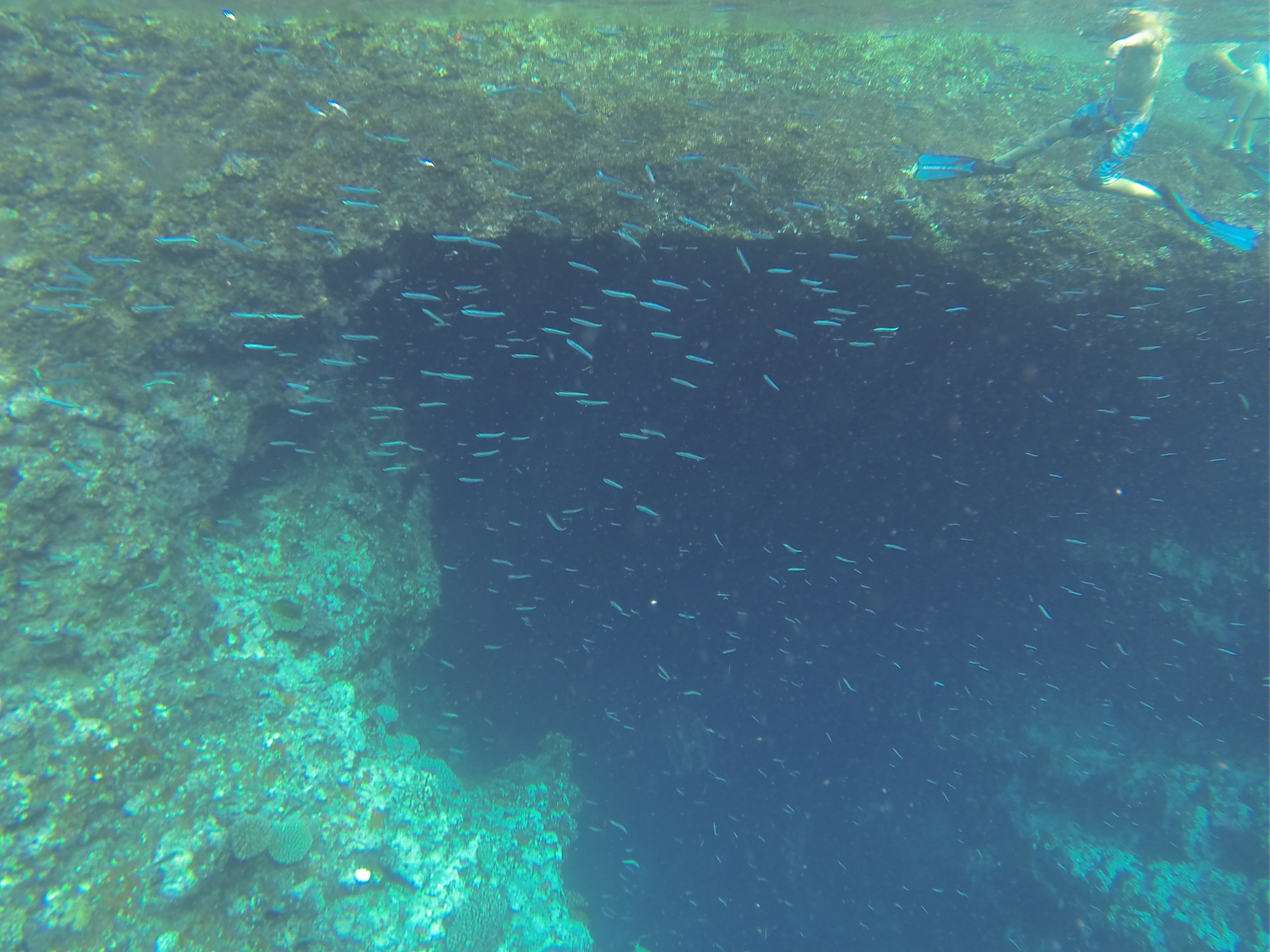
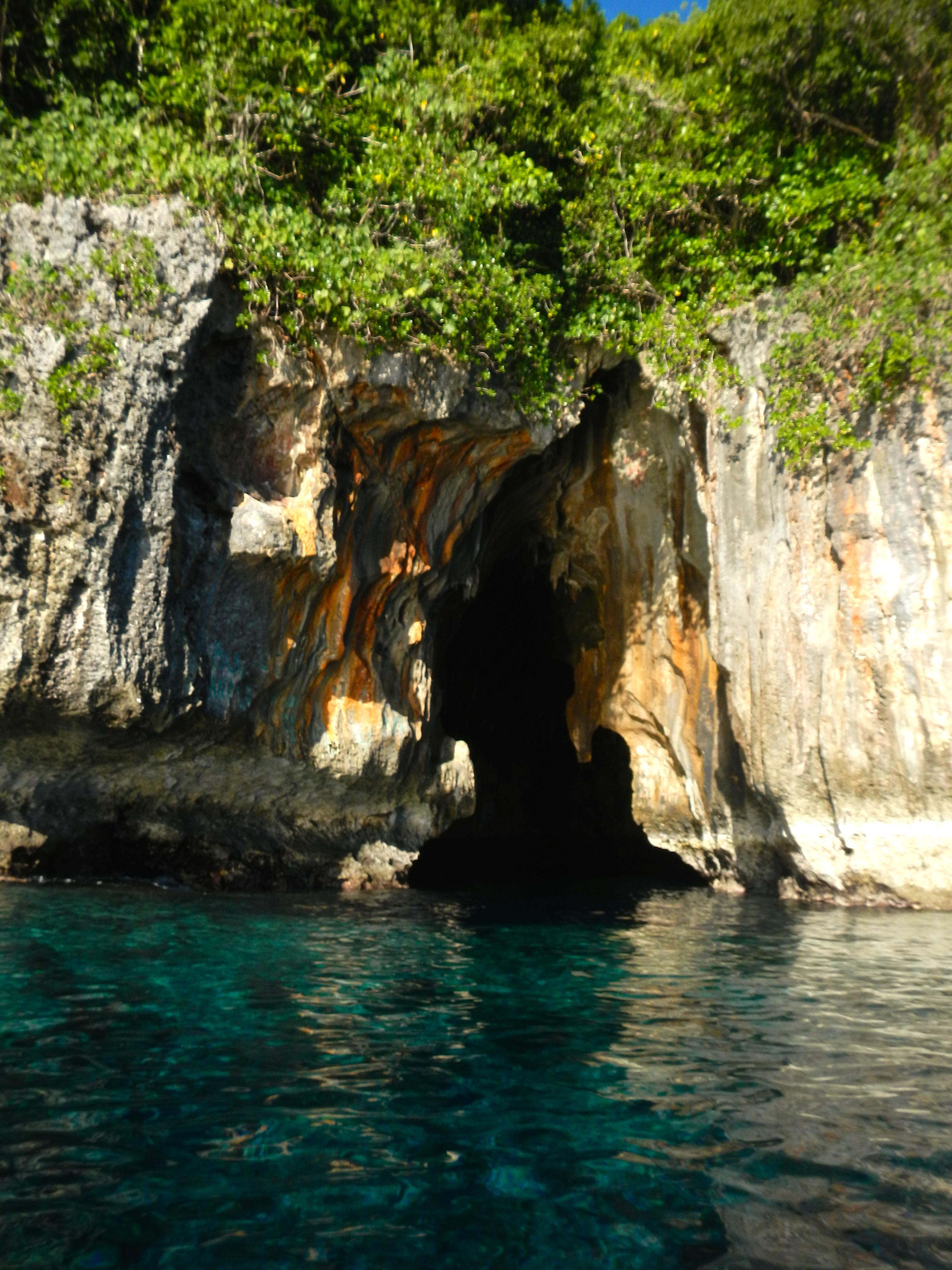
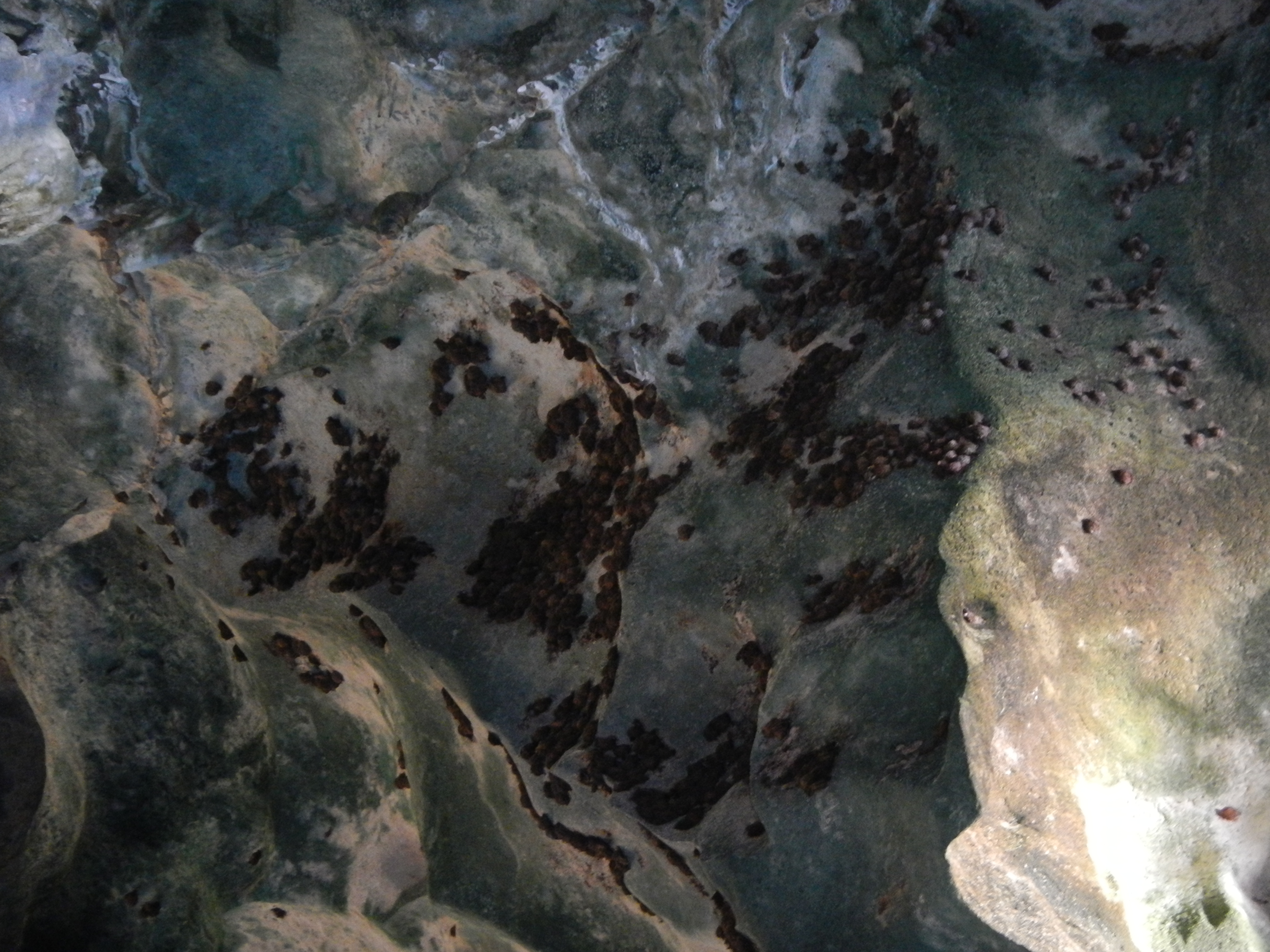
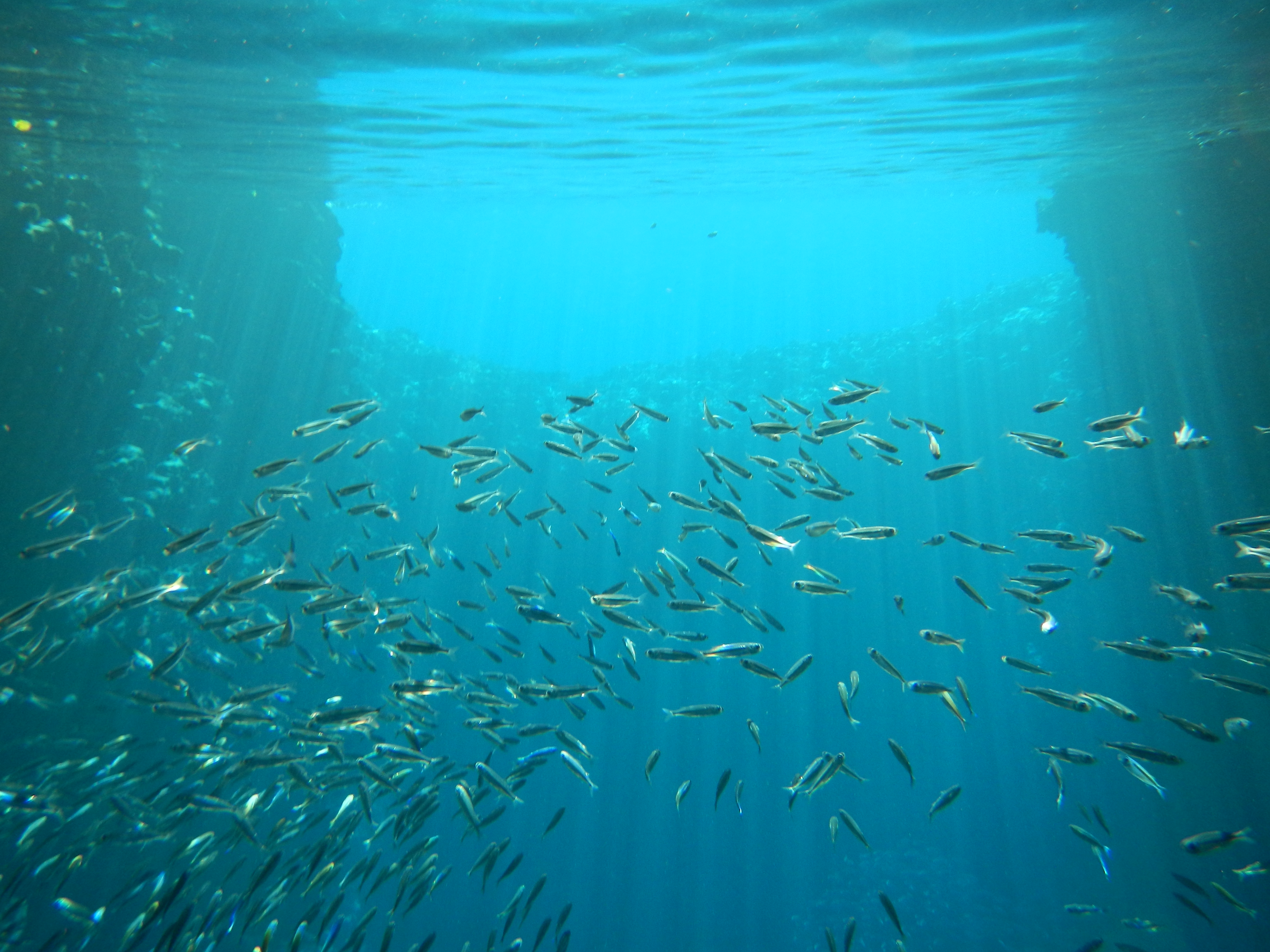
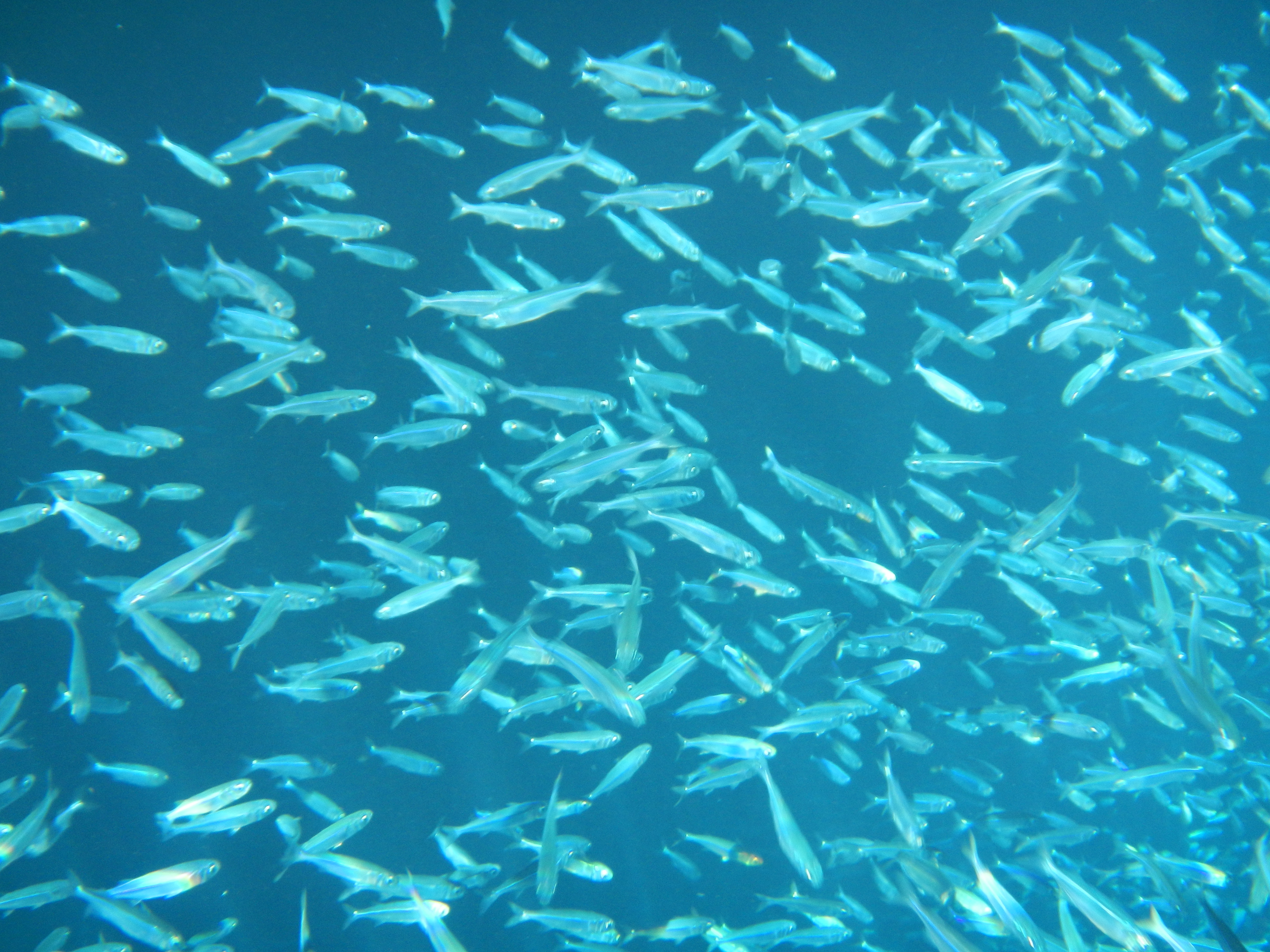
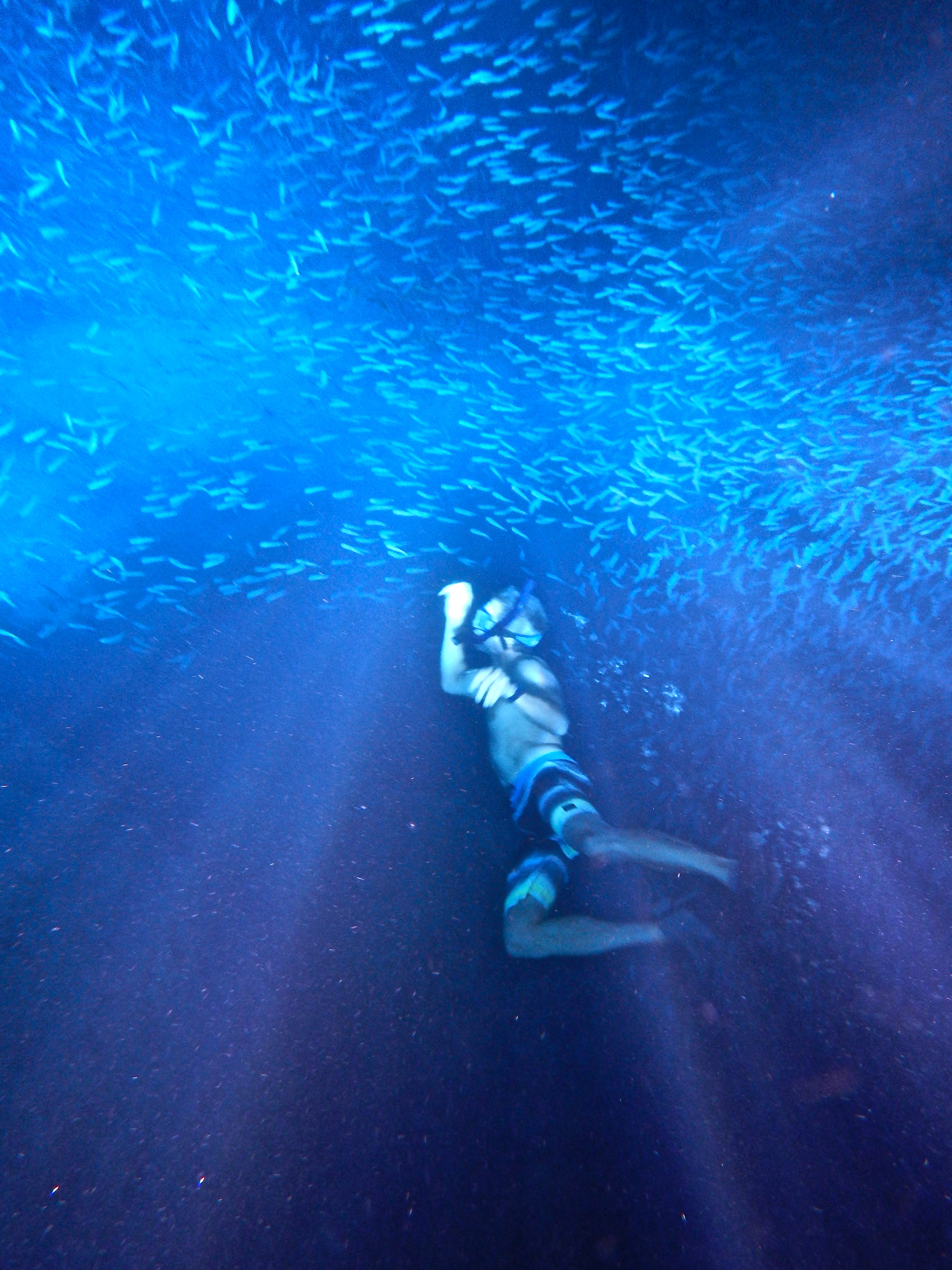
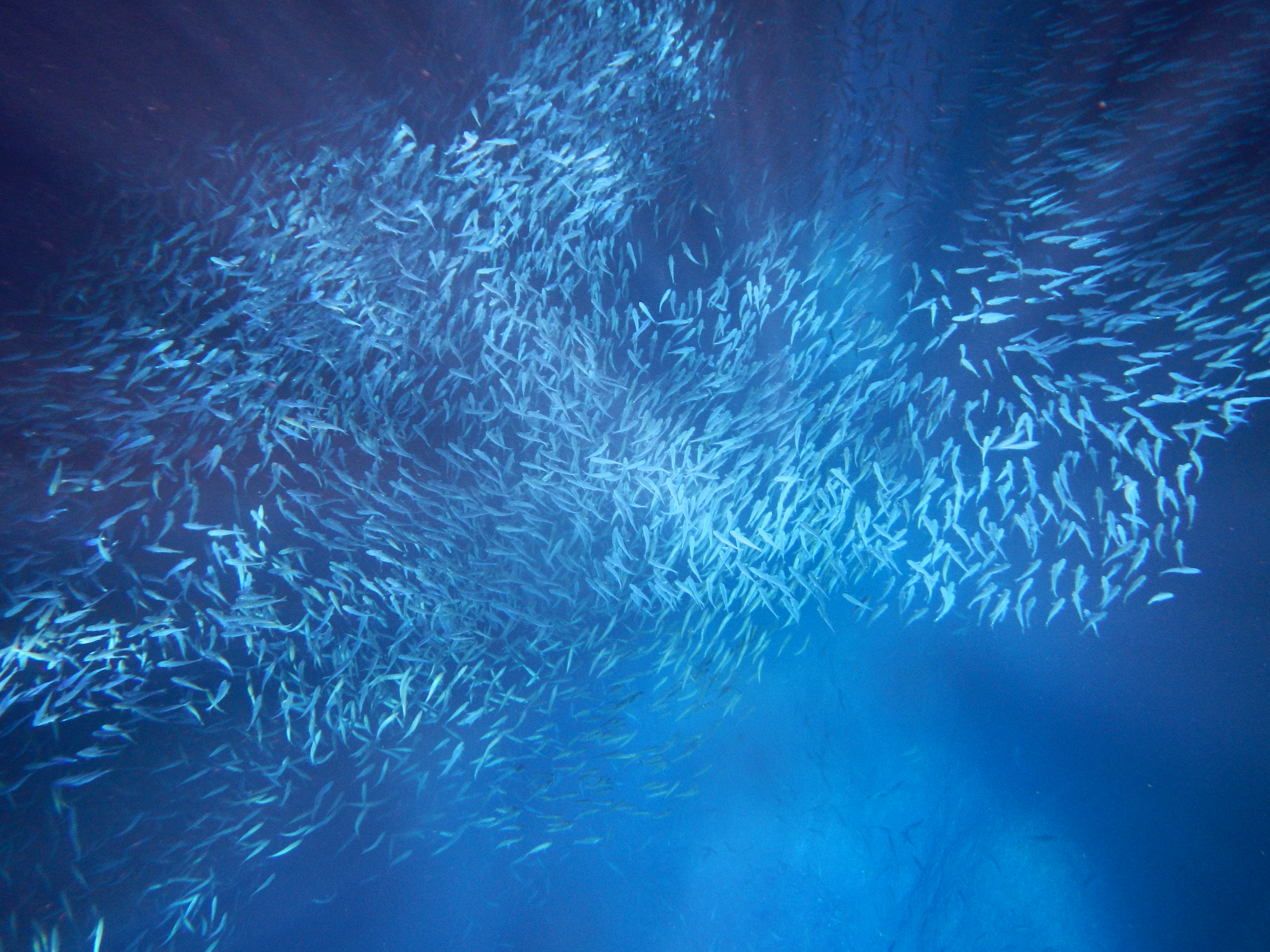
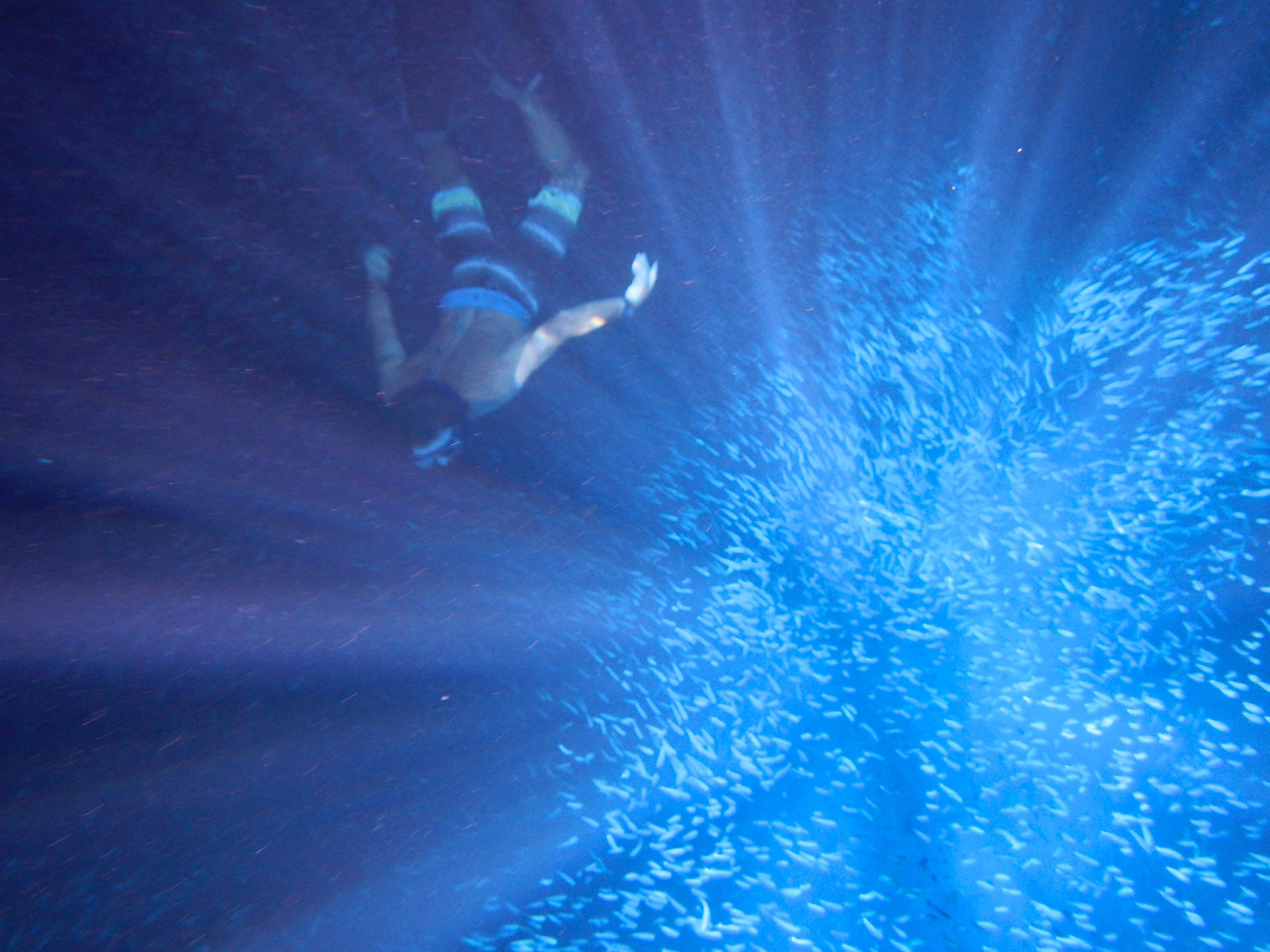
After dropping anchor in Port Maurelle at anchorage #7, we drove our dinghy a mile away to explore Swallows Cave. We heard the best time to go was after 4pm since the cave opening faces west and in the late afternoon the sun shines right into the cave. Arriving at 5:30pm,we found the opening in the coral limestone and drove the dinghy inside. The inside of the cave was amazing—above the water, the ceiling rose to 50’, and below the crystal clear water, the floor dropped to at least 100’. The inside was the size of a small movie theater. With the sun shining into the mouth of the cave, thousands of small silver fish shined in schools a few feet below the surface as well as 50’ down. We put on our mask and fins and snorkeled around for 30 minutes enjoying the underwater scenery. On the cave ceiling were hundreds of swallow nests from which the cave was named after.
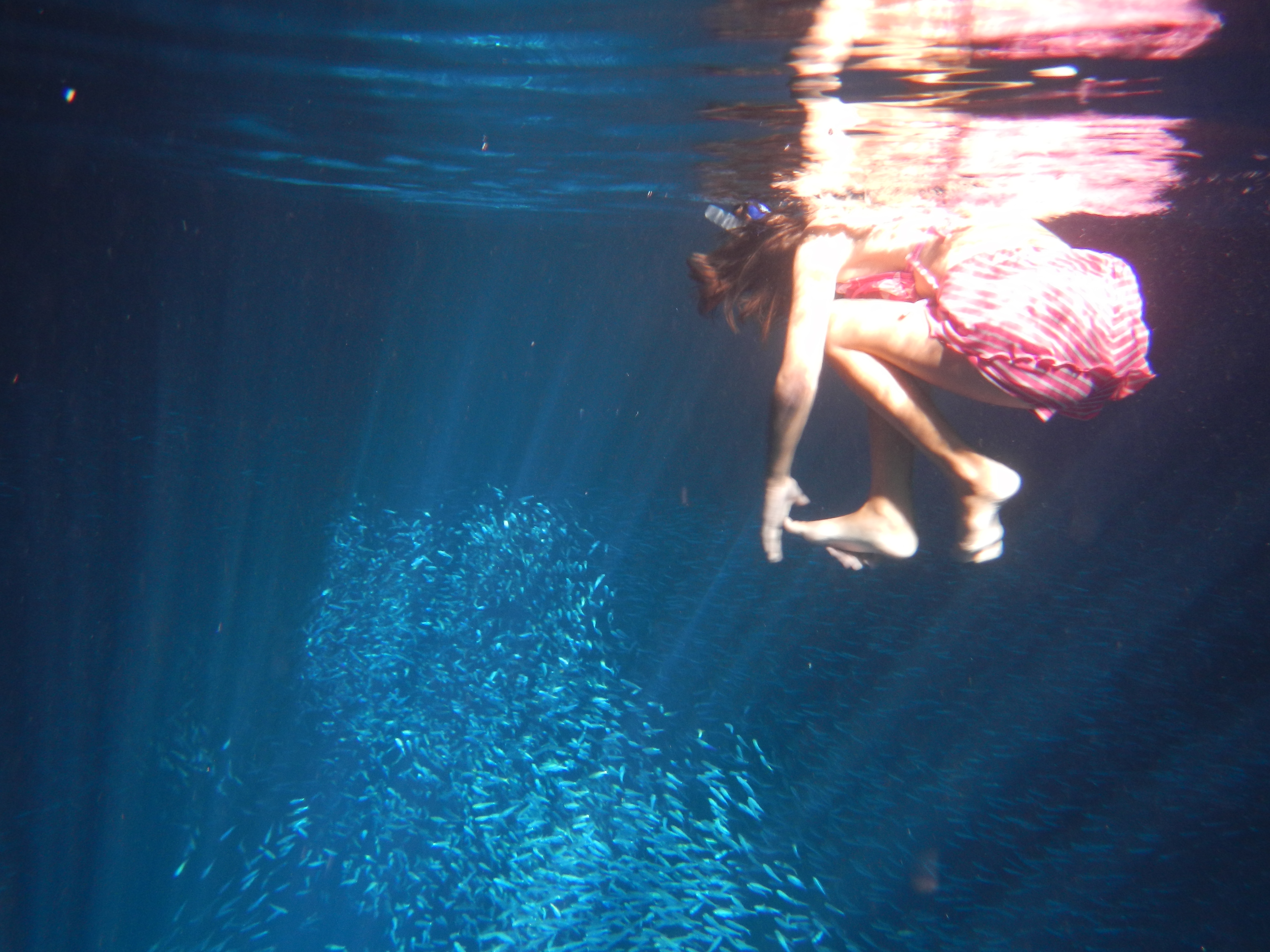
Swallows Cave entranceSwallows nests on ceilingUnderwater shot of fish and cave openingSmall fish inside caveSnorkeling under the fishHuge school of fishSnorkeling inside cave with sun rays shining inJacintha swimming inside Swallows Cave
Jacintha’s Friends
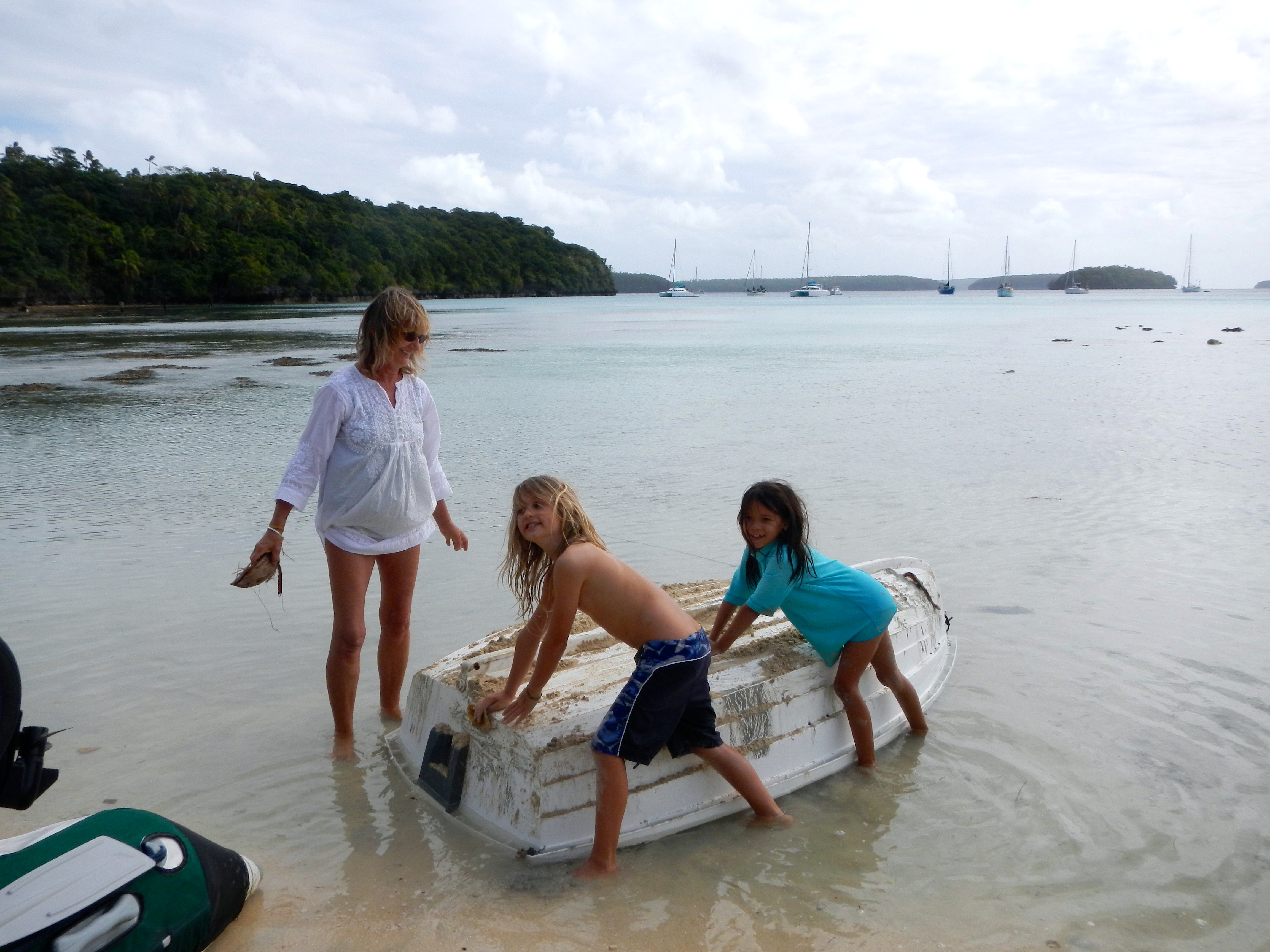
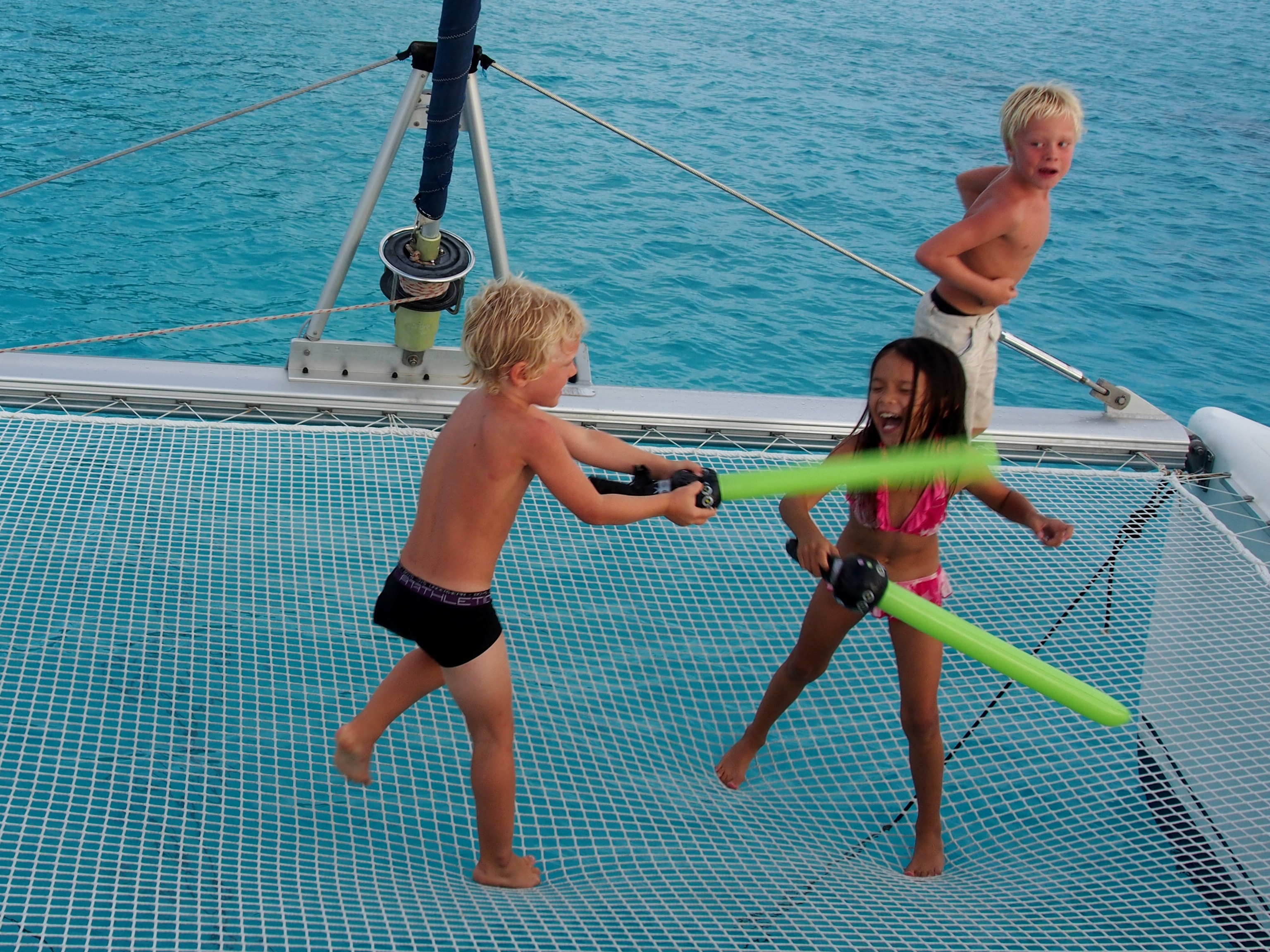
After several weeks of hanging out with just mom and dad, Jacintha has been having a field day meeting up with old and new boat kids. While in Tonga, we reconnected with SV Bob The Cat and their 2 boys, and met new kids from SV Javelot and SV Fannie Fisher. Here are some pictures of Jacintha and her friends. Ivan, shown rowing in the picture below, was a great rower and rowed them all the way to shore and back. We later learned his father was an Olympic rower for NZ, and also rowed across the Atlantic, winning the 2-man race!
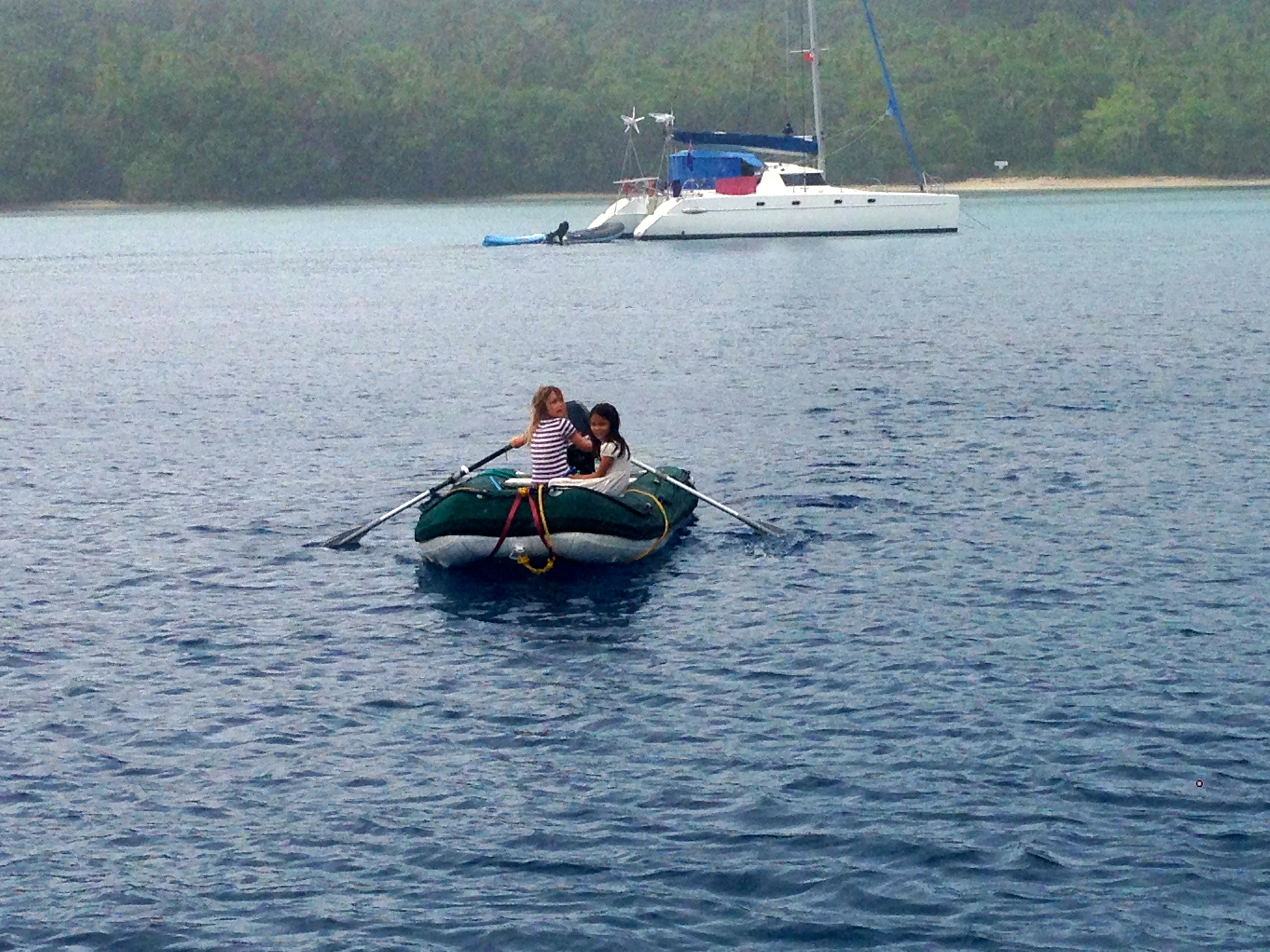
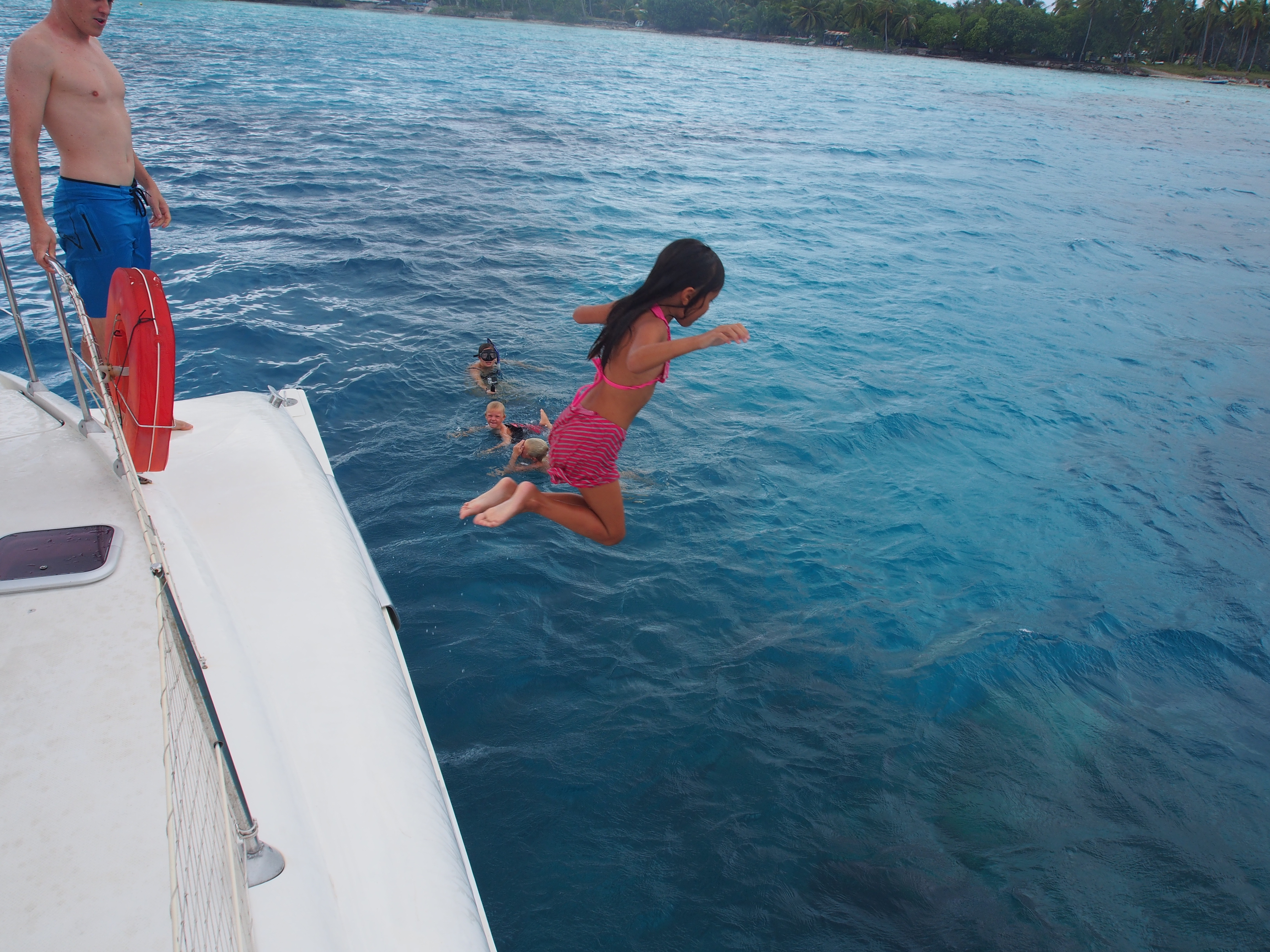
Ivan and Jacintha out for a rowMatthias, Lucas, and Jacintha on Bob The CatJumping off Bob The Cat
Niue is an isolated independent island nation located 600 nautical miles WNW from Rarotonga. Known as “The Rock”, the island is made up of coral limestone and is 12 miles long by 9 miles wide. There is no surrounding reef and the only mooring is on the west side near the village of Alofi.
Upon arrival, we tied to a mooring buoy, then took the dinghy to the wharf to meet customs & immigration, agriculture, and health officials for check in. Since there is no beach landing, dinghies are raised up 10 feet onto the concrete wharf by a self-operated electric crane. It’s a difficult and scary process when the surf is rough, which it seemed to be every time we hoisted our dinghy. After connecting the crane’s hook to the dinghy lifting bridle, you climb out of the dinghy via a set of stairs to reach the top of the wharf, where the crane controls are located. After raising the dinghy above the wharf, you swing the crane arm around and lower the dinghy onto a flat aluminum dolly, then park the dinghy in an area clear of the crane. Finally, you return the lifting hook back over the water and lower it for the next dinghy to use.
Dinghy Lift at Alofi
After all the formalities of checking in were complete, we walked around Alofi and found the Niue Yacht Club, who rents out the 20 mooring buoys. The yacht club is a very nice place to relax, use wifi, meet other cruisers, and get information. Ira, who volunteers her time at the yacht club, knows everything about the island. She called to make dinner and car reservations for us, and offered suggestions on what to during our short stay on Niue.
Some of the main attractions on Niue are the caves and chasms carved out of the limestone along the rugged coastline. We rented a car and drove around the island perimeter, stopping at 5 sights along the way. This was the first time I drove a car in 10 months, and after almost a year on a sailboat that moves at an average speed of 5 knots, driving at 45 mph seemed very fast (also scary since I was driving a car with the steering wheel on the right, and driving on the opposite side of the road!). We parked the car at the side of the road and hiked down to the coast on paths called sea tracks. At the end of the sea tracks was either a cave, swimming spot, or chasm.
Niue Yacht ClubTeamwork!Our Rental Car
Here’s our 4 favorite stops driving around the island:
Avaiki
Named after a derivative of the word “Hawaike”, the ancestral home of the Polynesians who first came to Niue on canoes, this site was celebrated by those of high-ranking, in gratitude of their safe passage. A short walk down the sea track, we entered a spectacular dripstone cave. After exploring the cave, we exited along the coast to find small pools of clear water among the coral limestone. These pools can only be reached at low tide and were full of juvenile fish and fragile coral.
Palaha Cave
Palaha is one of the the biggest caves on Niue with rare limestone formations formed over hundreds of years. We hiked down the sea track and entered the cave to explore the amazing stalactites and stalagmites formed as water drips through the cave ceiling. We could see different colors in the formations from various minerals, as well as the glassy look of a new stalagmite forming.
Inside Palaha CaveMineral Colors in StalagmiteNew Stalagmite FormingInside Palaha Cave
Limu Pools
Limu Pools are near the village of Namukulu. A hike down the sea track ended at the sea where a large sea-water pool is protected by huge rocks. The rock ledges and clear, deep water make this a great place for swimming. Since it was a cool, overcast day, we hadn’t planned on swimming so didn’t bring swim suites…but I couldn’t resist jumping off a cliff into the water wearing my red speedos!
LaunchTuckTouch-DownSplashSurface
Togo Chasm
Located on the rugged windward west coast of Niue, Togo Chasm was the last stop on our island tour. Along the 30-minute drive there, we passed through several small villages with houses that were mostly abandoned from when a large typhoon passed through in 2008. Similar to a lot of other pacific islands, Niue suffers from a population decline as the natives seek opportunities elsewhere (like the Cook Islanders, Niueans enjoy dual citizenship with New Zealand). A half hour hike through a coastal forest opened up to the coastline with sharp pinnacles and sink holes. A crude cement path made it easier to walk though this area and at the end was an amazing chasm. To enter the chasm, we carefully climbed down a steep 40’ ladder, which was quite scary when looking down from the top. At the bottom was a long sandy strip of flat land surrounded on all sides by vertical rock walls. A few palm trees managed to grow inside the chasm. We climbed through a small opening in the rocks that led to the sea, where we sat and watched the waves force sea water into and out of the opening. Togo Chasm was an amazing place!
Path Through Pinnacles and Sink HolesSteep Ladder to ChasmCarefully Climbing Down LadderChasm FloorTogo ChasmOpening in Chasm to the Sea
The entire tour took us about half a day. Afterwards, we showered at the bathroom facilities on the wharf, then rewarded ourselves with a nice sushi dinner at Kaika Japanese restaurant, where we had a 6:30pm reservation. The food was absolutely superb—miso soup, fresh seared toro (tuna belly) served 3 different ways, chefs-choice rolls of wahoo, tuna, and mahi mahi, and soba noodles.
Kaika Japanese Restaurant
Although our stay on Niue was only 3 days, we were very glad we stopped. The laid-back lifestyle and friendliness of the Niueans was similar to that in some of the other south pacific islands. We also met some cruisers from Australia who we would end up buddy-boating with to Tonga. Dan and Sara on SV Brahminy bought their boat in the Caribbean and are sailing it to northern Australia. We bumped into Richard and Geri on SV Panthera who are from England and are also on their way to Australia (we met them in Mexico and saw them again in Bora Bora). So on Saturday, we joined both of these boats in up-anchoring for the 2-day sail to Tonga, keeping in touch along the way via VHF radio with weather reports and whale sightings. We even got close enough (within a mile) to take pictures of each others boat during the passage!
We decided to stop at Beveridge Reef, located about 140nm E-SE of Niue. A cruising guidebook refers to this as one of those “out of this world experiences that shouldn’t be missed”. Beverage Reef is an isolated, horseshoe-shaped, completely submerged (at high tide) atoll with lots of coral and marine life inside. The only entrance into the lagoon is a small gap on the west end. Its turquoise-blue interior lagoon has a wide plateau of white sand that rims the inside of the reef, which is about 4 miles long and 2 miles wide. At high tide the surrounding reef is under water and there is nothing to be seen except the breaking waves on the outer reef and a wreck–a small fishing boat stuck in the coral’s unyielding grasp. This is not a good place to stop during heavy weather as the waves break over the reef and makes anchoring inside uncomfortable. The day we approached the reef, the winds were calm and we had to motor, so it just made sense to stop. We arrived at 3pm, crossed the lagoon, then anchored near the east side of the reef in 20′ of crystal clear water. As we crossed the lagoon, the depth never varied much from 30′. We saw grey sharks and a stingray swimming under the boat, and could hear the surf breaking on the reef 500 yards away. Our boat was completely still at low tide and barely rocked even at high tide. We celebrated our arrival with some nice, cold “beveridges”!
Two other boats were here when we arrived, and one stopped by in their dinghy to say hello. About 8 years ago, Ken and Beth on SV Eagle Wings sailed from Chicago through the Great Lakes, down the Atlantic coast, through the Caribbean and the Panama Canal, and across the Pacific download photoshop cs5. They now cruise between New Zealand and the South Pacific http://canadianviagras.com/.
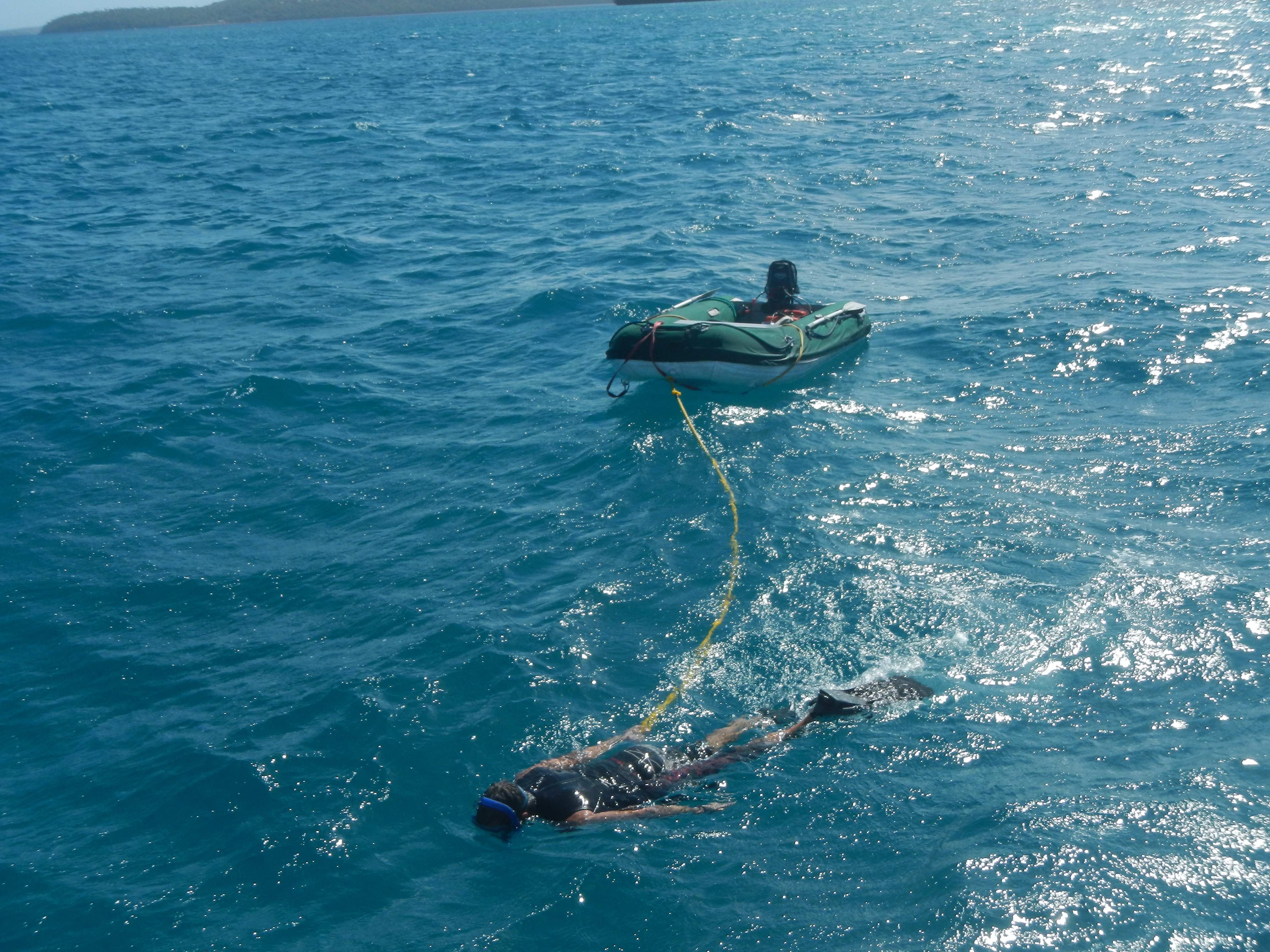
We liked Beveridge Reef so much that we decided to spend another day. After a relaxing morning of reading and drinking coffee, we hopped in the dinghy and explored the wreck on the NE side of the reef. The MV Liberty was a steel fishing boat that has been on the reef for at least 8 years. We tied our dinghy to the stern and Jacintha and I hopped aboard. The wreck sits at an angle with the bow under water and the stern above. After snorkeling around it, it became obvious how it came to its end on the reef–a tangled line can still be seen wrapped around the propeller. I imagine they were fishing to the east of the reef when they fouled the prop, and were unable to free it before crashing. We were told that the captain and all the crew survived. Next we took the dinghy closer to the breaking waves until we were on the reef in 2′ of water. We dropped our dinghy anchor and walked onto the reef. At nearly low tide, we were standing in 6″ of water and about 50′ away huge waves were crashing onto the outer edge of the reef. It was an amazing experience to think we were over a hundred miles from land and were standing on the edge of a reef!
Standing on Beveridge ReefParrot Fish and Sea UrchinApropos Rudder and PropAnchor Chain Dropping Down to a Sand BottomDinghy Ride to the Reef with Apropos BehindWreck of the MV LibertyShipwrecked!Fishing Line Fouled the PropSnorkeling around the Wreck